Thuringian Forest
The Thuringian Forest – A paradise for nature lovers
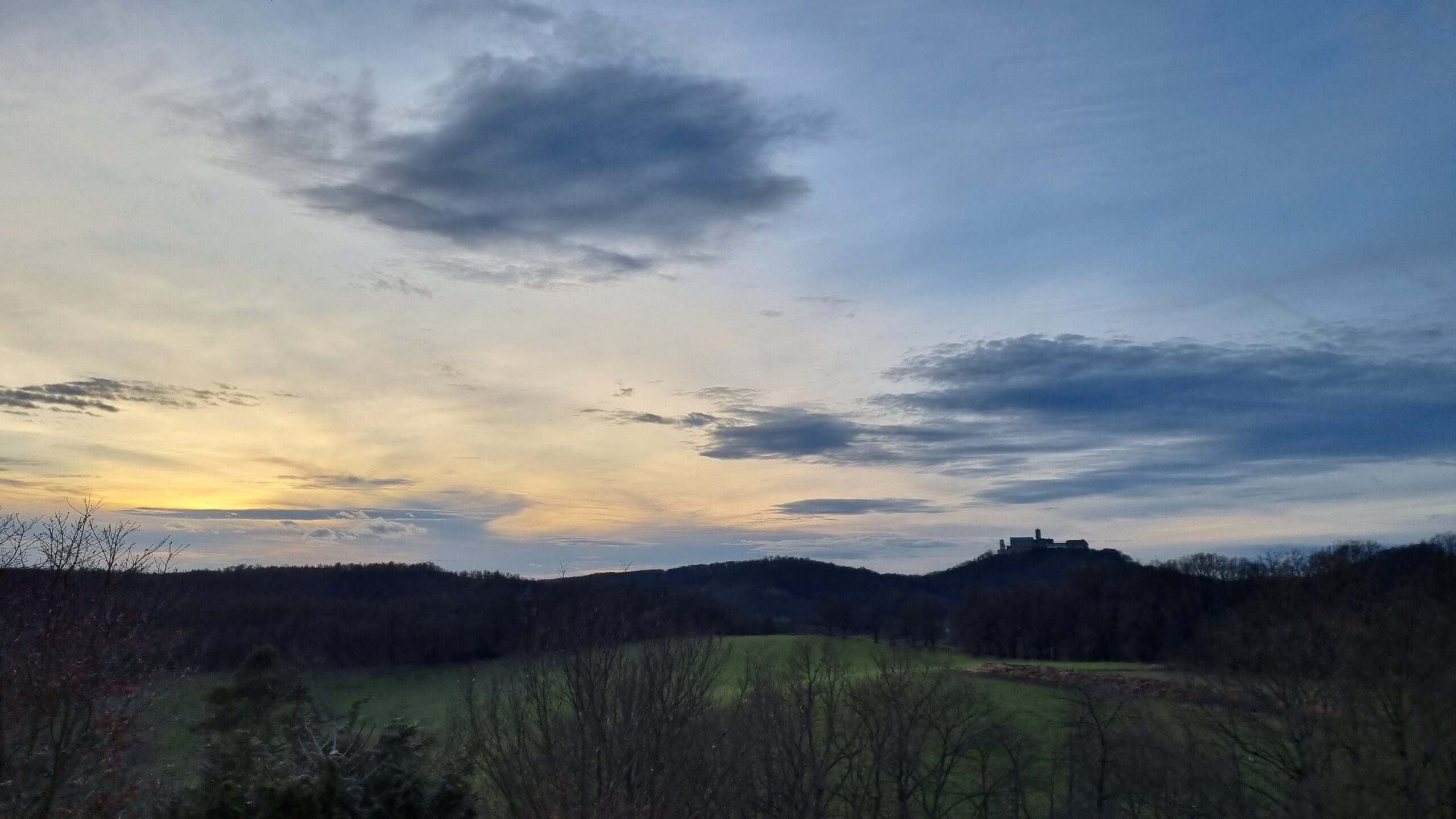
The Thuringian Forest, also called the “Green Heart of Germany,” stretches for a length of about 150 kilometers in Thuringia. This low mountain range impresses with dense forests, picturesque valleys, and idyllic villages. The Rennsteig, a famous high-altitude hiking trail, attracts outdoor enthusiasts from all over the world. In addition to unspoiled nature, the region offers cultural treasures such as the Wartburg near Eisenach and traditional glassblowing craftsmanship. In winter, the Thuringian Forest becomes a paradise for winter sports enthusiasts. Its pristine beauty, paired with warm hospitality, makes it a popular destination for vacationers seeking relaxation and adventure. Here, nature and culture blend together in a unique way.
UNESCO World Heritage Site and a setting of German history
The Dragon Gorge is an intense nature experience
Die Drachenschlucht
Die Drachenschlucht
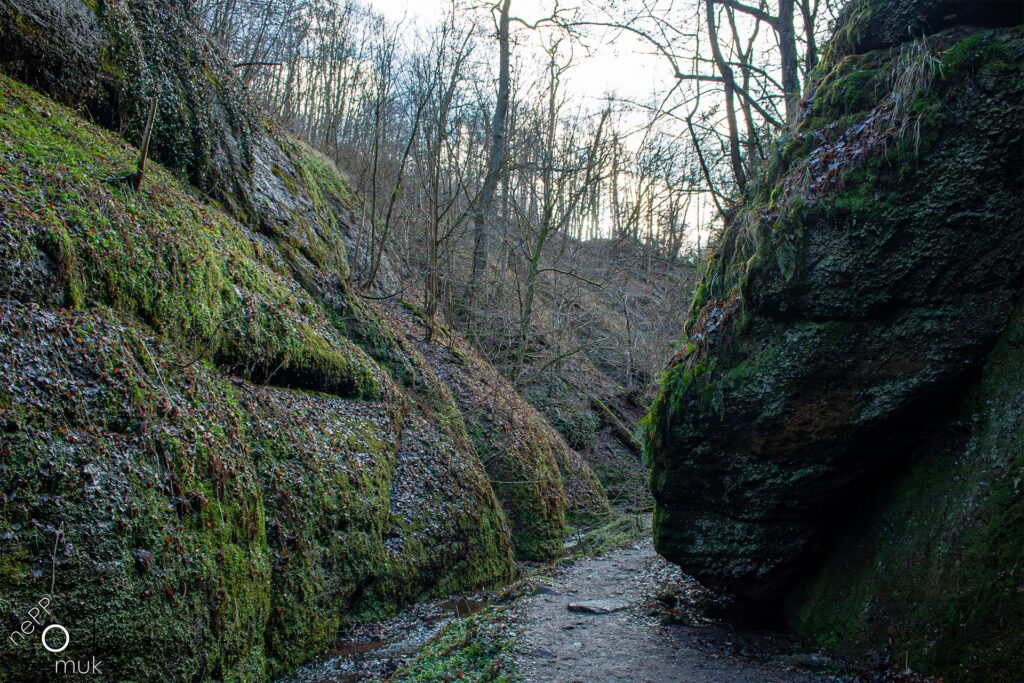
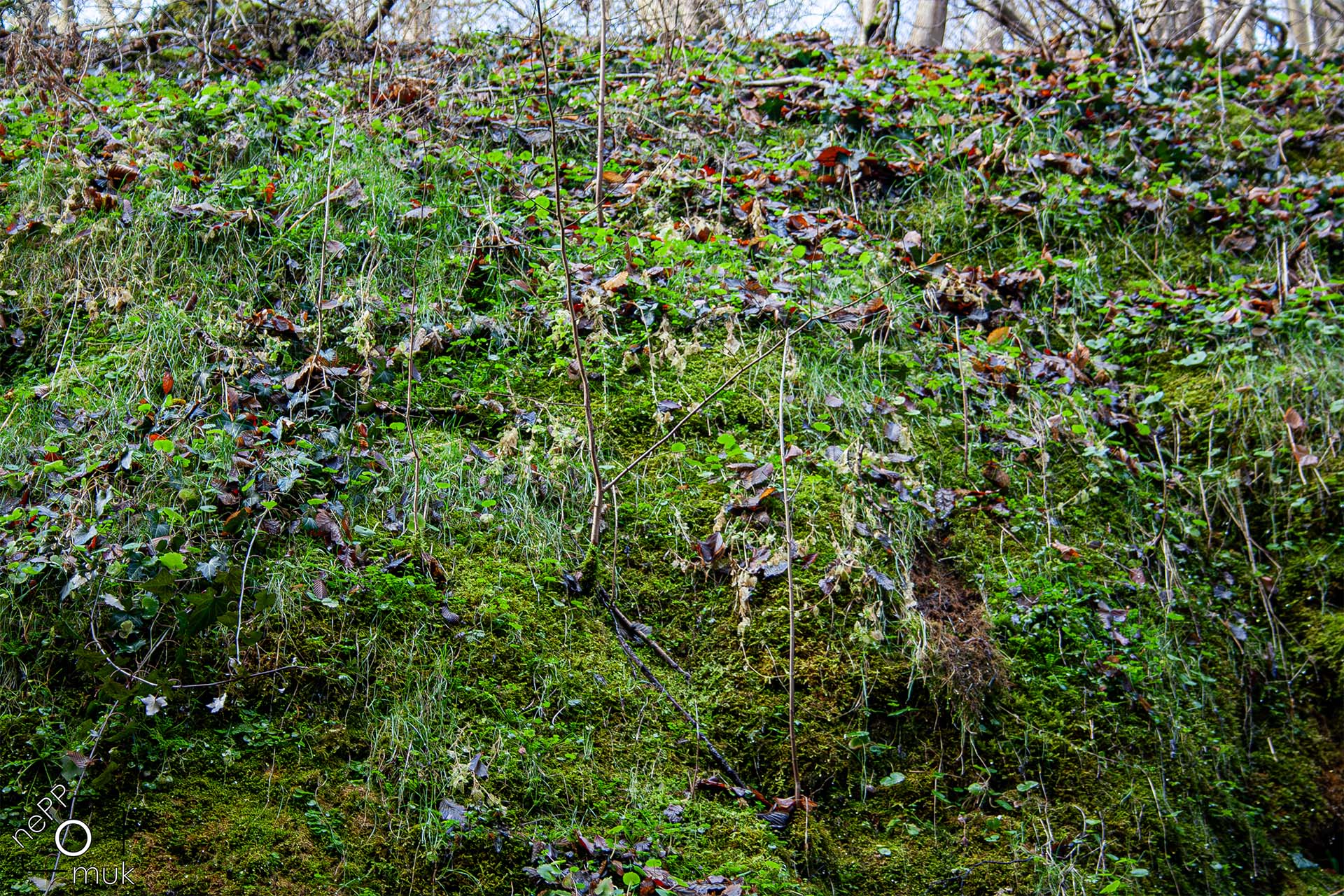
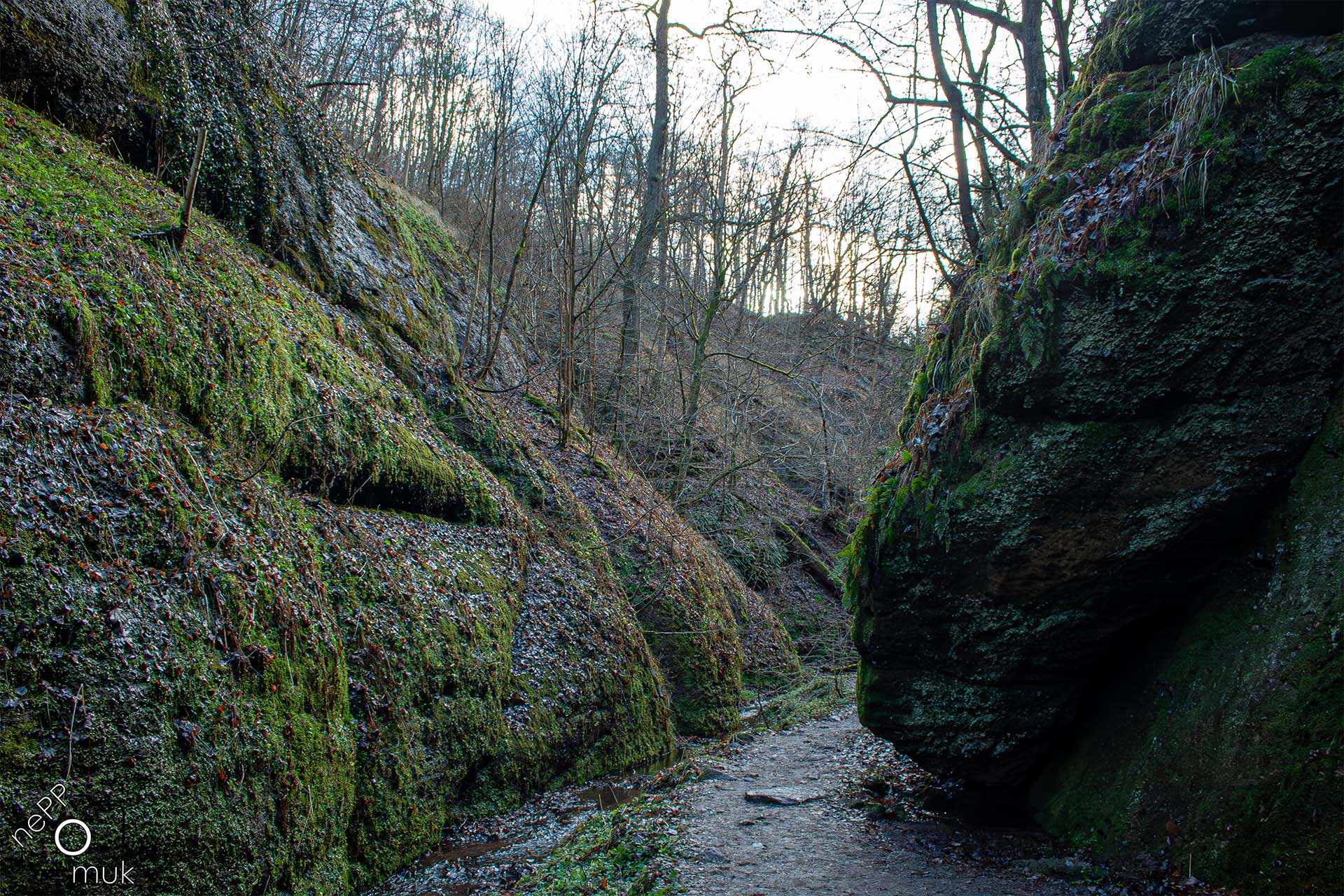
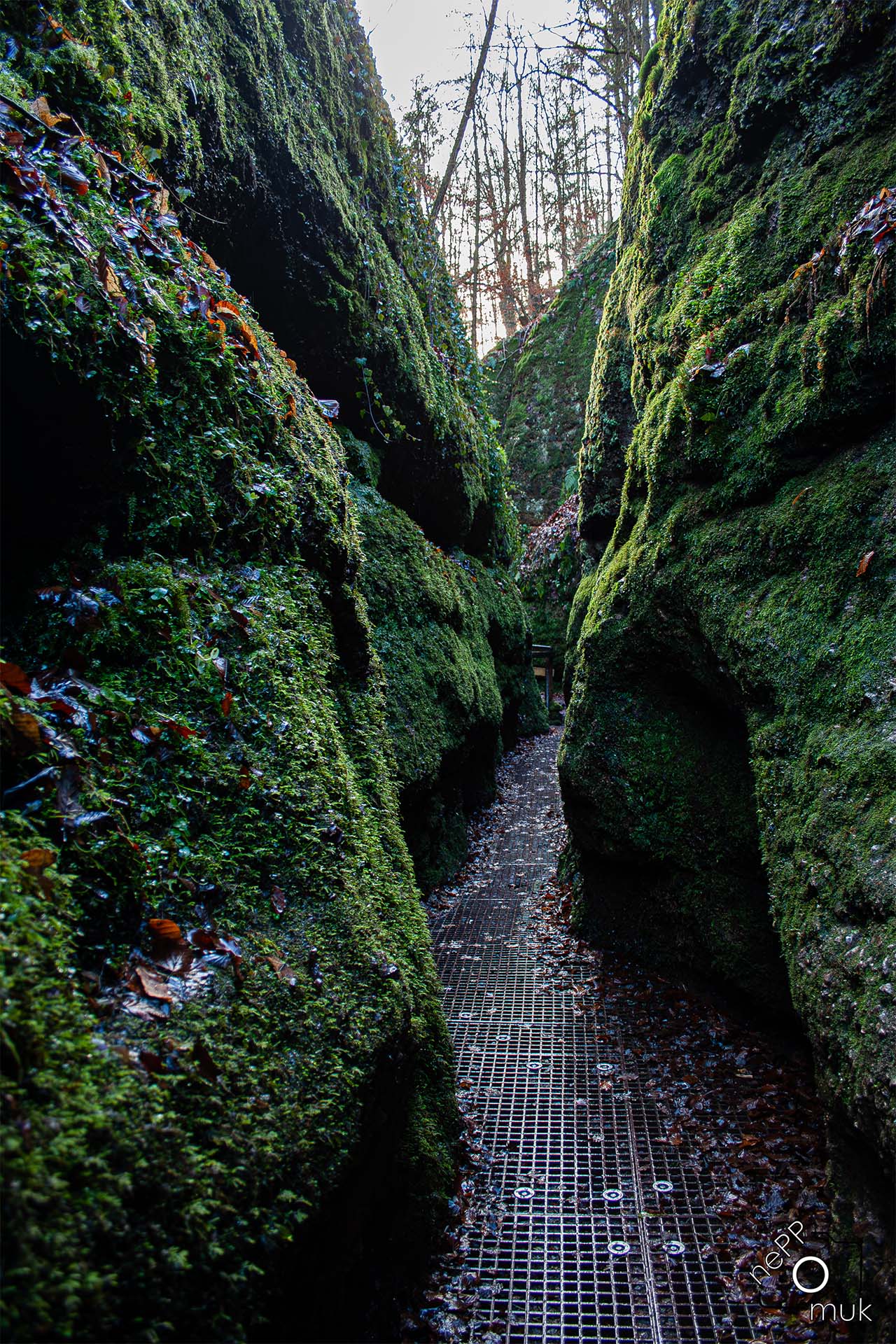
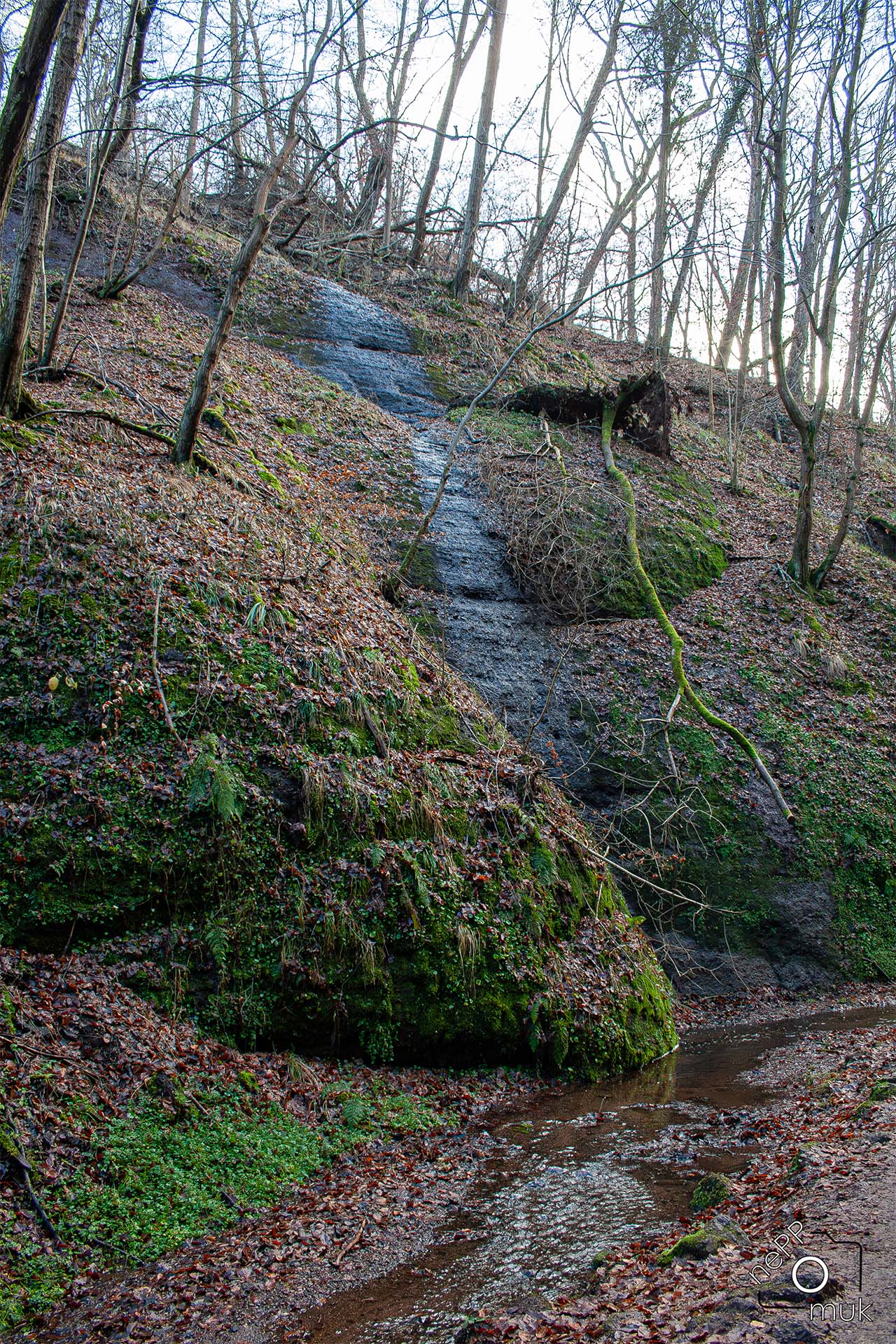
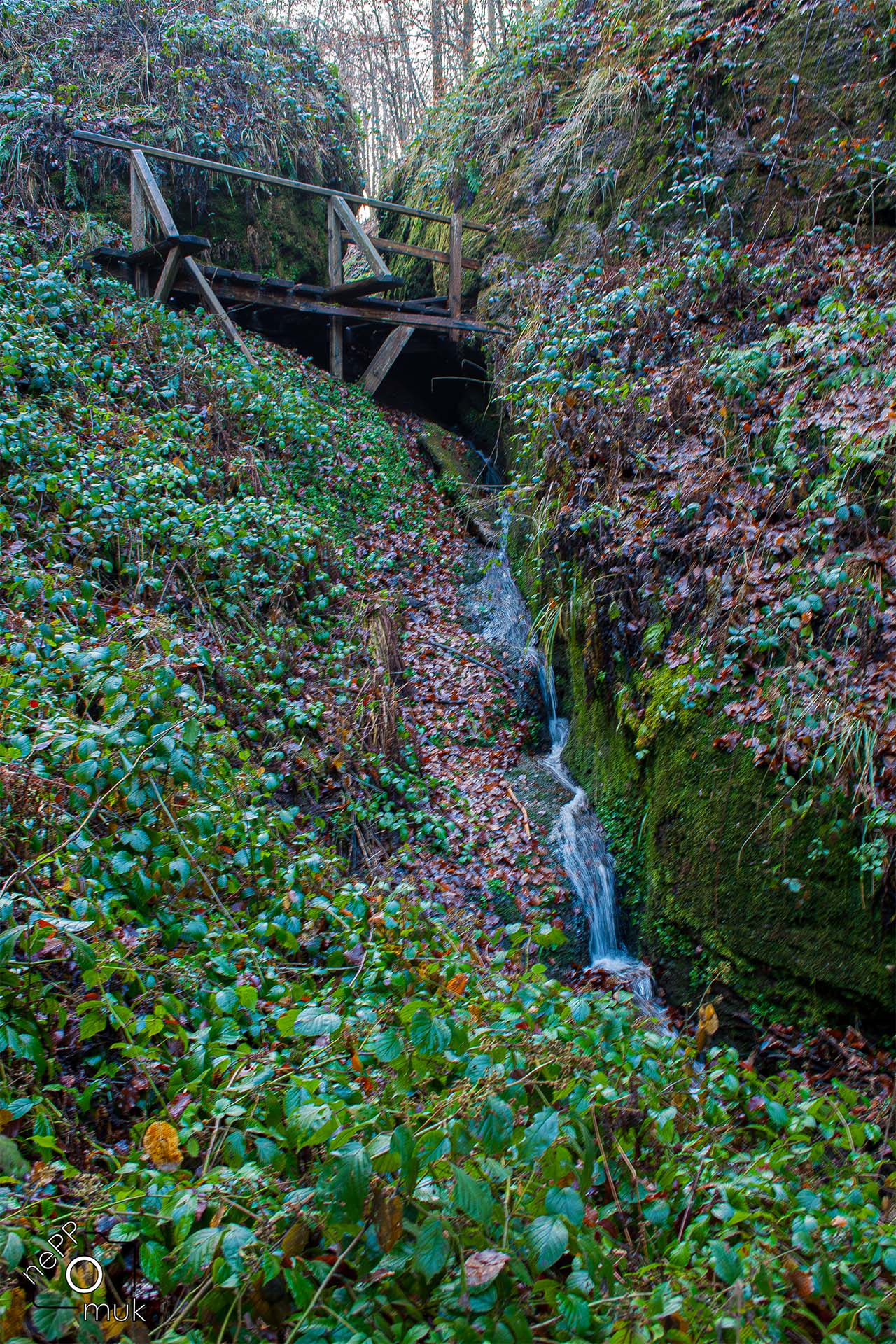
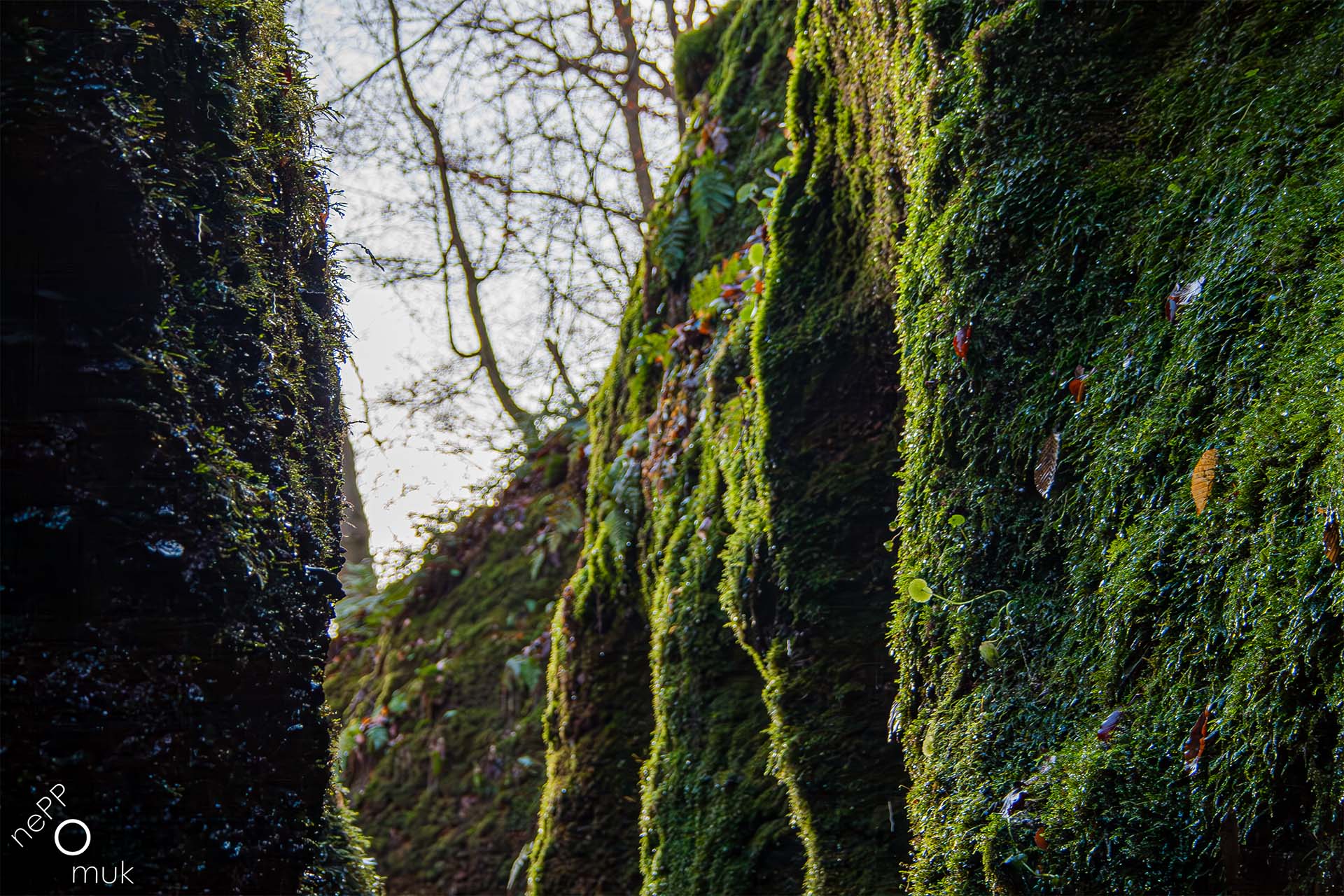
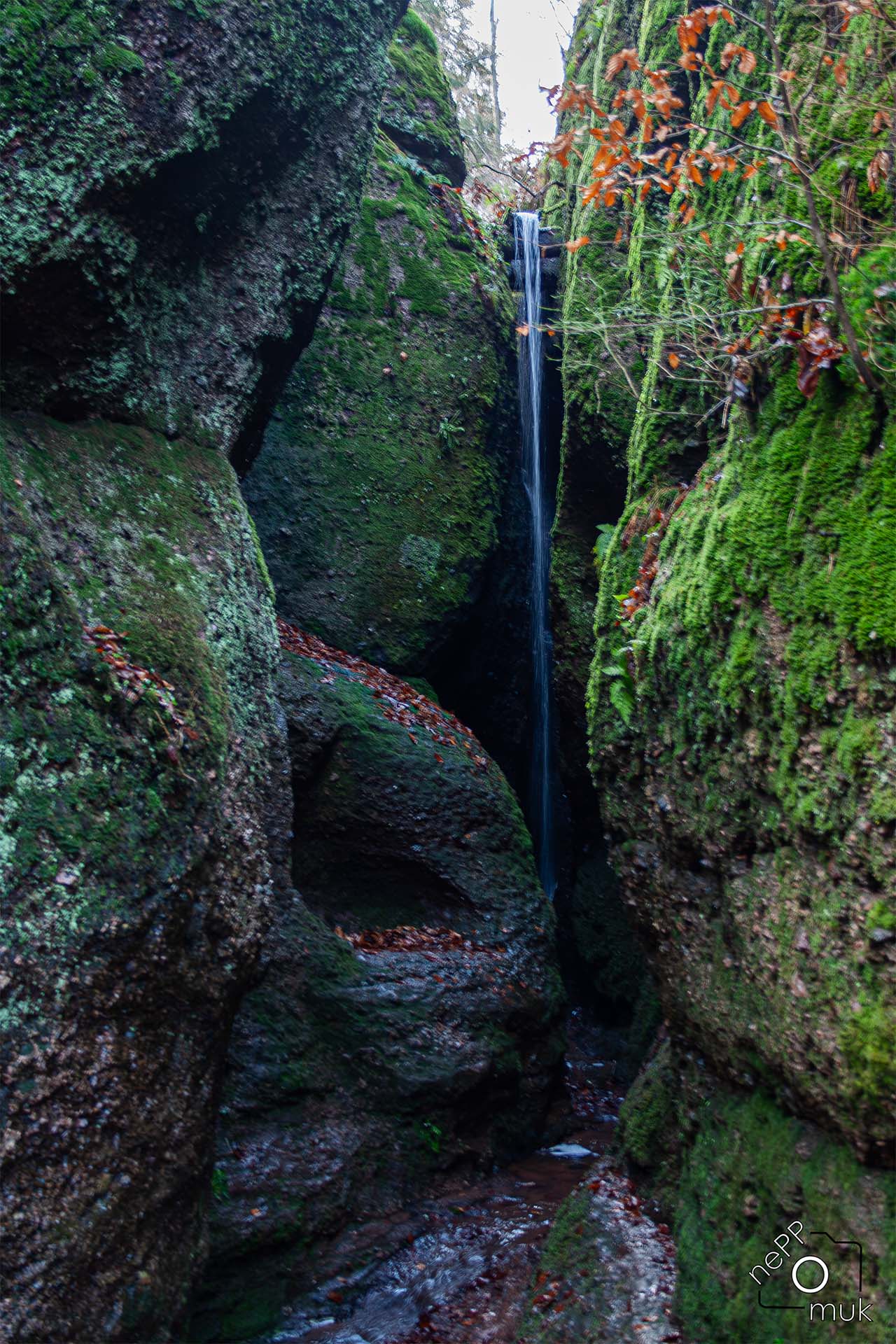
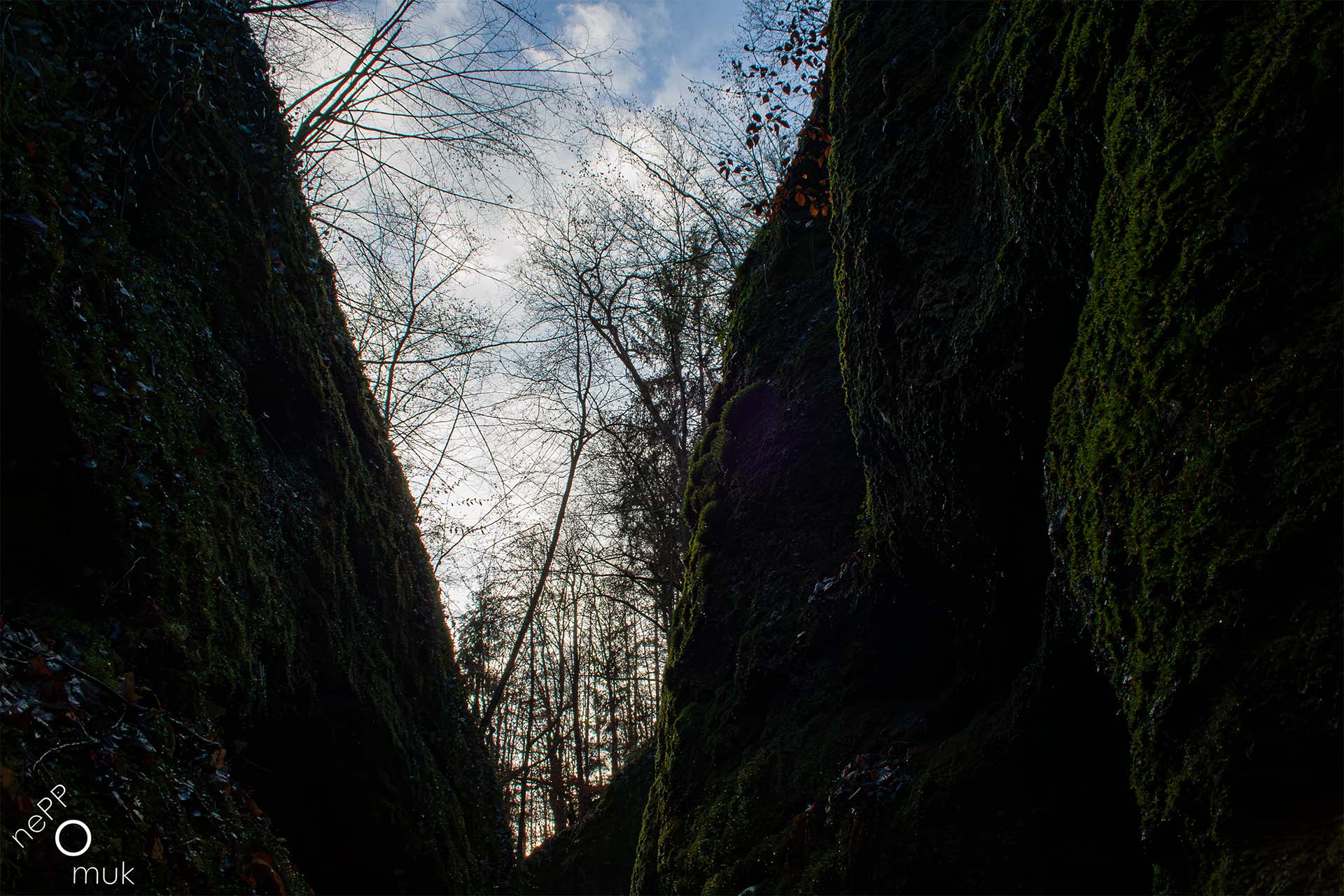
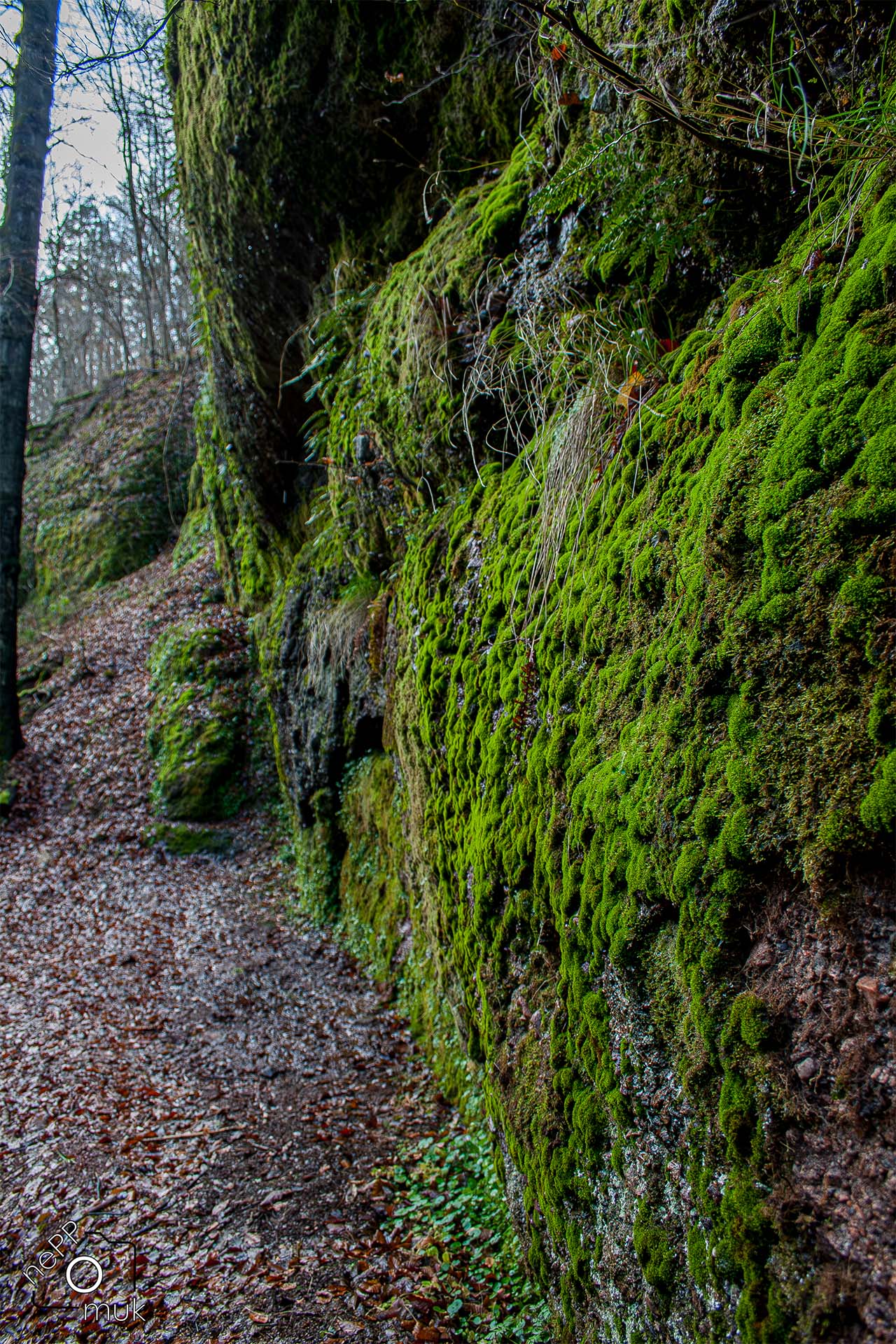
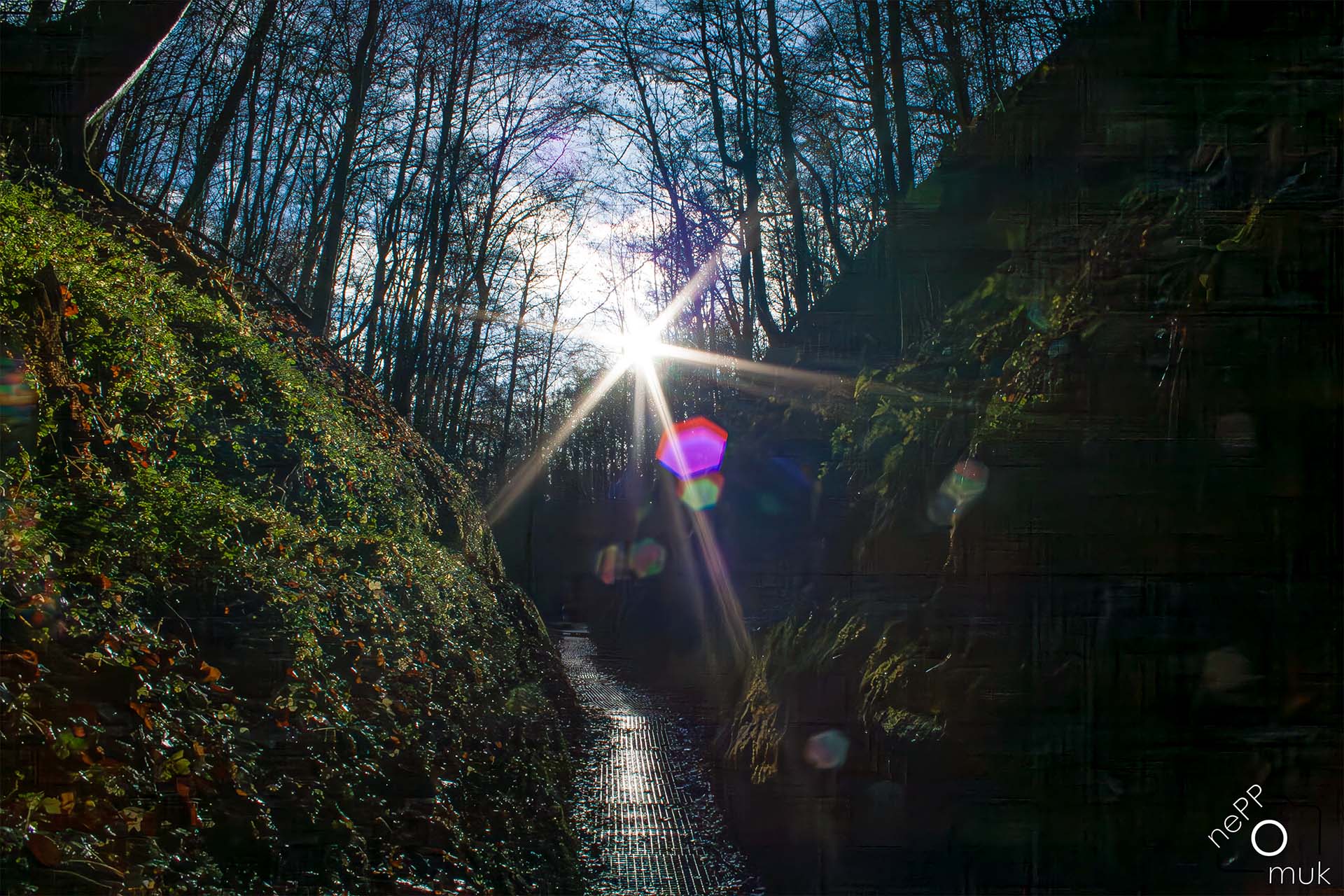
DThe Dragon Gorge, a unique natural monument near Eisenach, is a fascinating destination for hikers and nature lovers. This narrow ravine winds through the Thuringian Forest and impresses with its steep rock walls, which in places are only 68 centimeters apart. The name “Dragon Gorge” comes from a legend according to which a dragon once lived here – today visitors can expect a fairytale adventure.
Read more
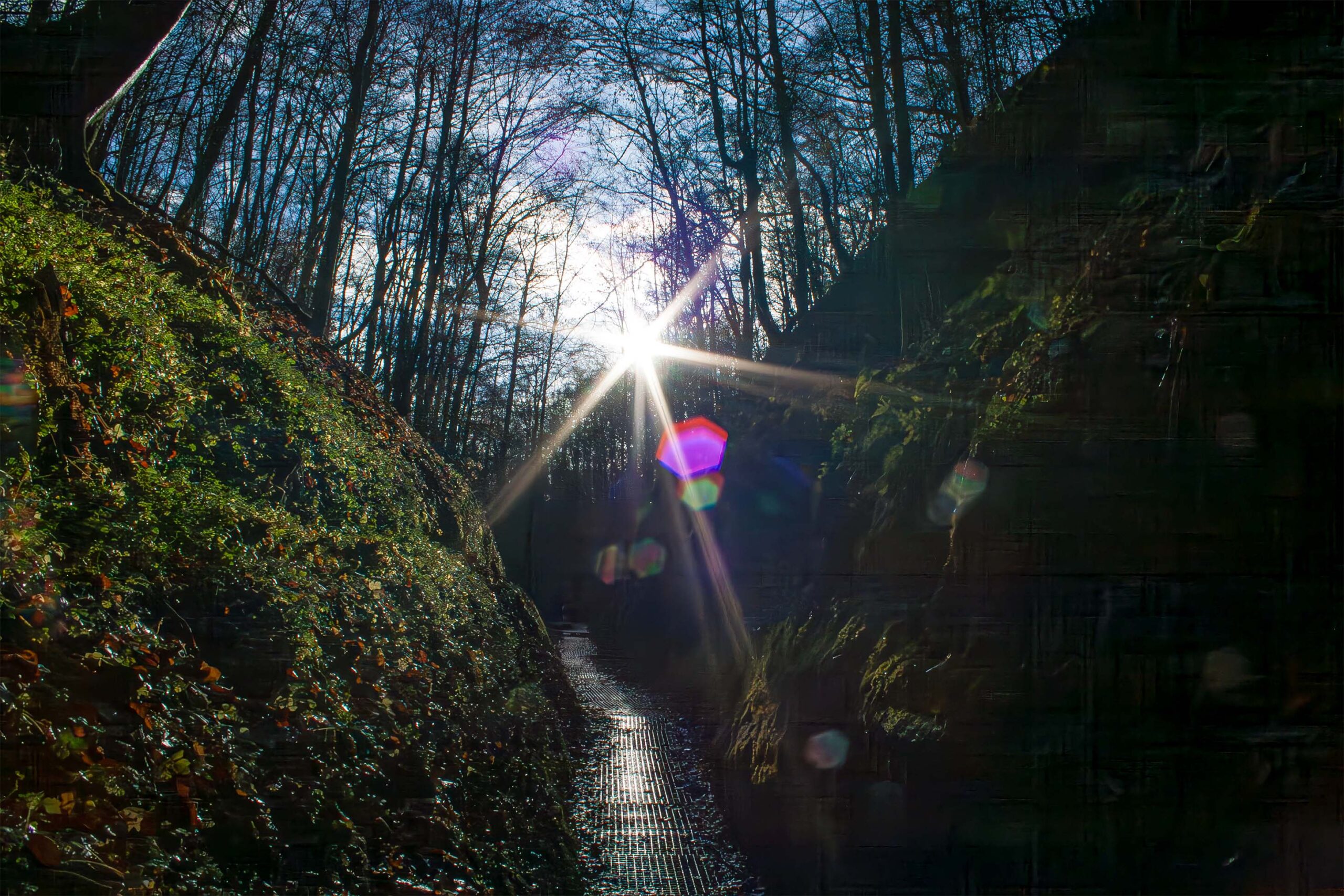
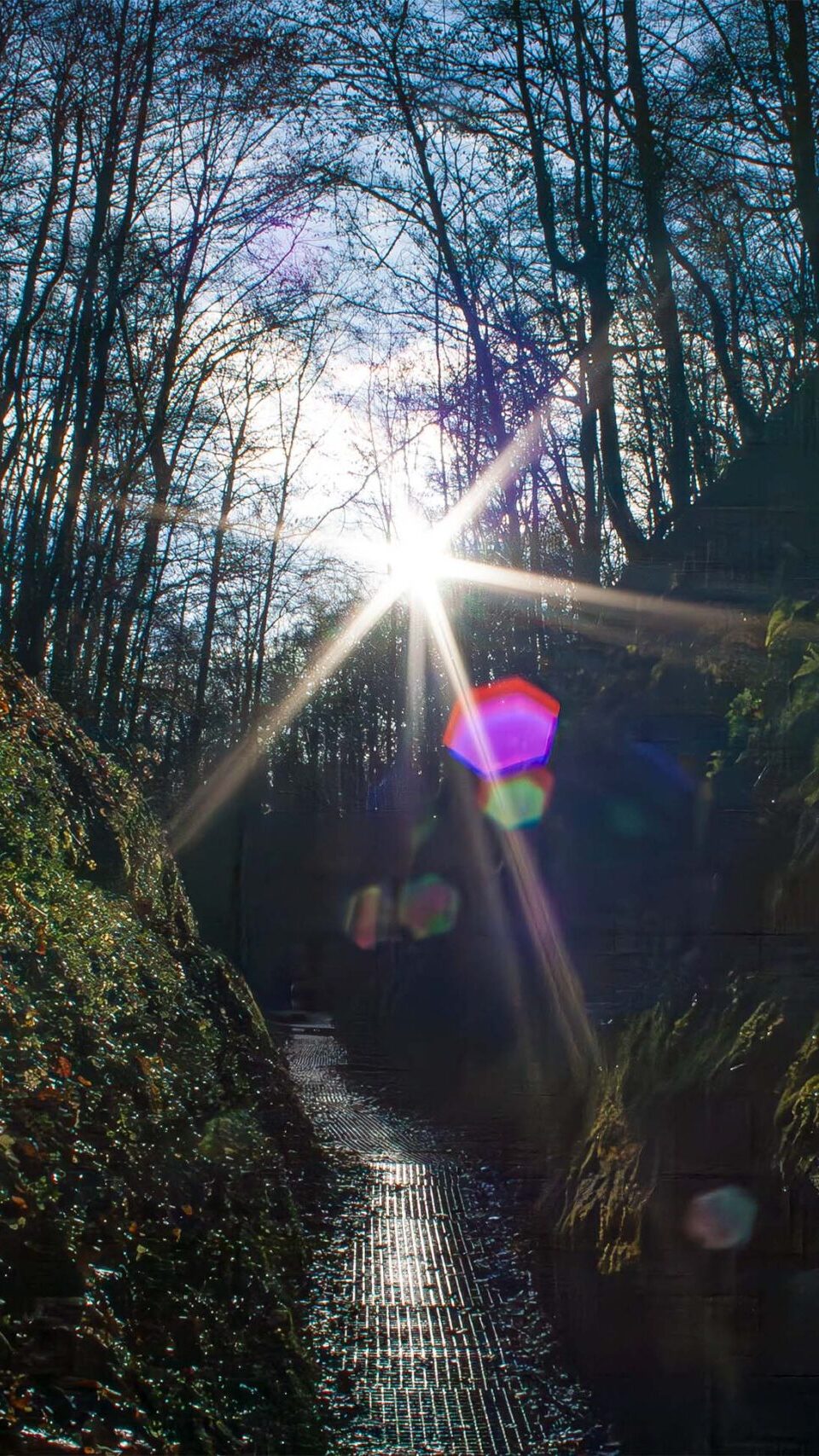
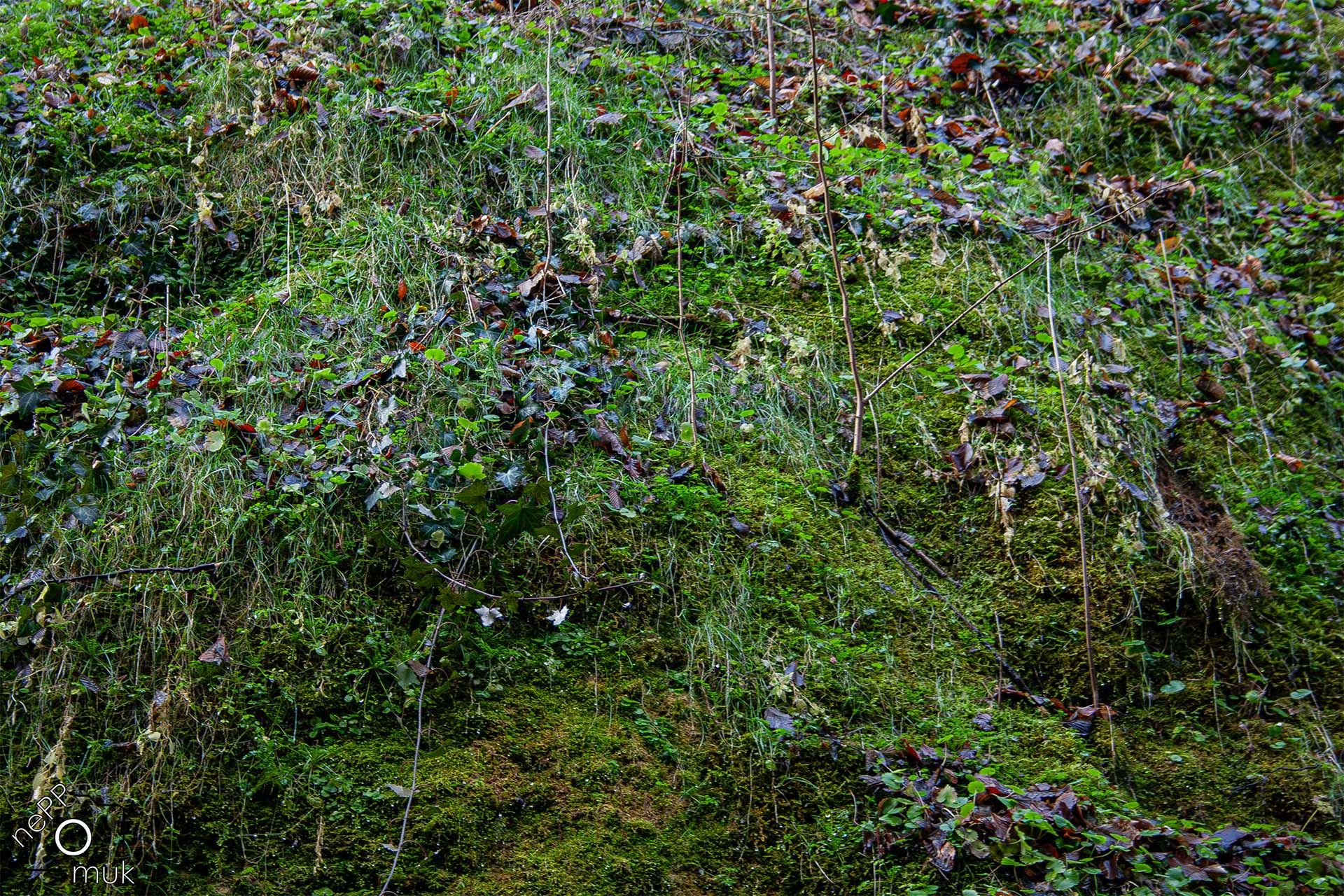
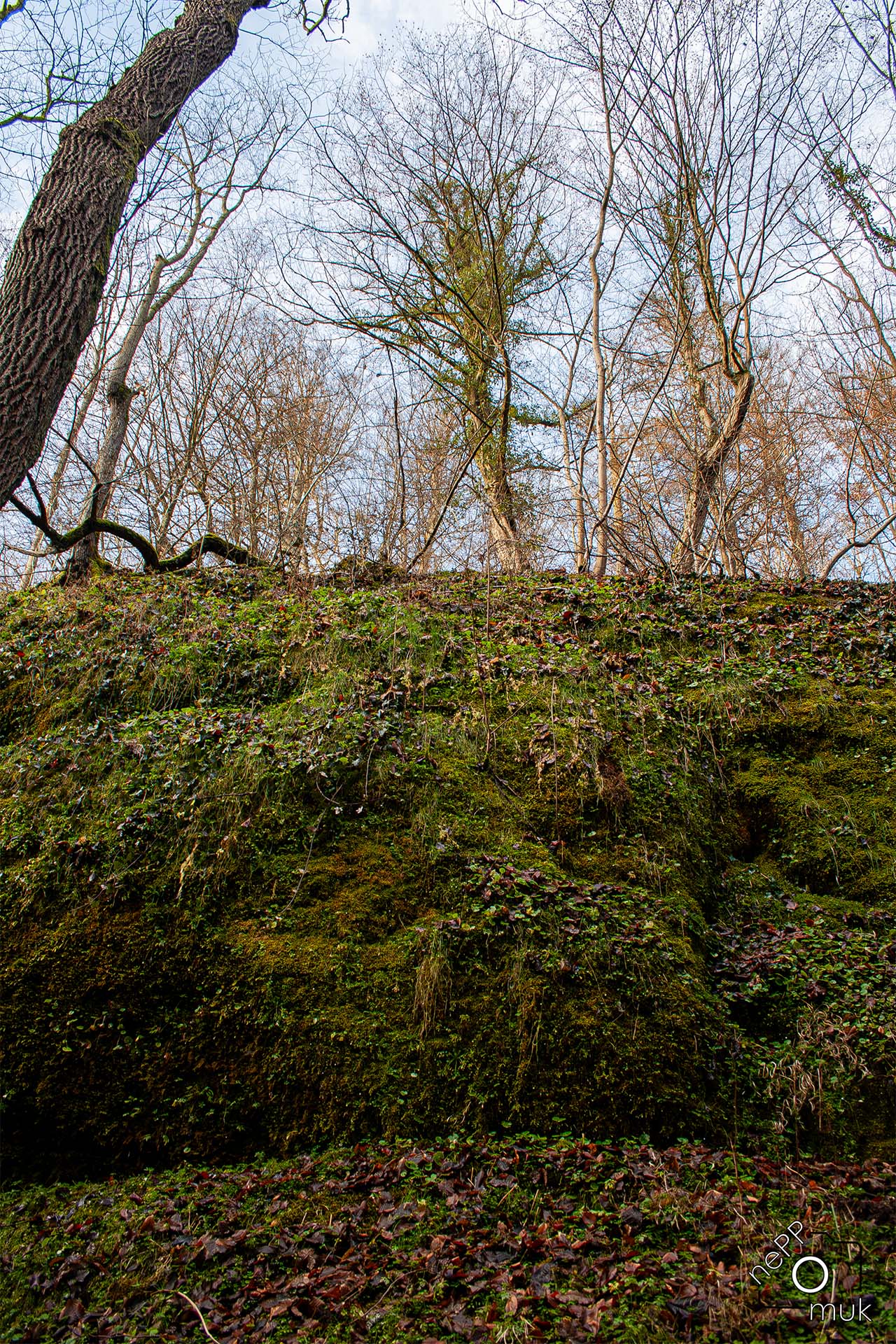
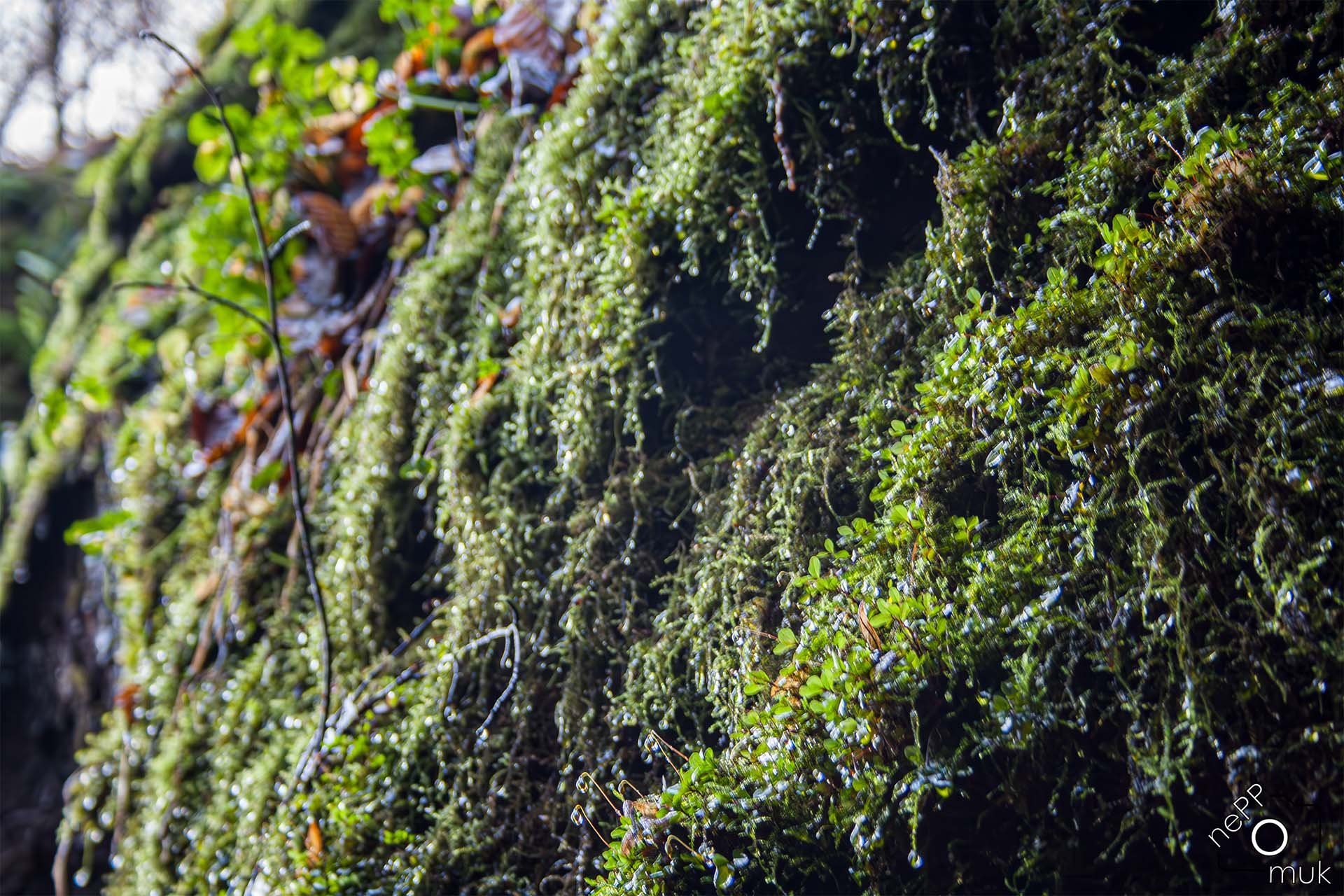
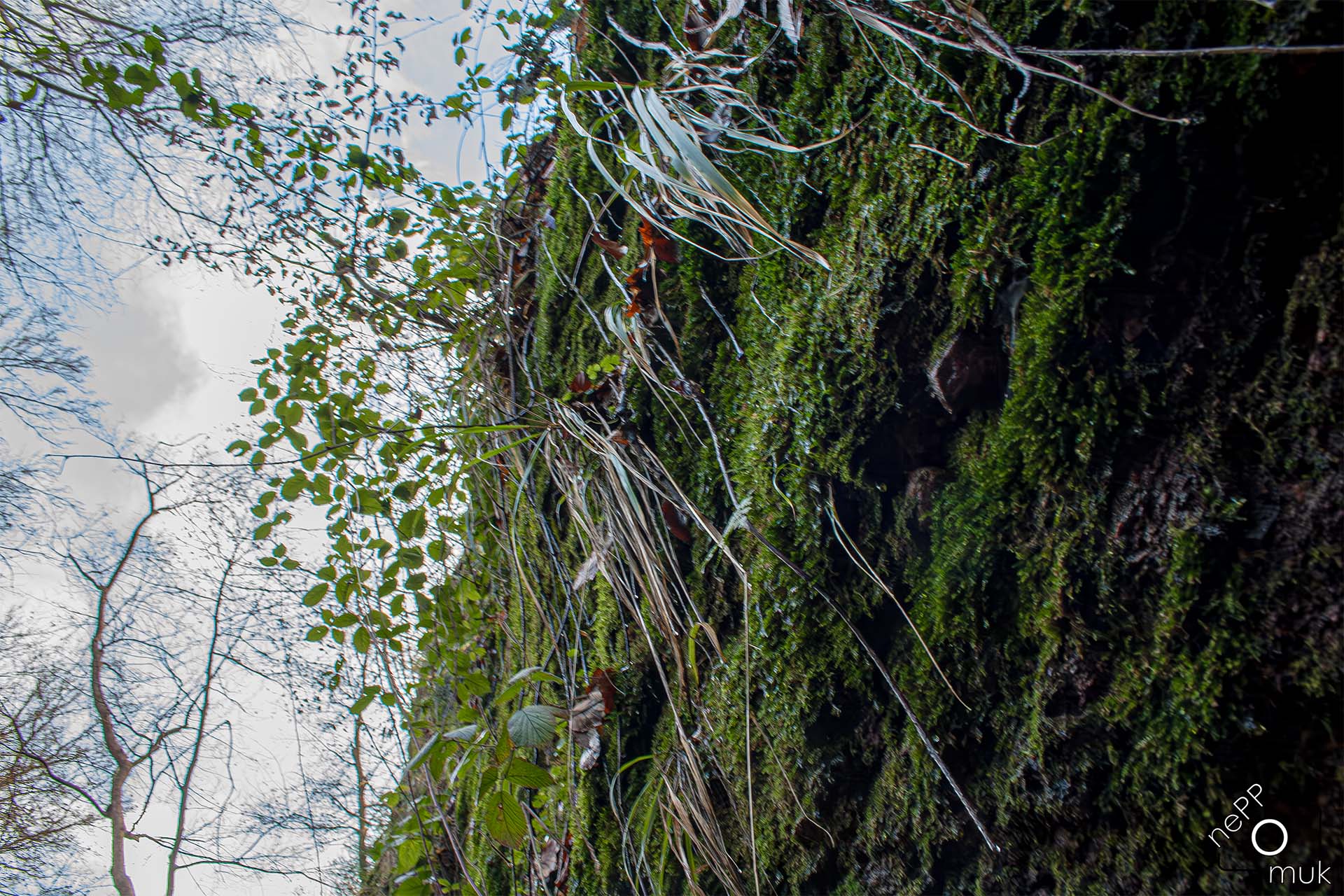
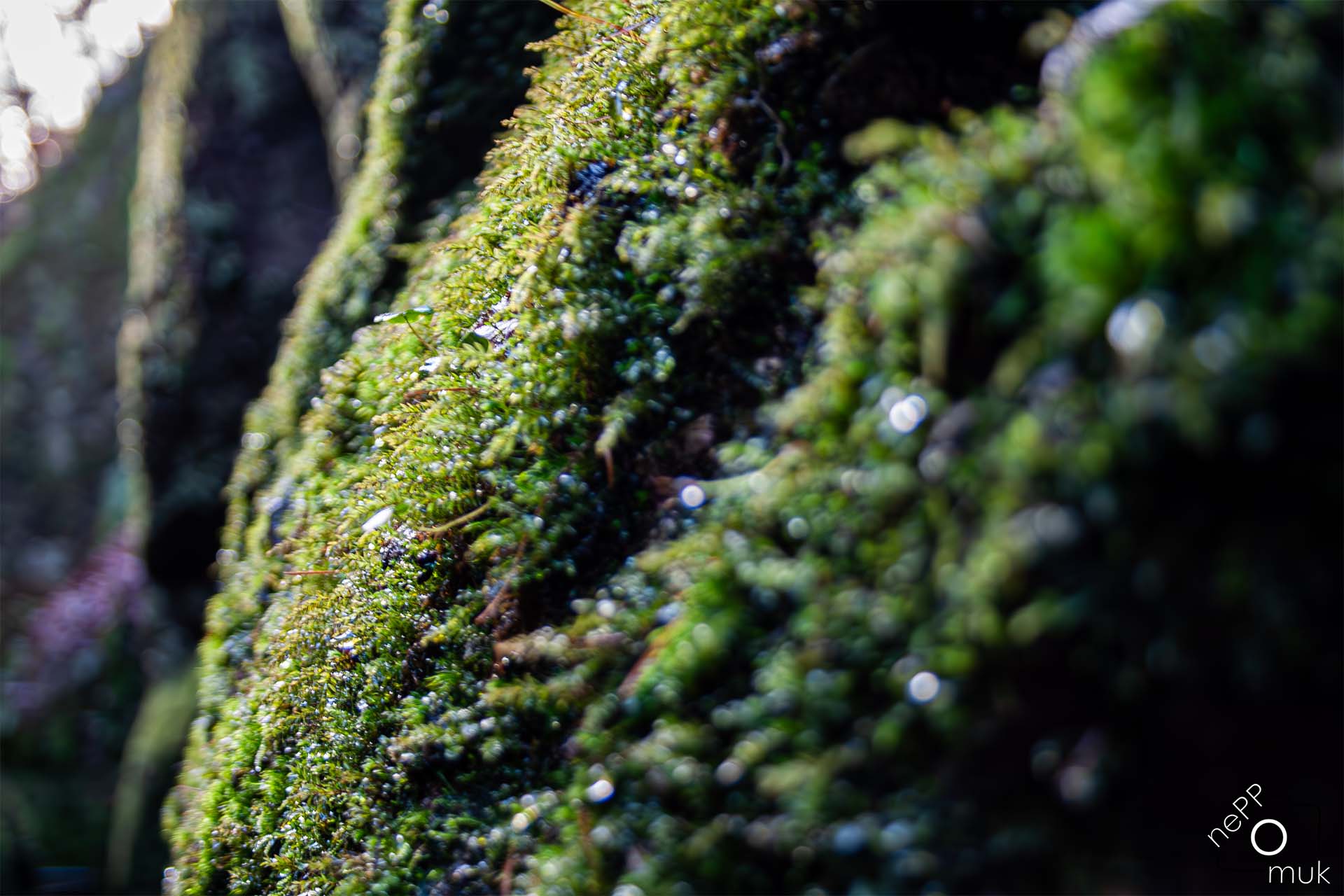
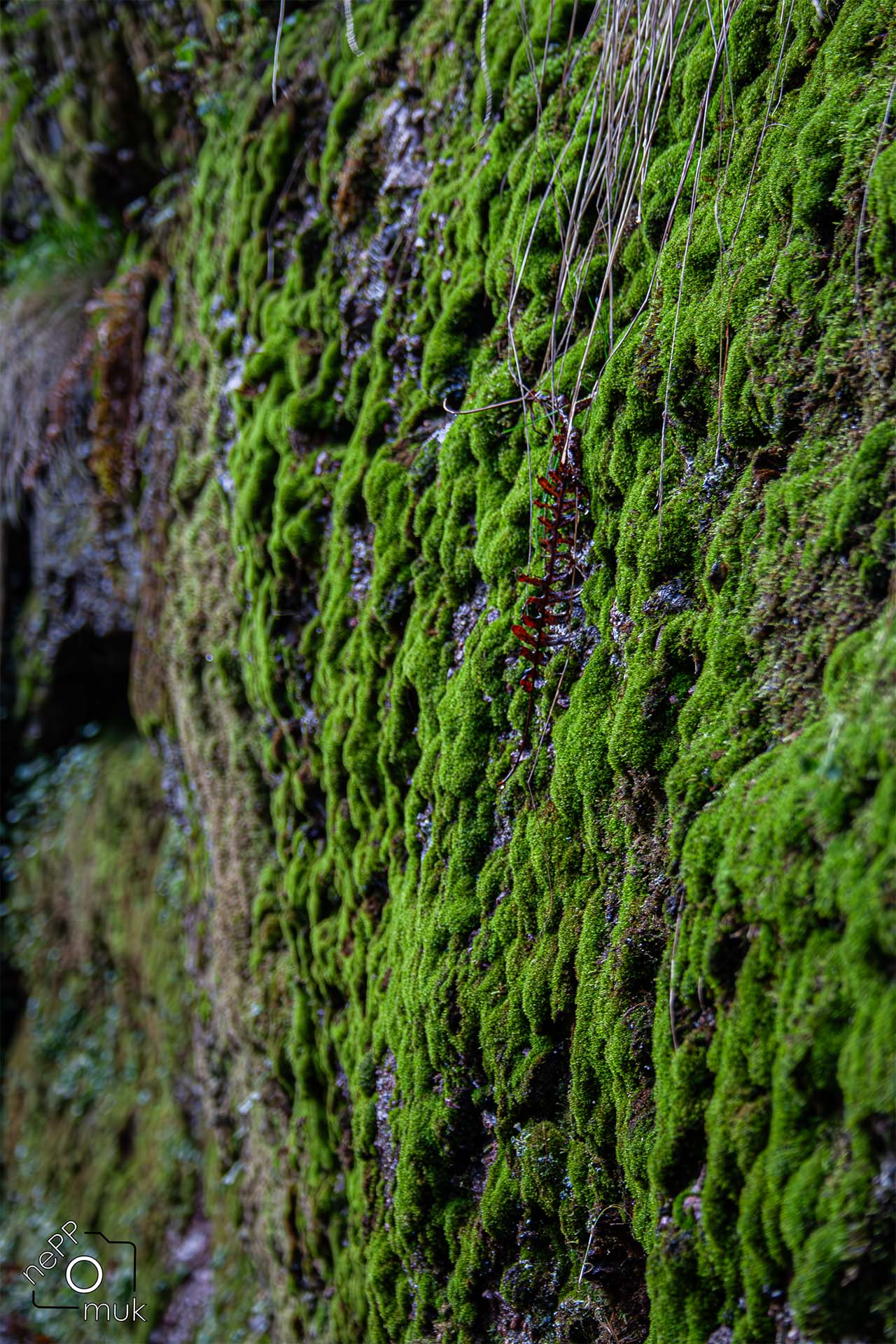
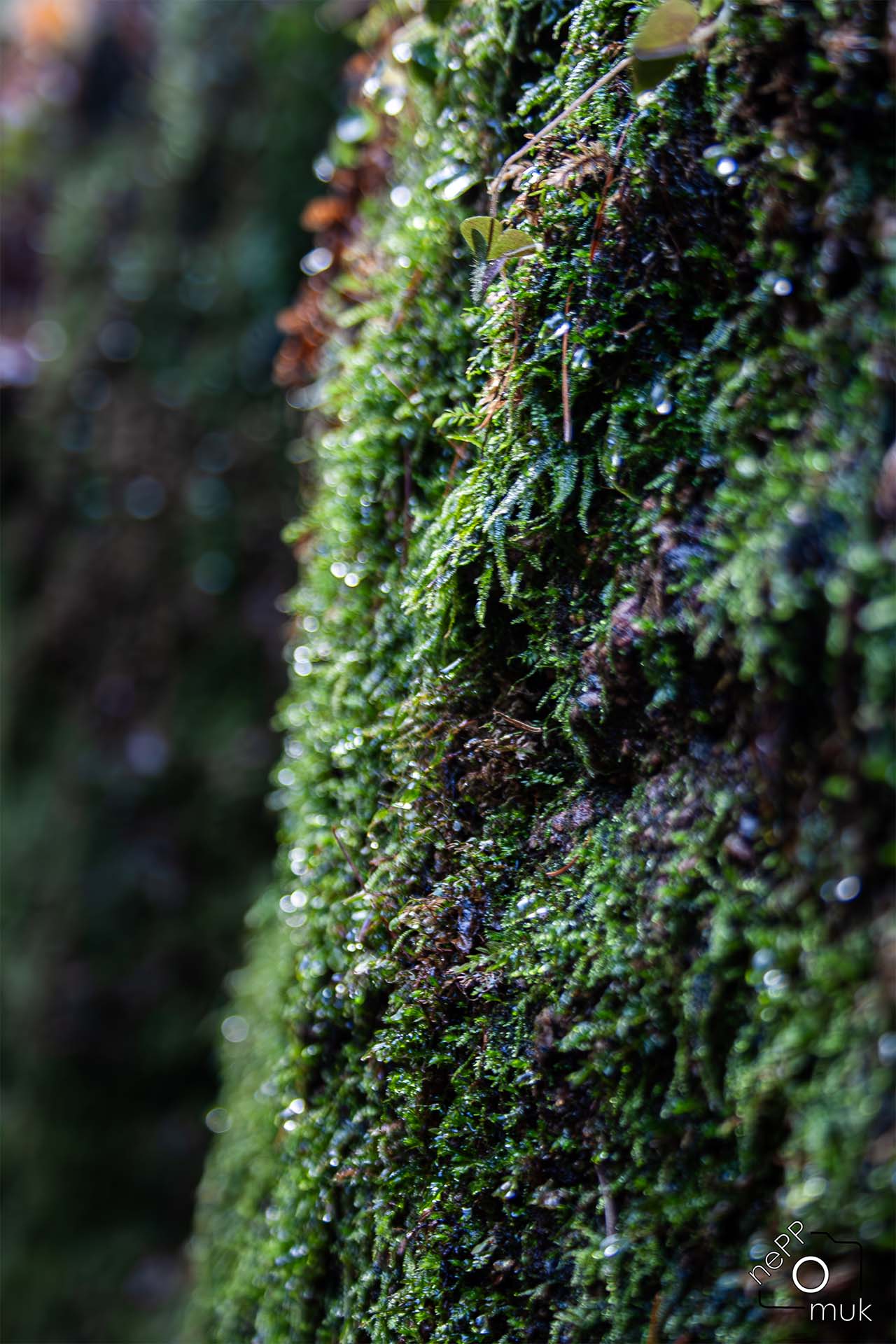
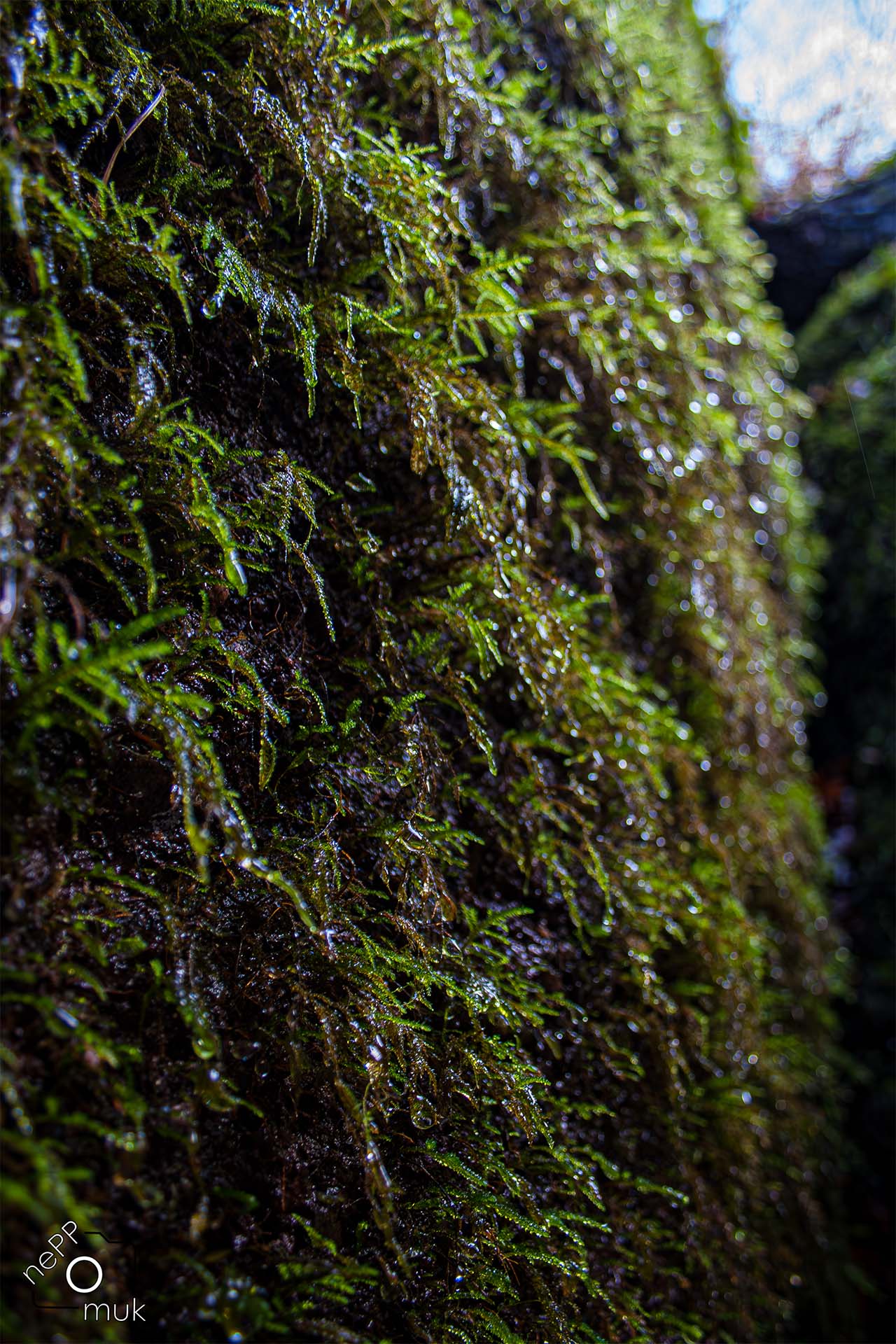
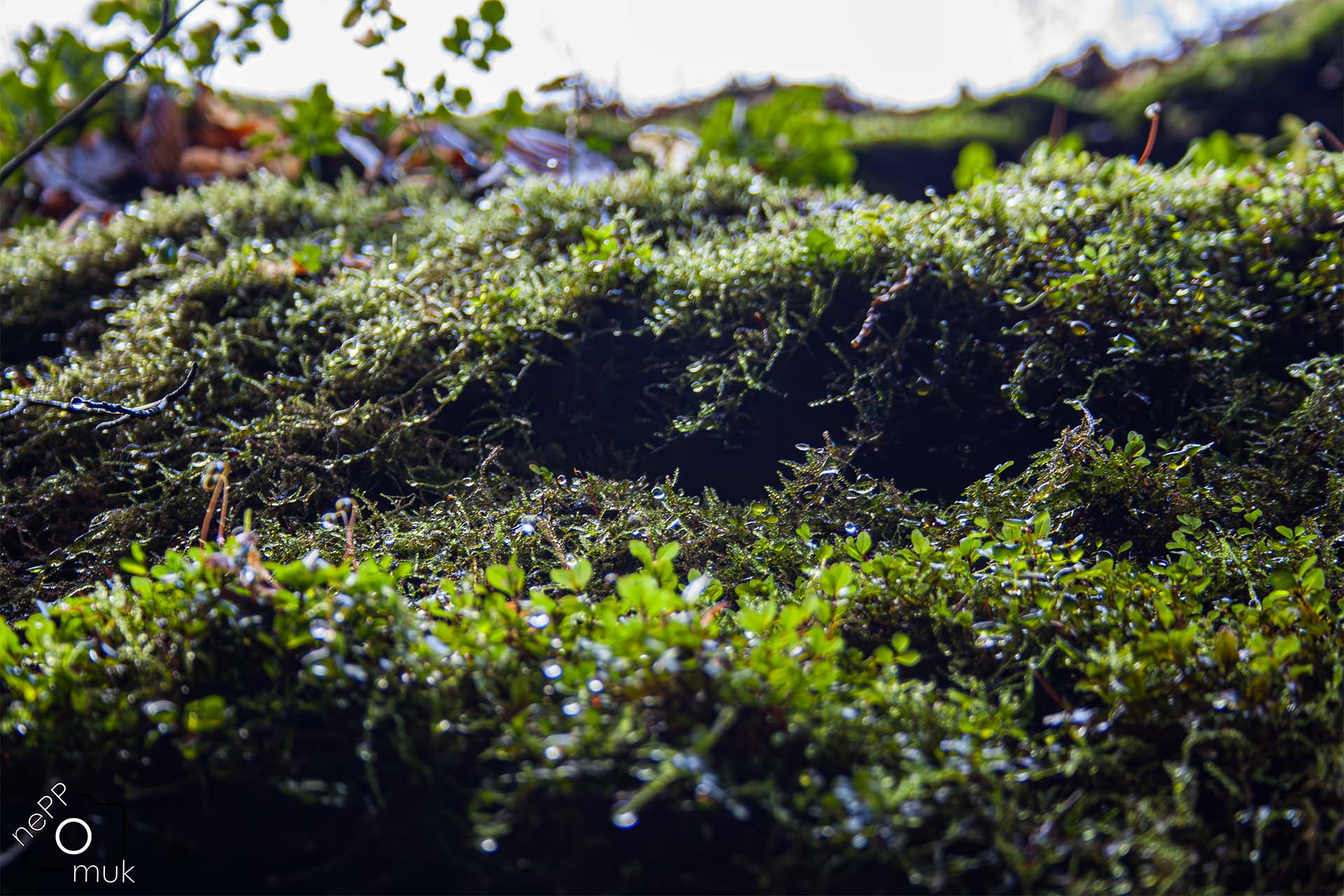
The hiking route, about 3 kilometers long, starts at Mariental near Eisenach and leads through a green oasis. The gorge itself, part of a nature trail, is characterized by moss-covered rock walls and crystal-clear streams. Special highlights are the boardwalks and wooden bridges, which make it possible to cross the gorge with dry feet, even when the water of the small stream that runs through it rises.
DThe Dragon Gorge near Eisenach is a fascinating ravine in the Thuringian Forest with moss-covered rock walls and narrow passages that immerse visitors in a fairytale atmosphere. The cool gorge, through which a stream flows, offers a nature trail with boardwalks and bridges. It combines impressive nature with proximity to the historic Wartburg and is a highlight for hikers.
Die Wartburg
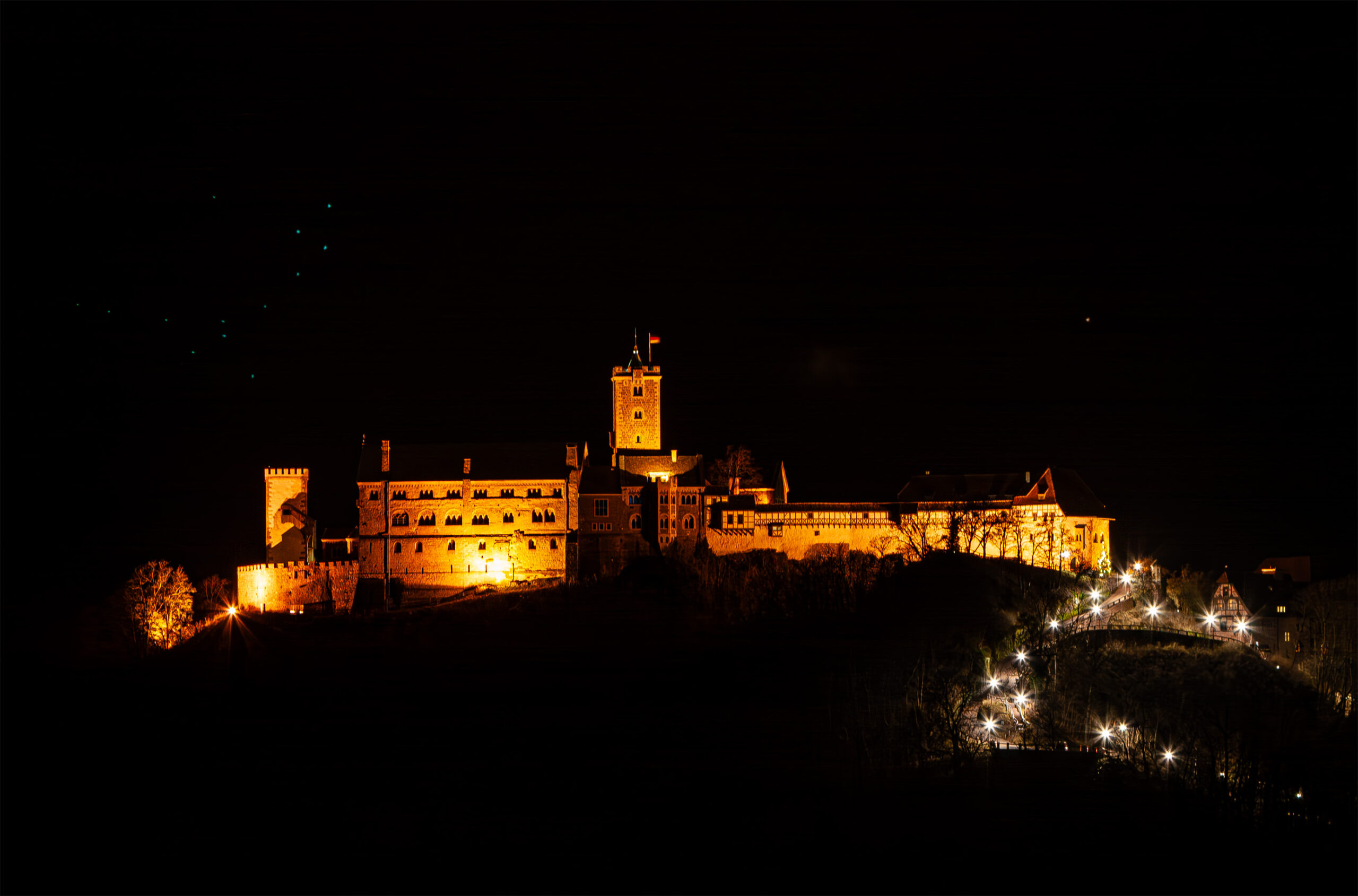
Die Wartburg
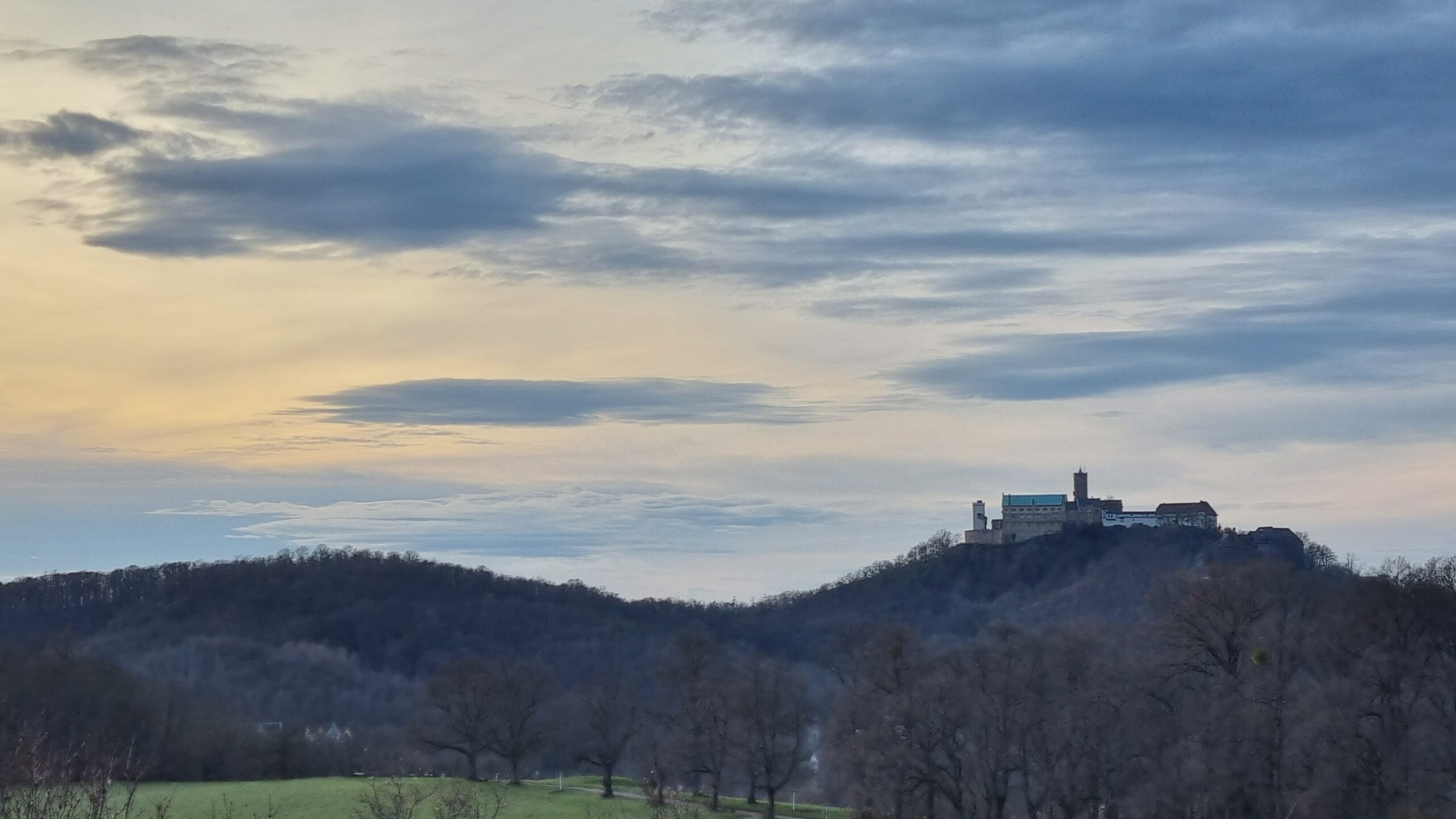
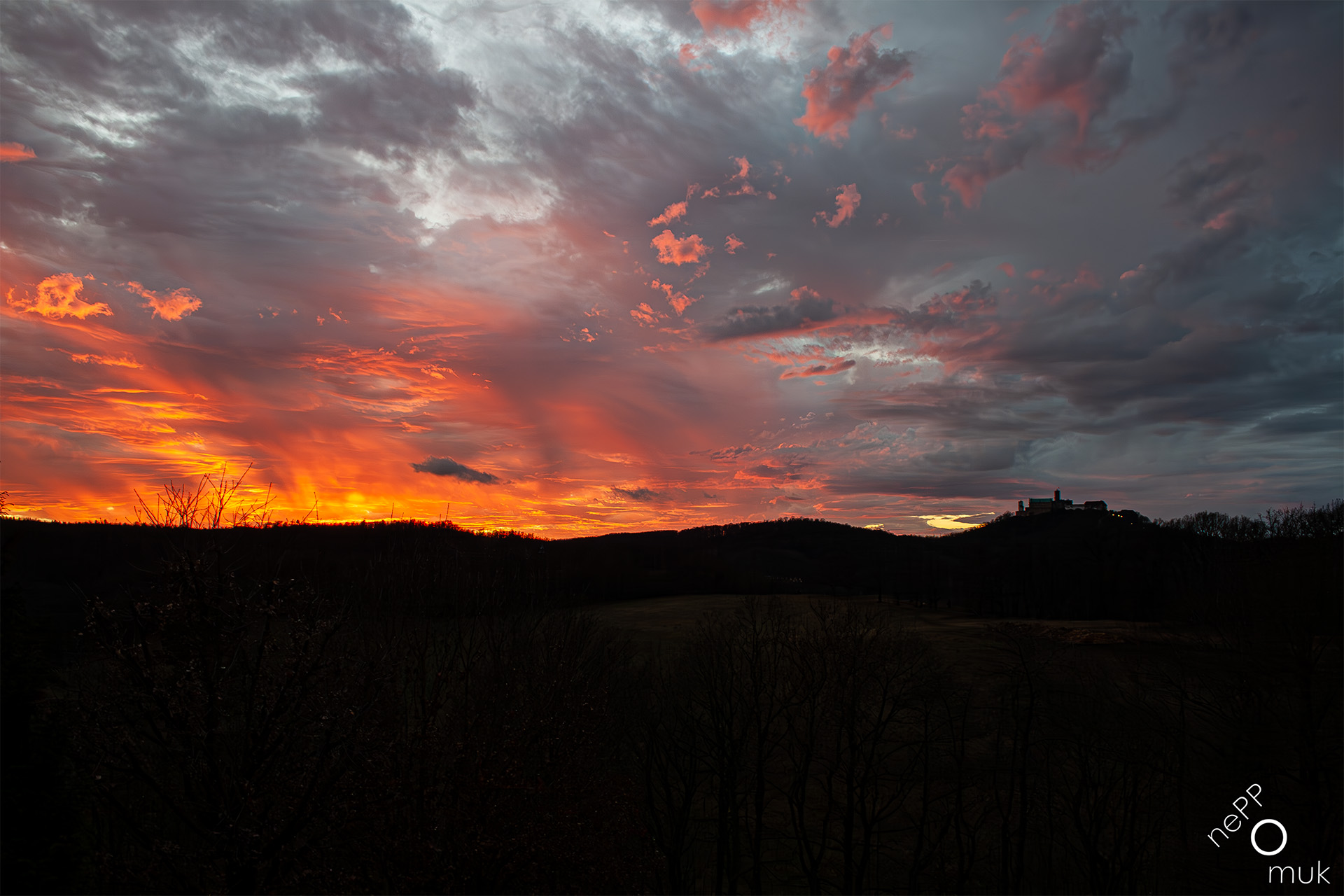
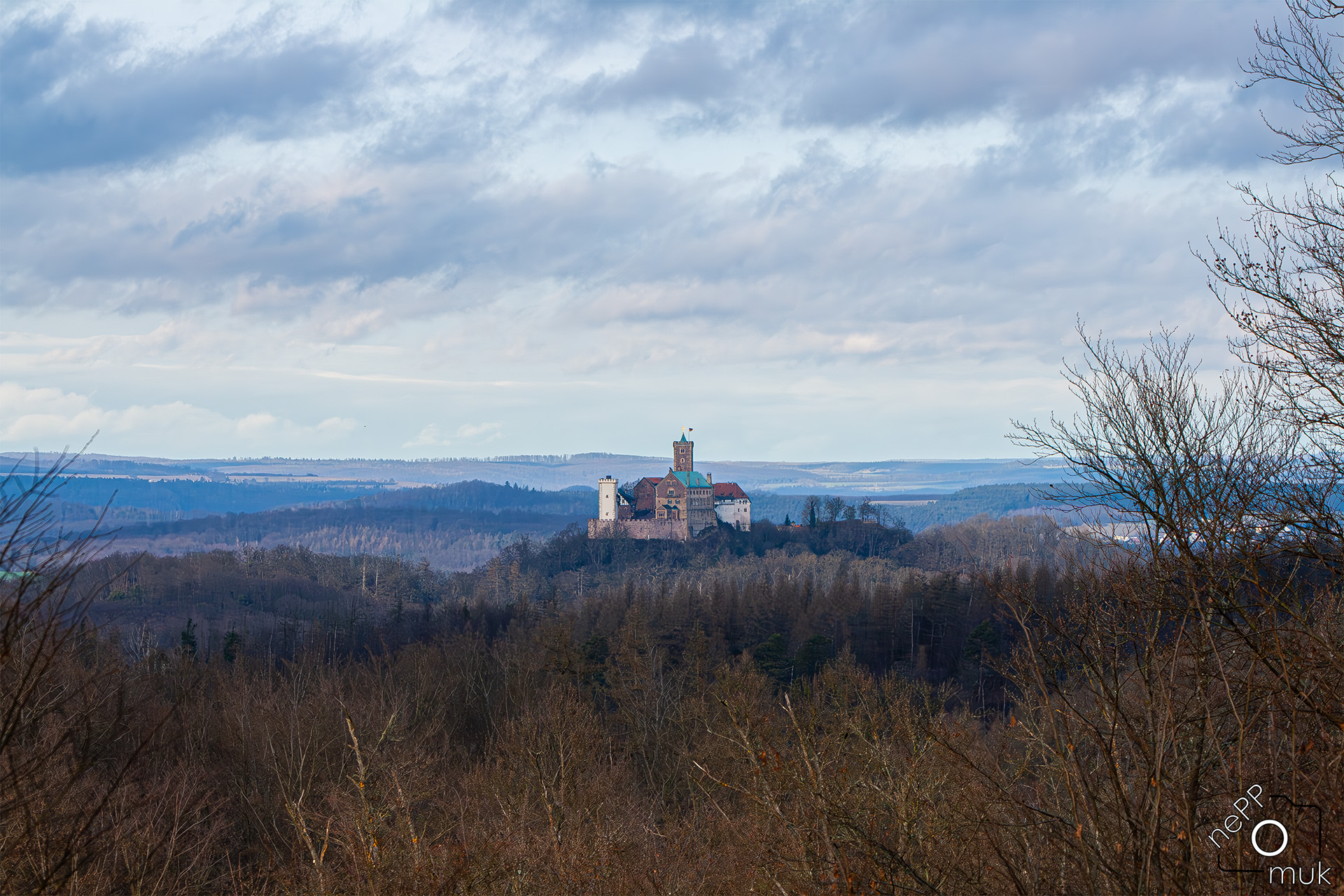
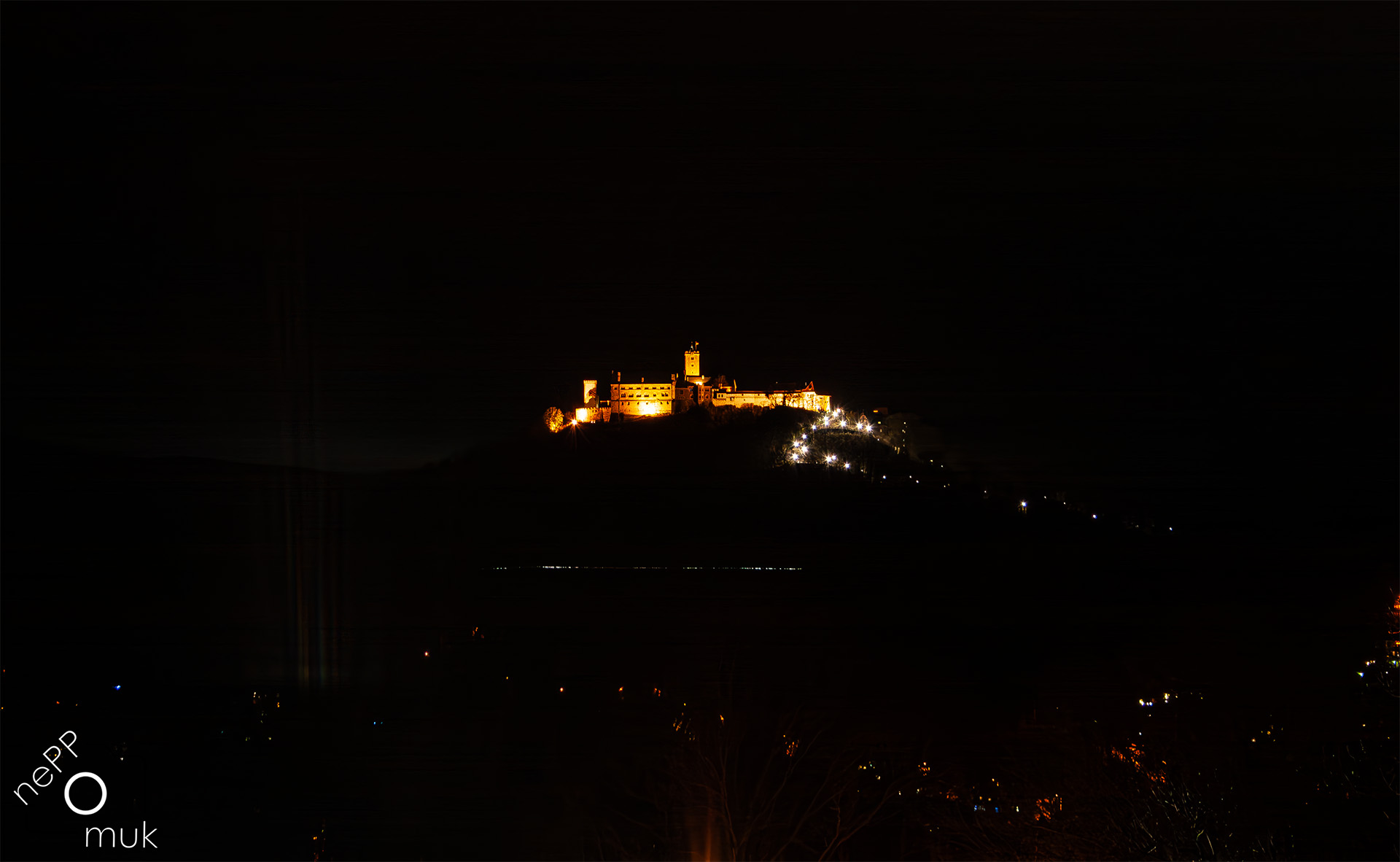
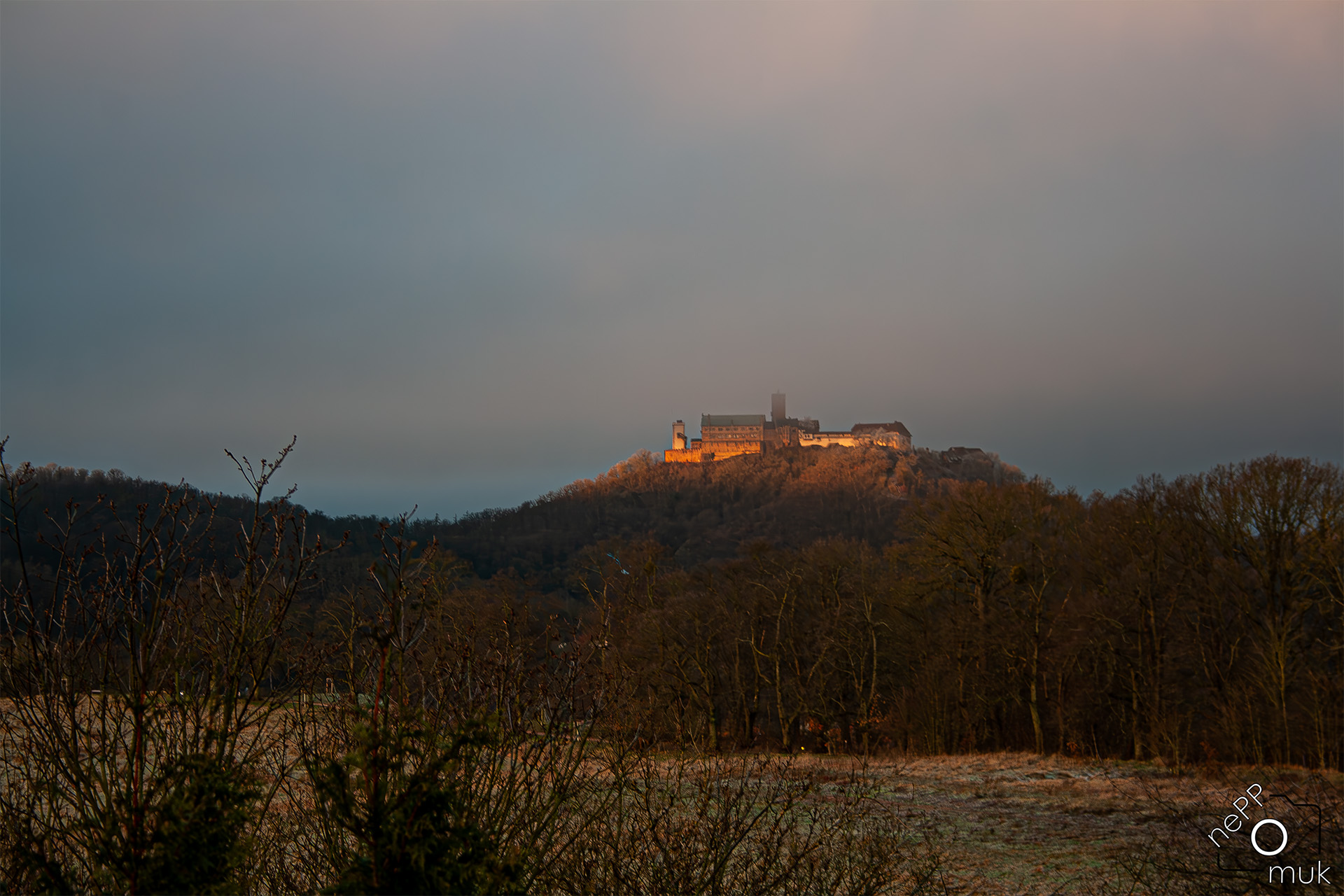
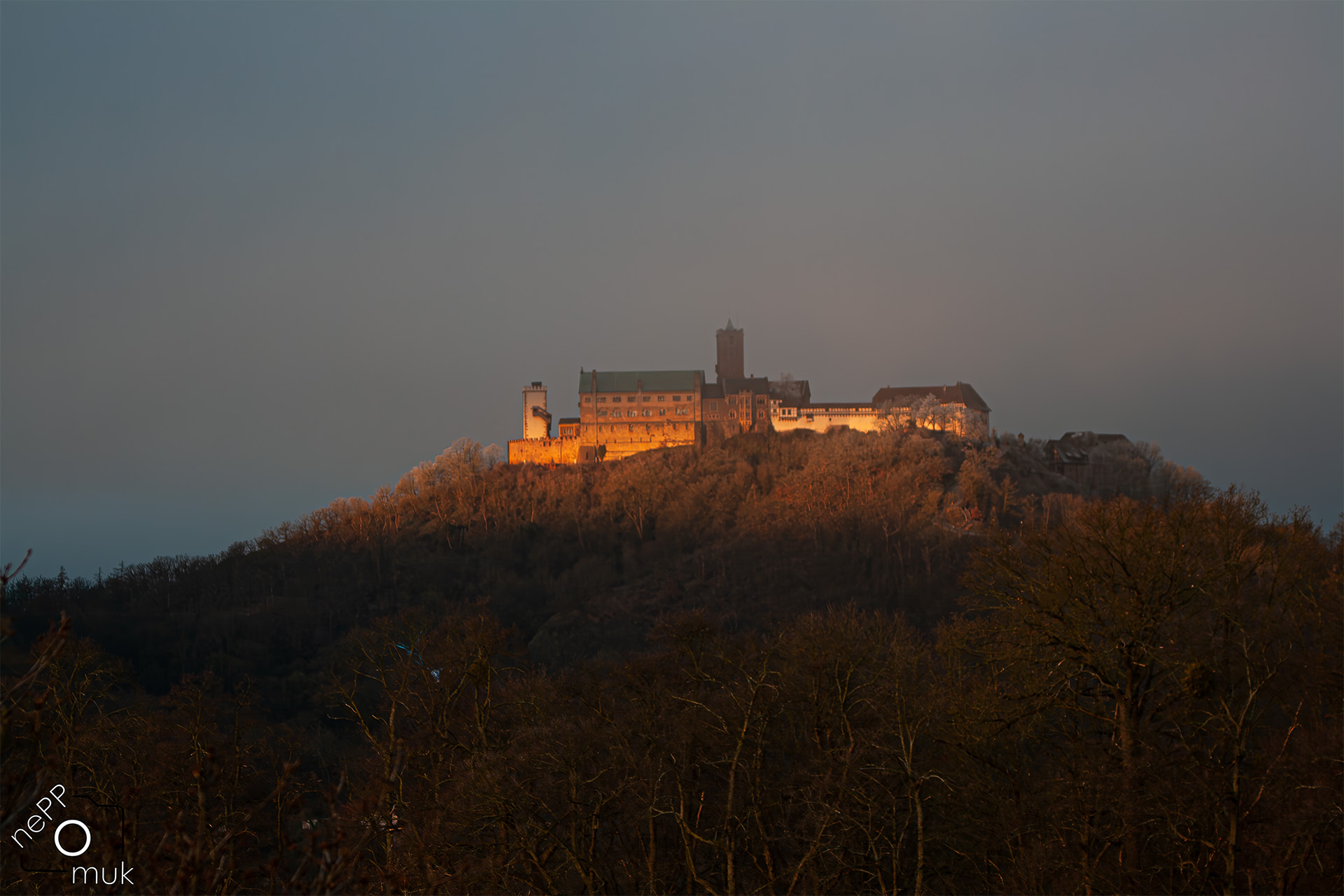
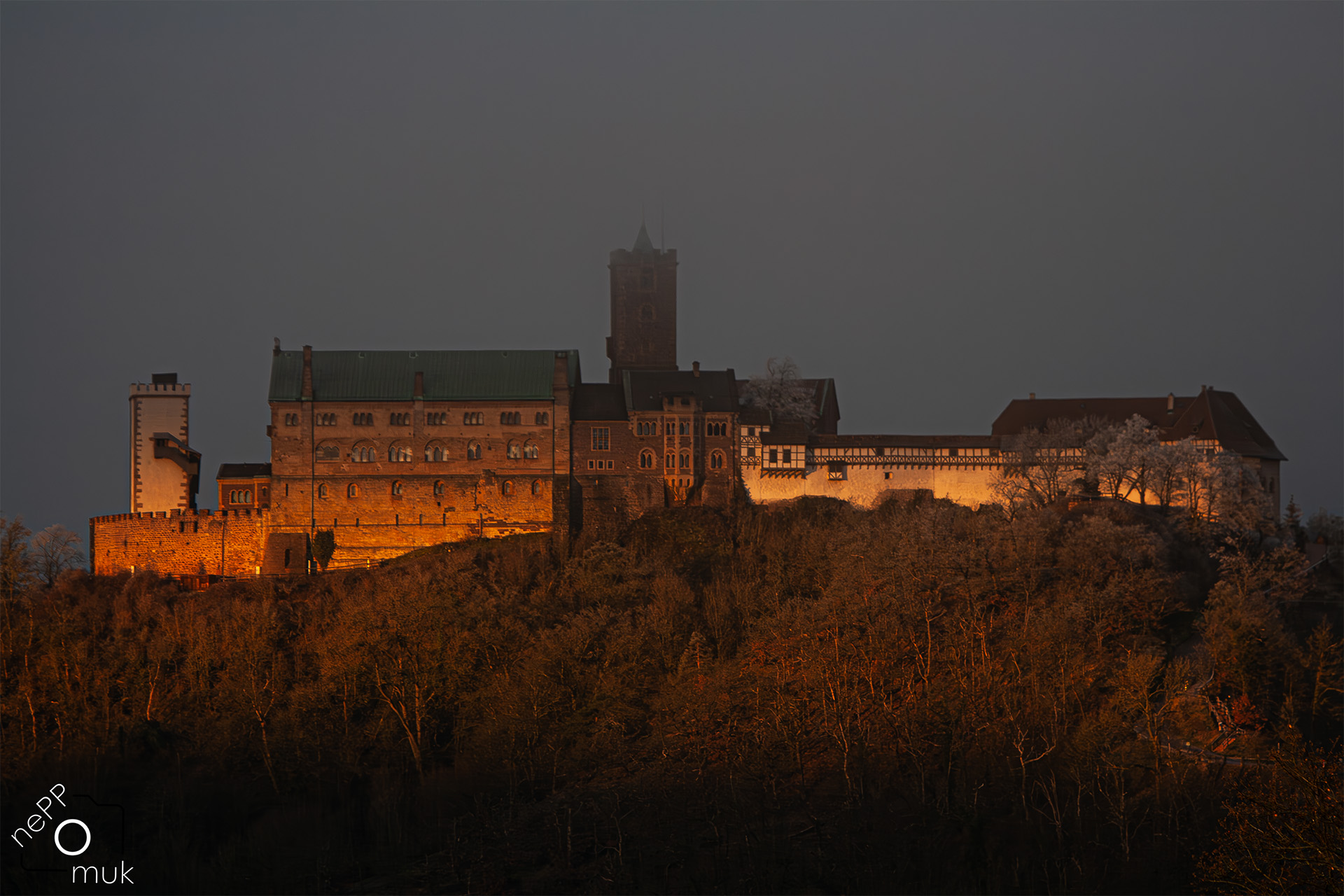
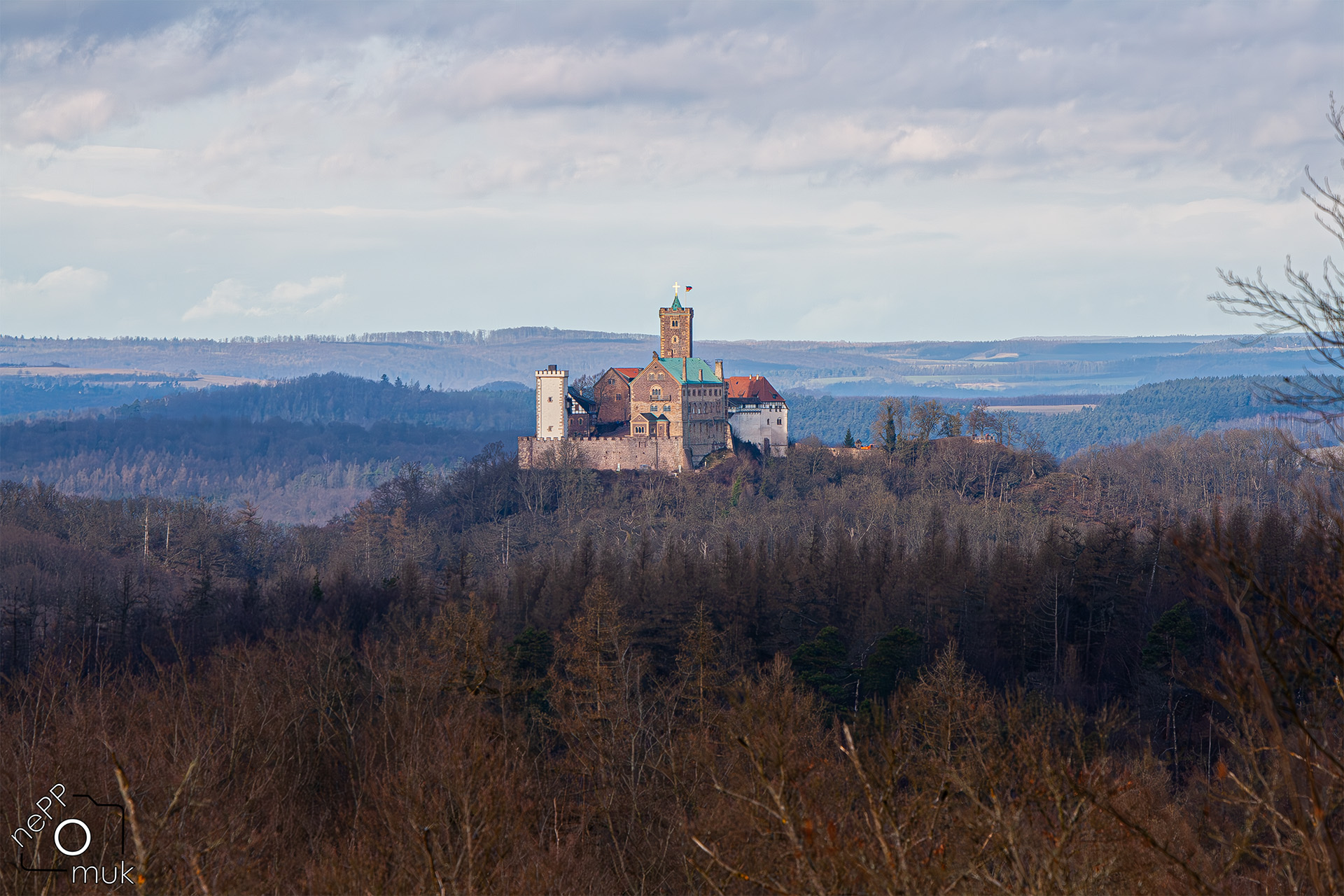
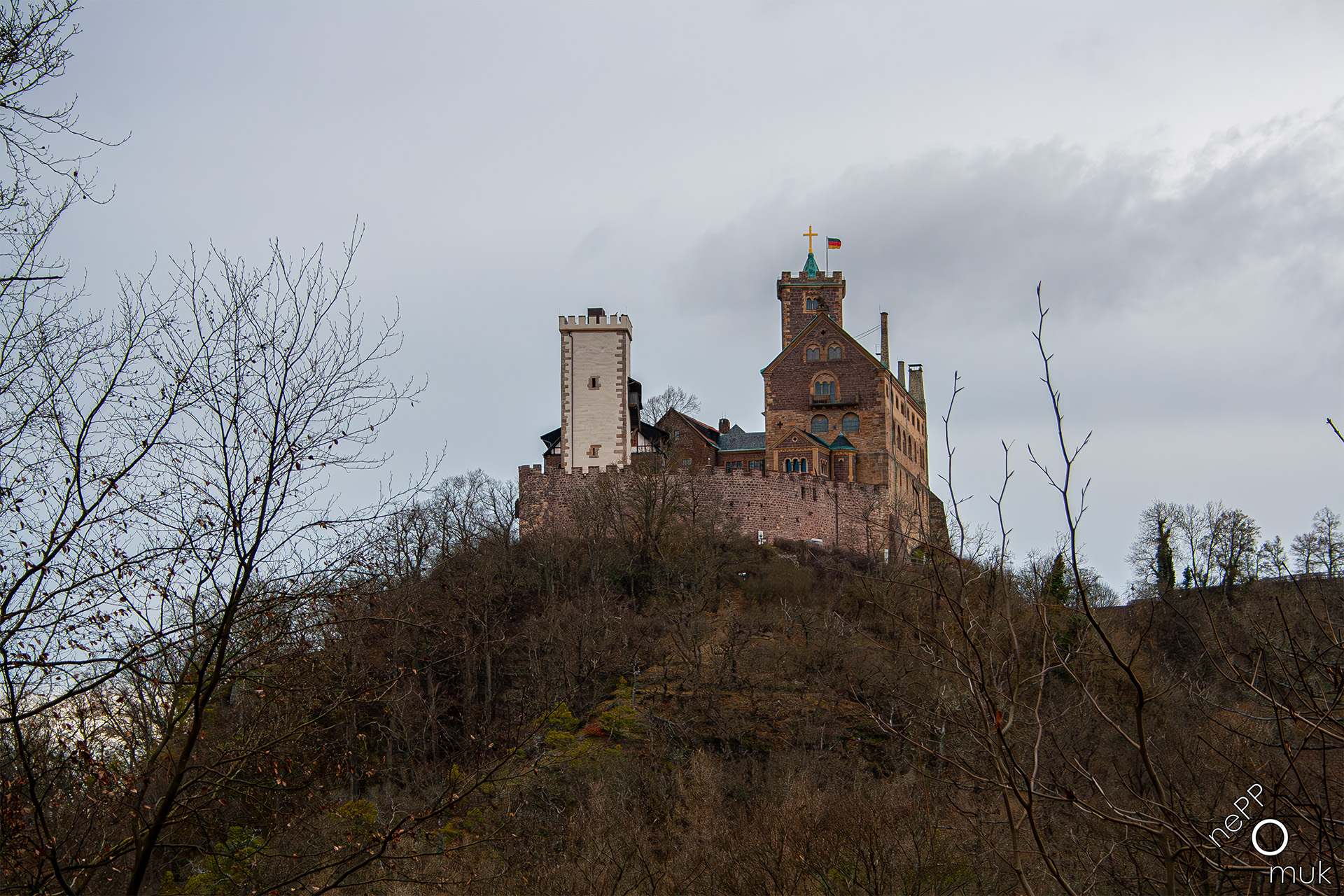
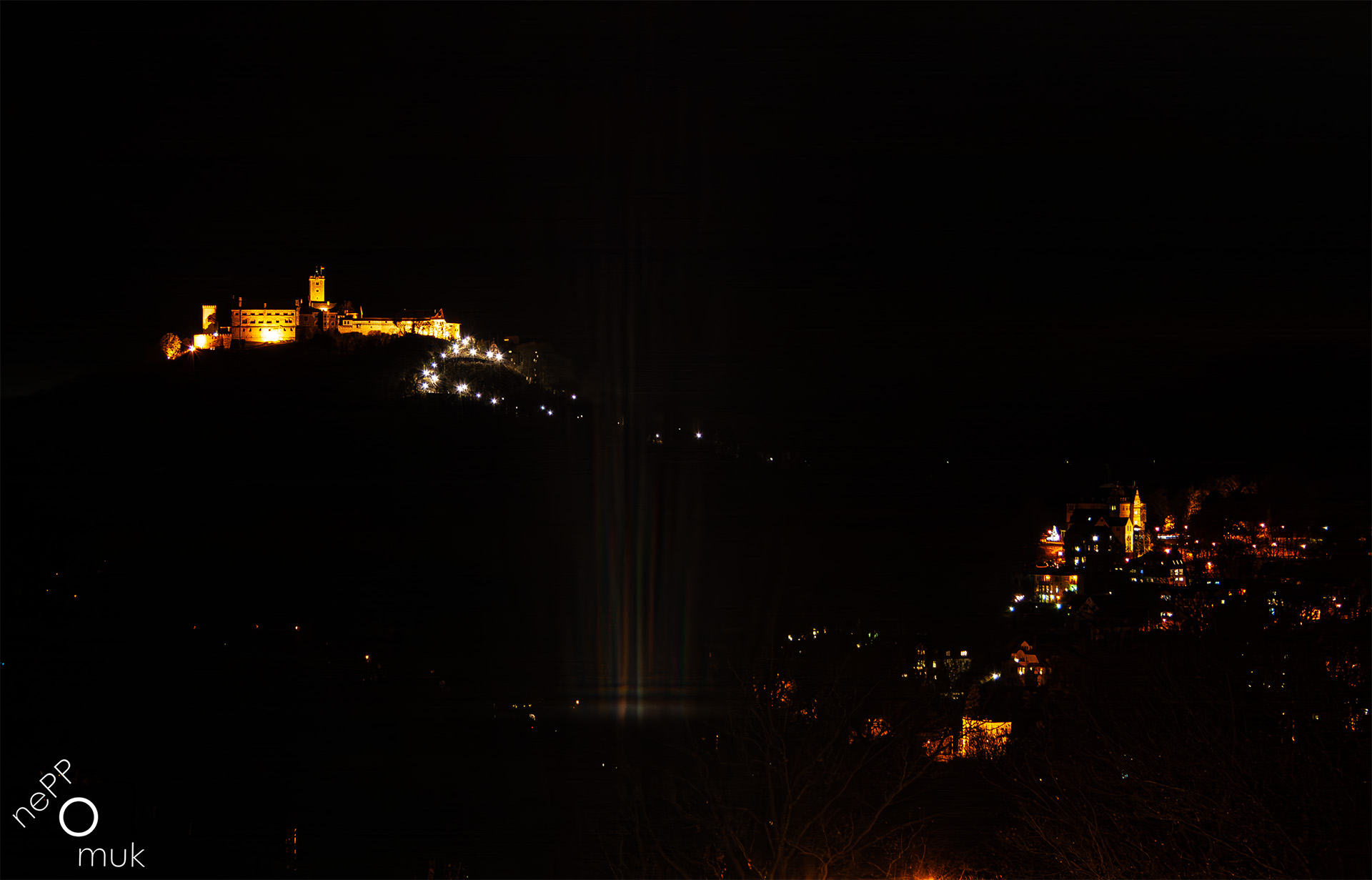
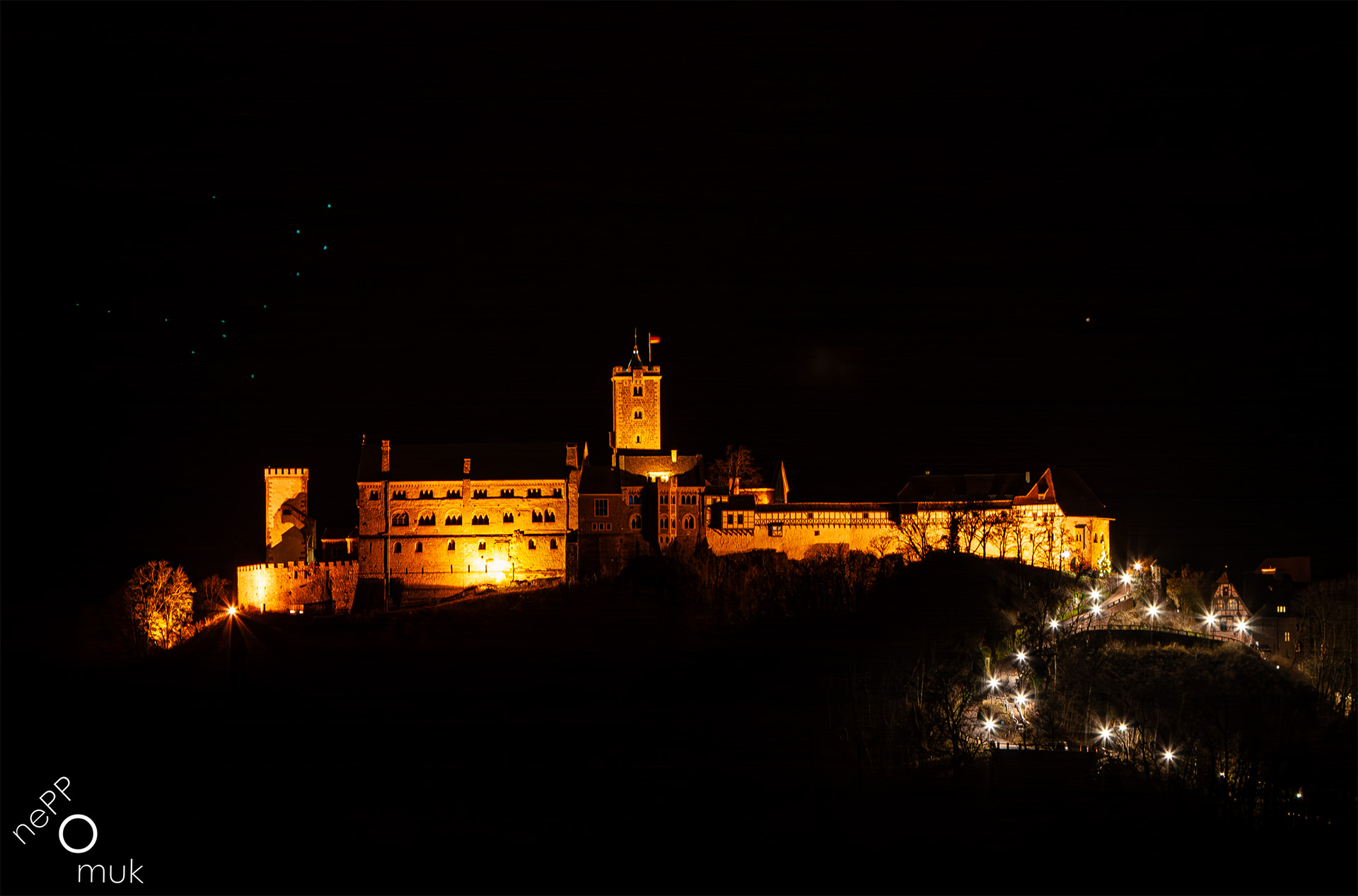
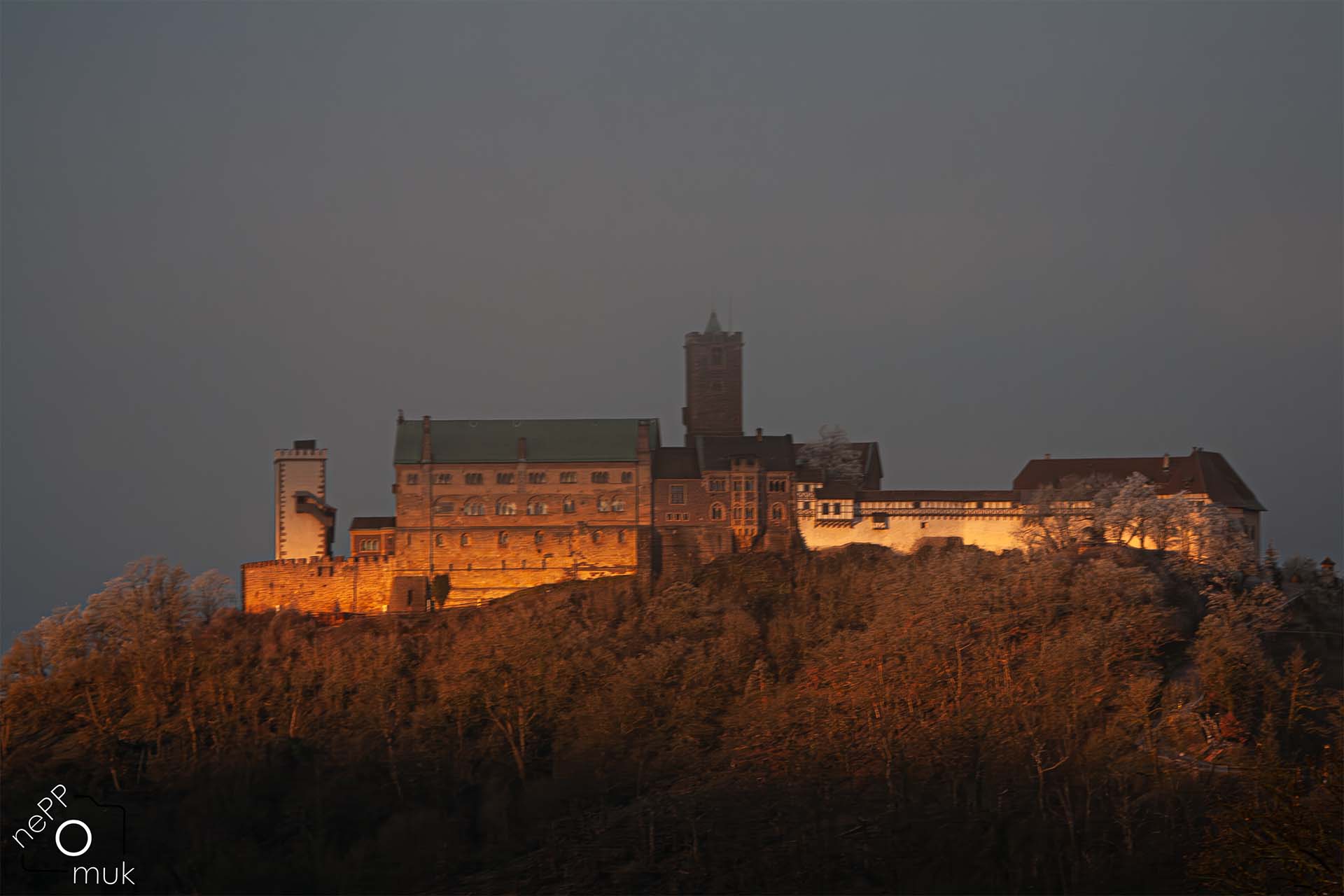
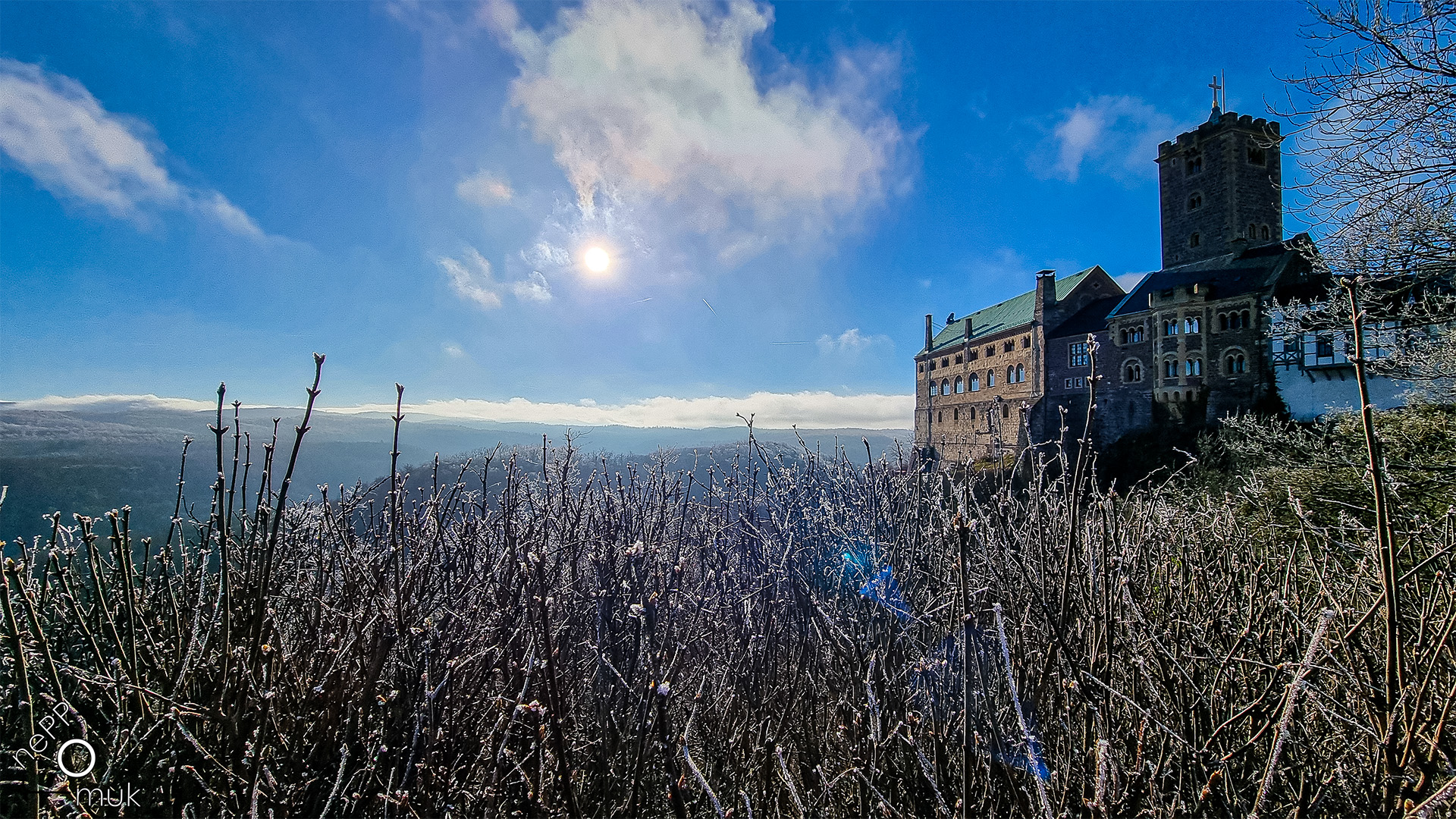
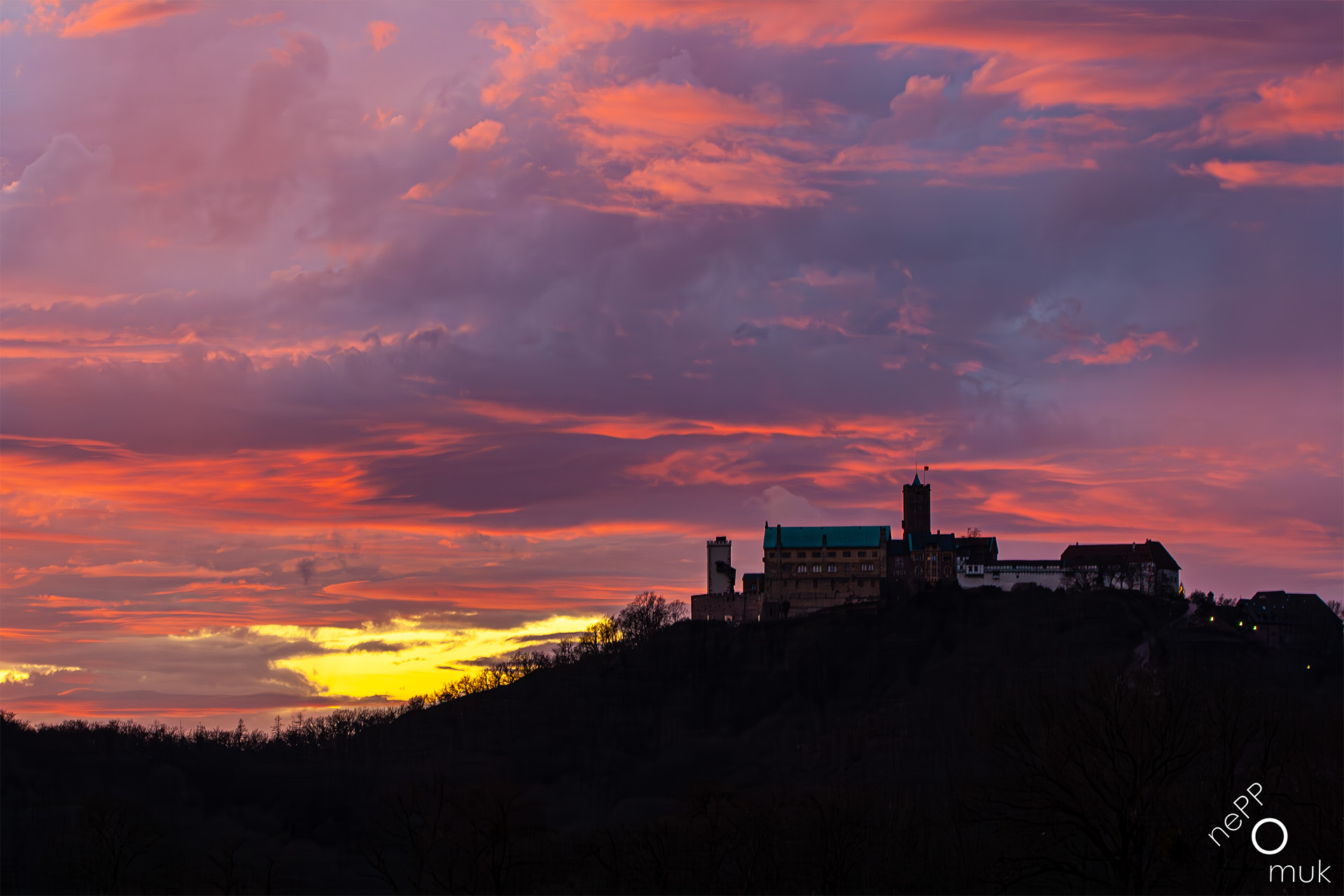
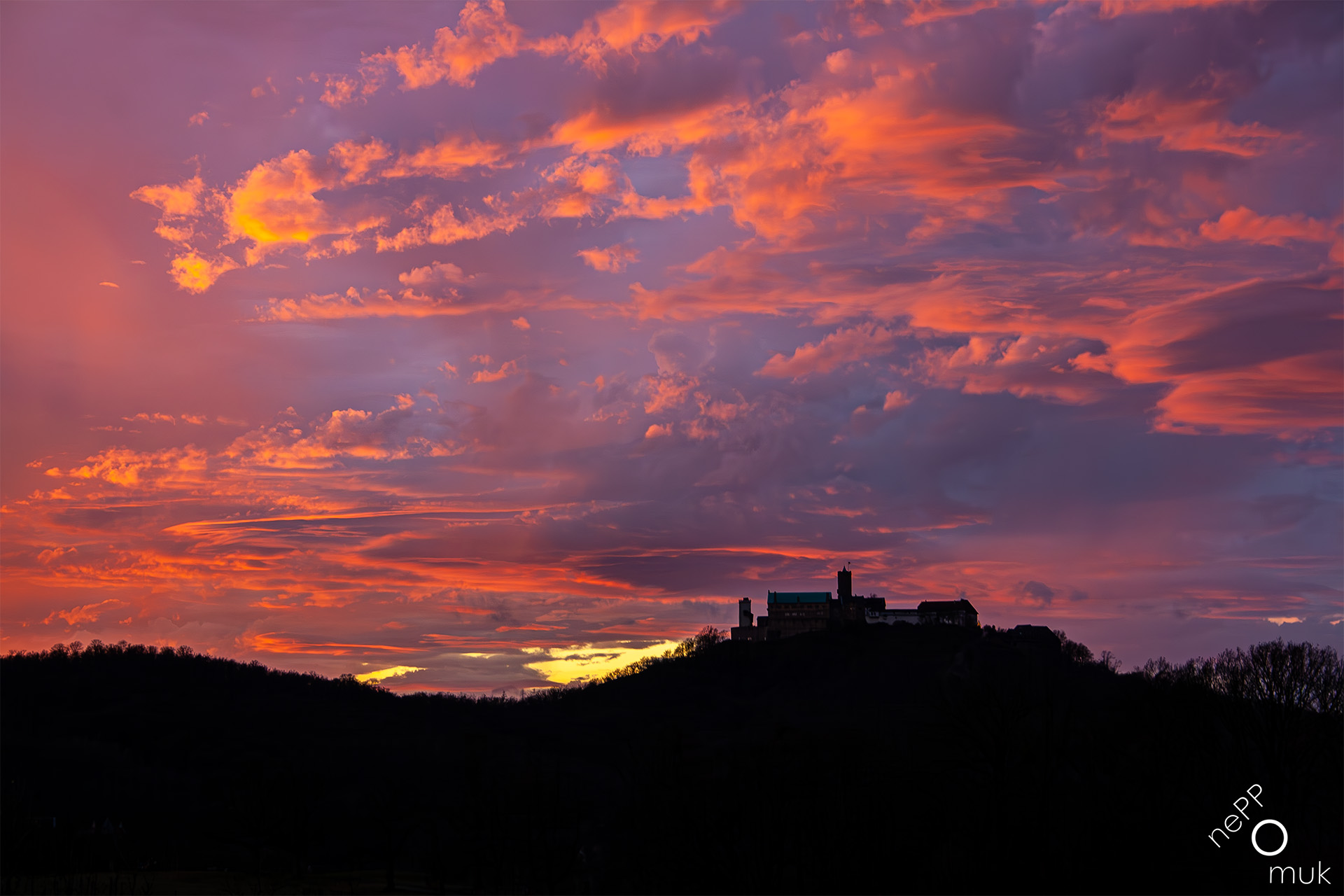
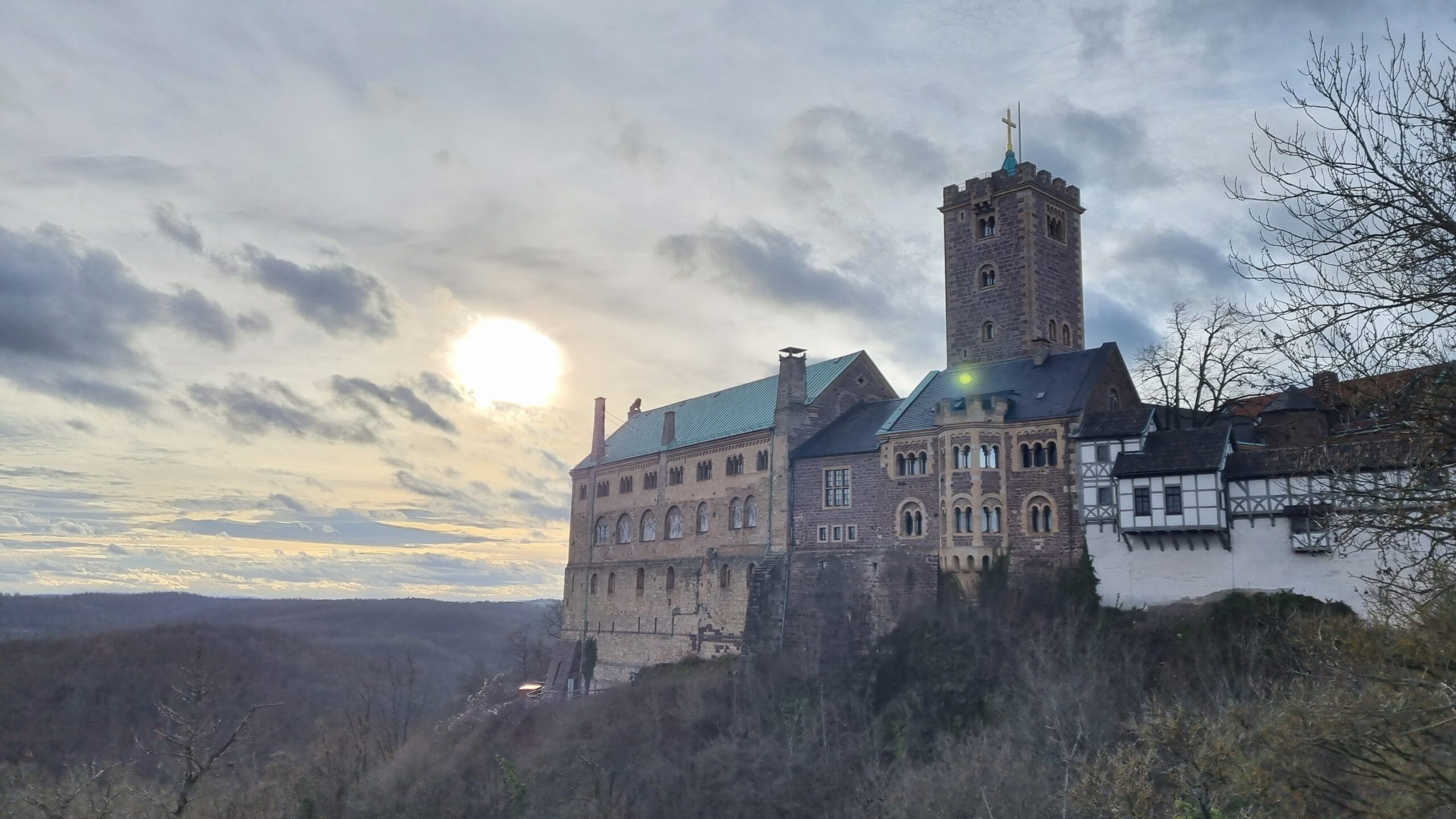
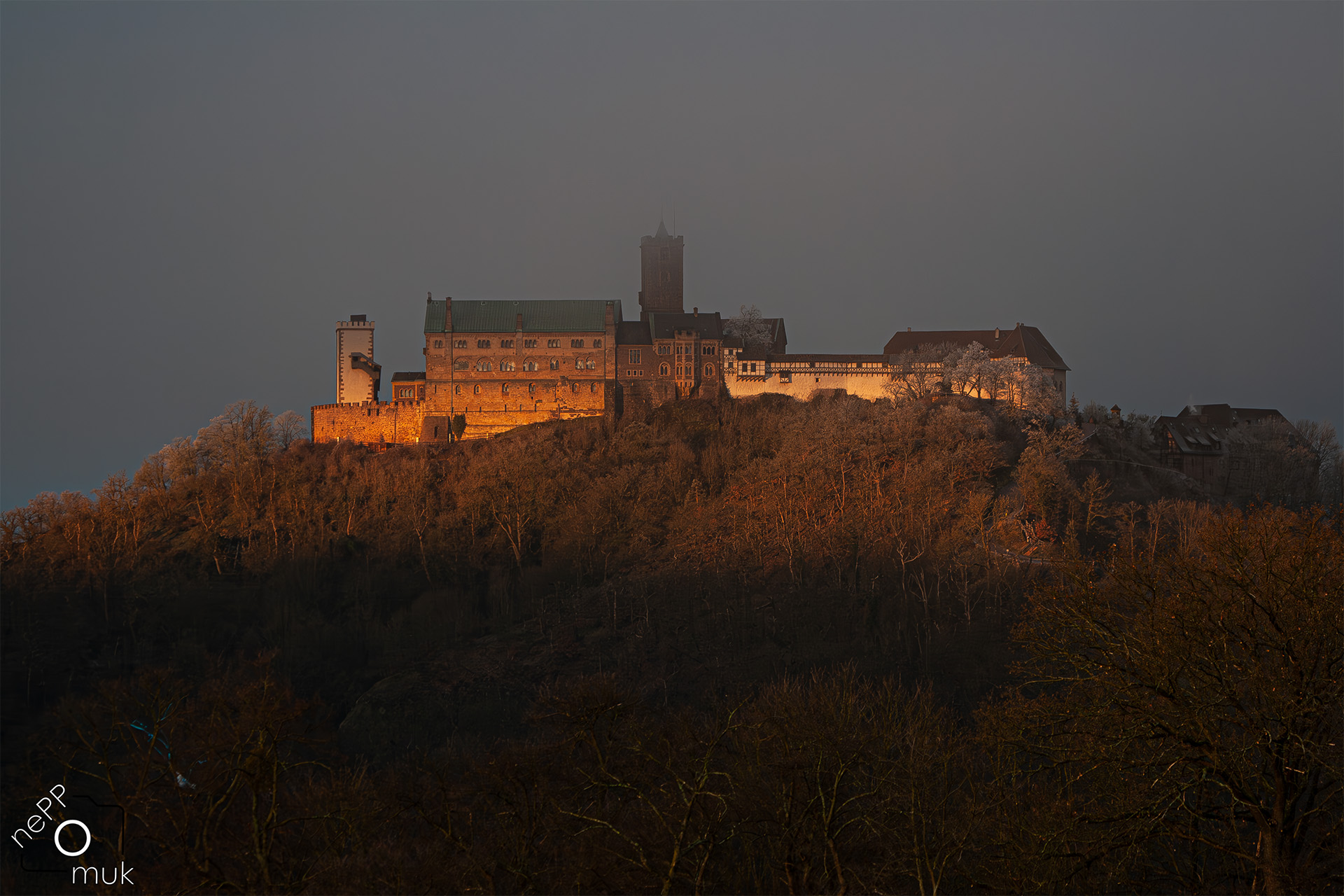
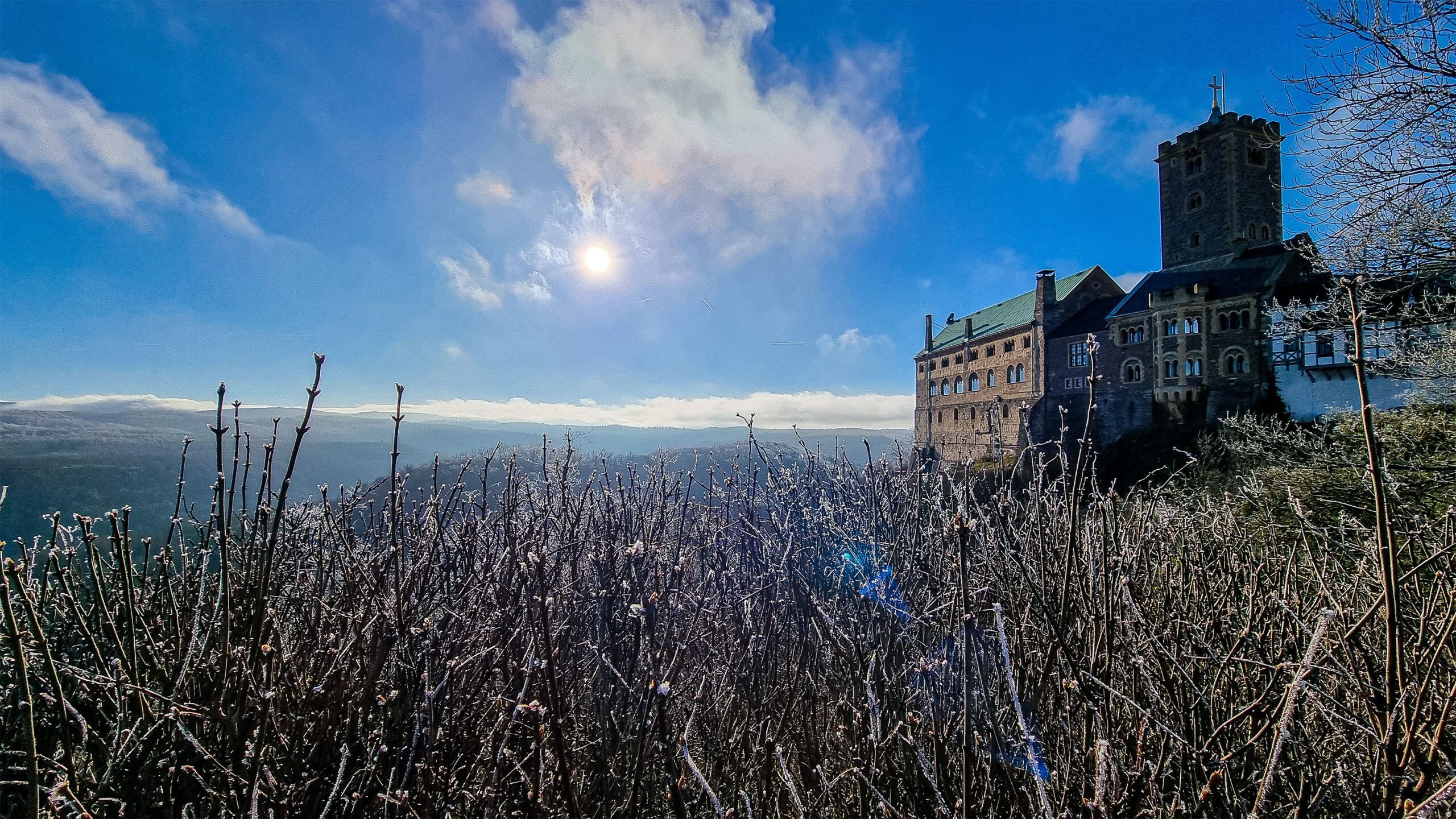
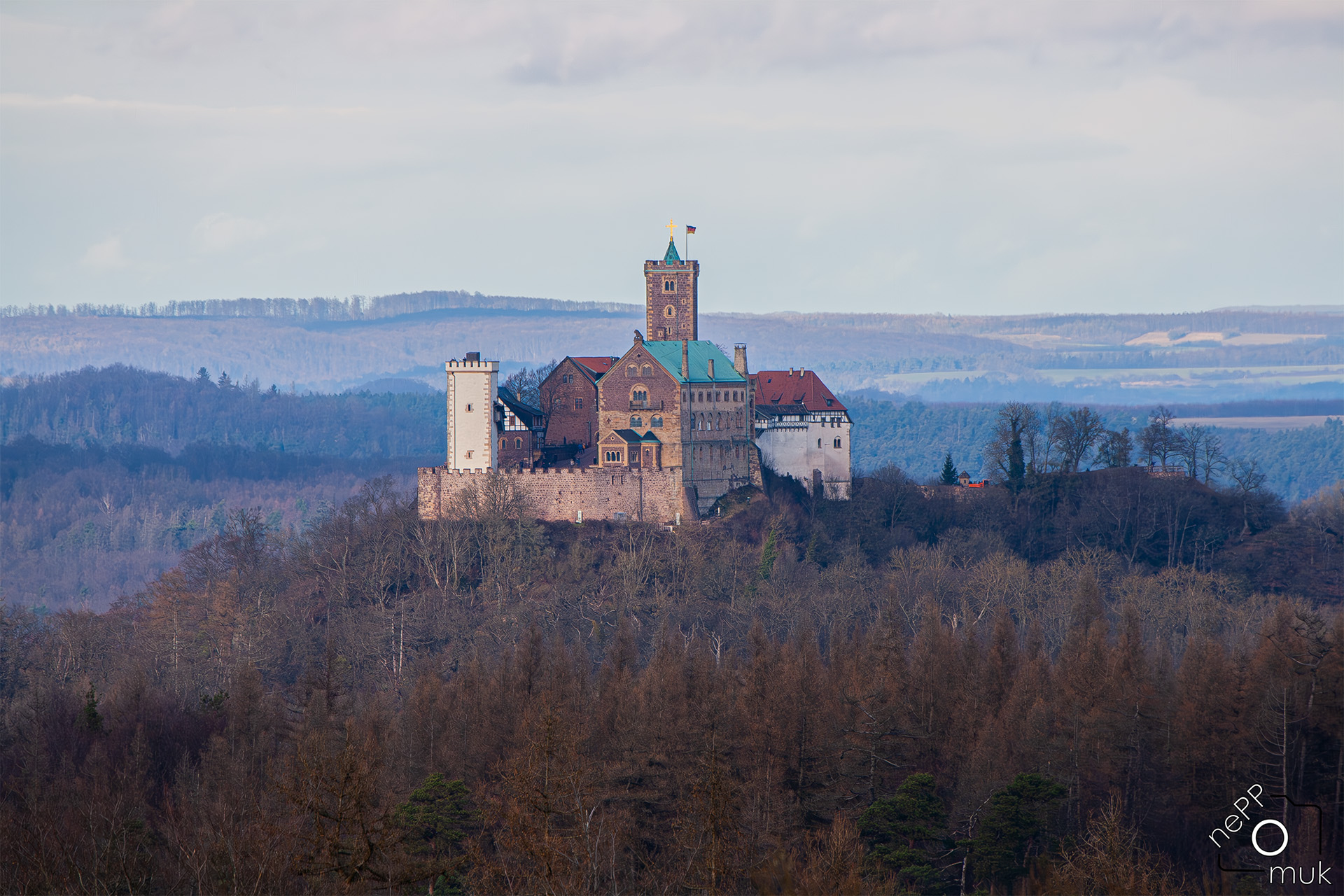
DThe Wartburg, majestically towering over the city of Eisenach, is one of Germany’s best-known landmarks and a UNESCO World Heritage Site. Founded around 1067, the castle is a living testament to European history, culture, and architecture. Its significance reaches far beyond Thuringia and makes it a popular destination for tourists from all over the world.
Read more
The Wartburg played a central role in German history. In the early 13th century, it was the site of the legendary Sängerkrieg, which inspired Richard Wagner’s opera “Tannhäuser.” It became even more significant in the 16th century, when Martin Luther found refuge here. During his exile, Luther translated the New Testament into German – a groundbreaking achievement that shaped the Reformation and the development of the German language.
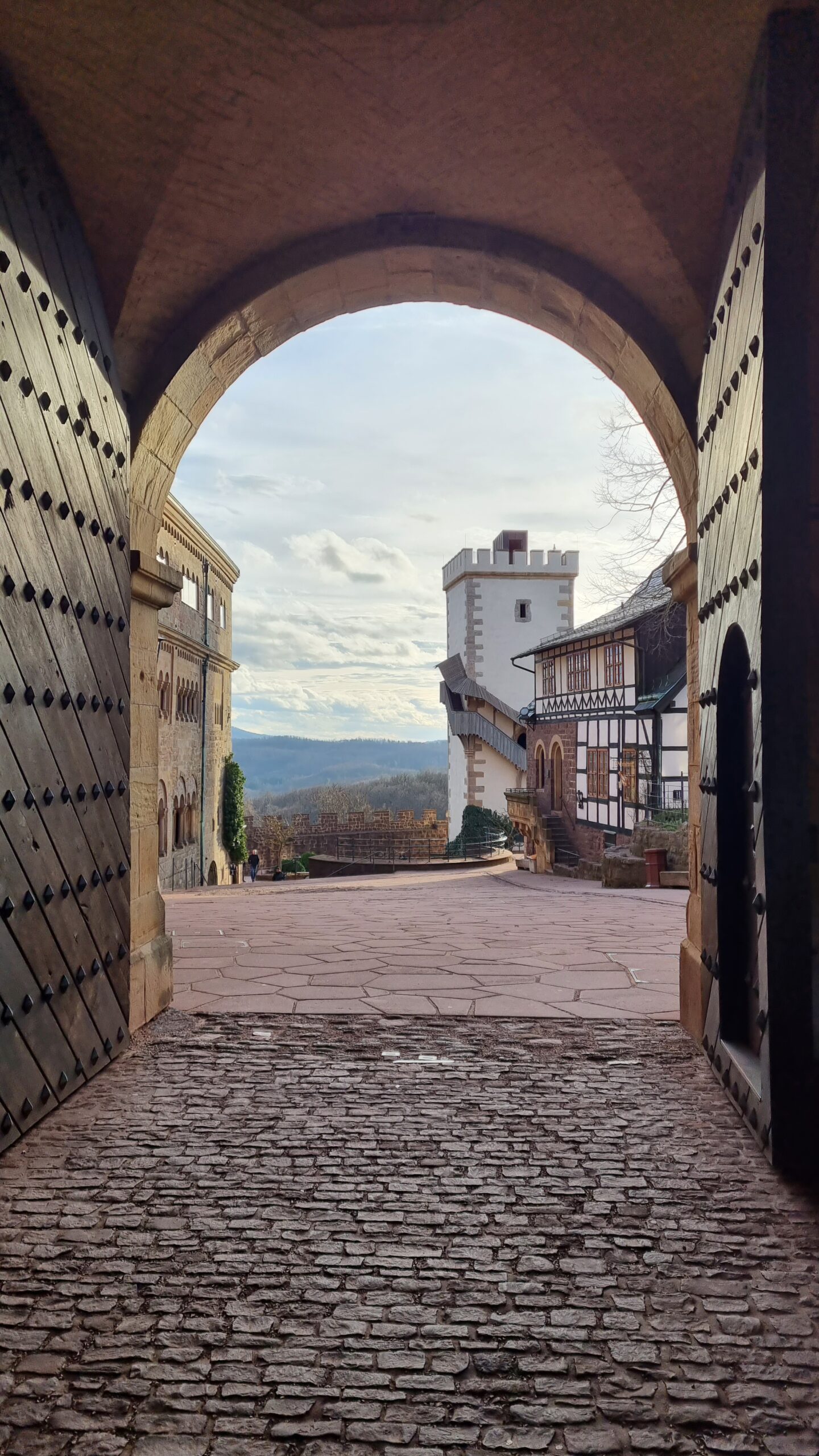
The castle itself impresses with its well-preserved buildings, which combine architectural styles from different eras. Particularly worth seeing are the Palas, the main building with magnificent halls, and the Luther room, where Luther carried out his translation work. The chapel and the castle courtyard, with breathtaking views of the surrounding forests, are also highlights for visitors.
However, the Wartburg is not only a historic site, but also a symbol of German unity and culture. In the 19th century, it became the venue of the Wartburg Festival, a significant gathering of students who advocated national unity and freedom.
Today, the Wartburg offers a varied experience: from guided tours and museums to cultural events and concerts. Its unique connection of history, art, and nature makes it a place that combines past and present in a fascinating way – a must for every visitor to the Thuringian Forest.