Alcatraz Island
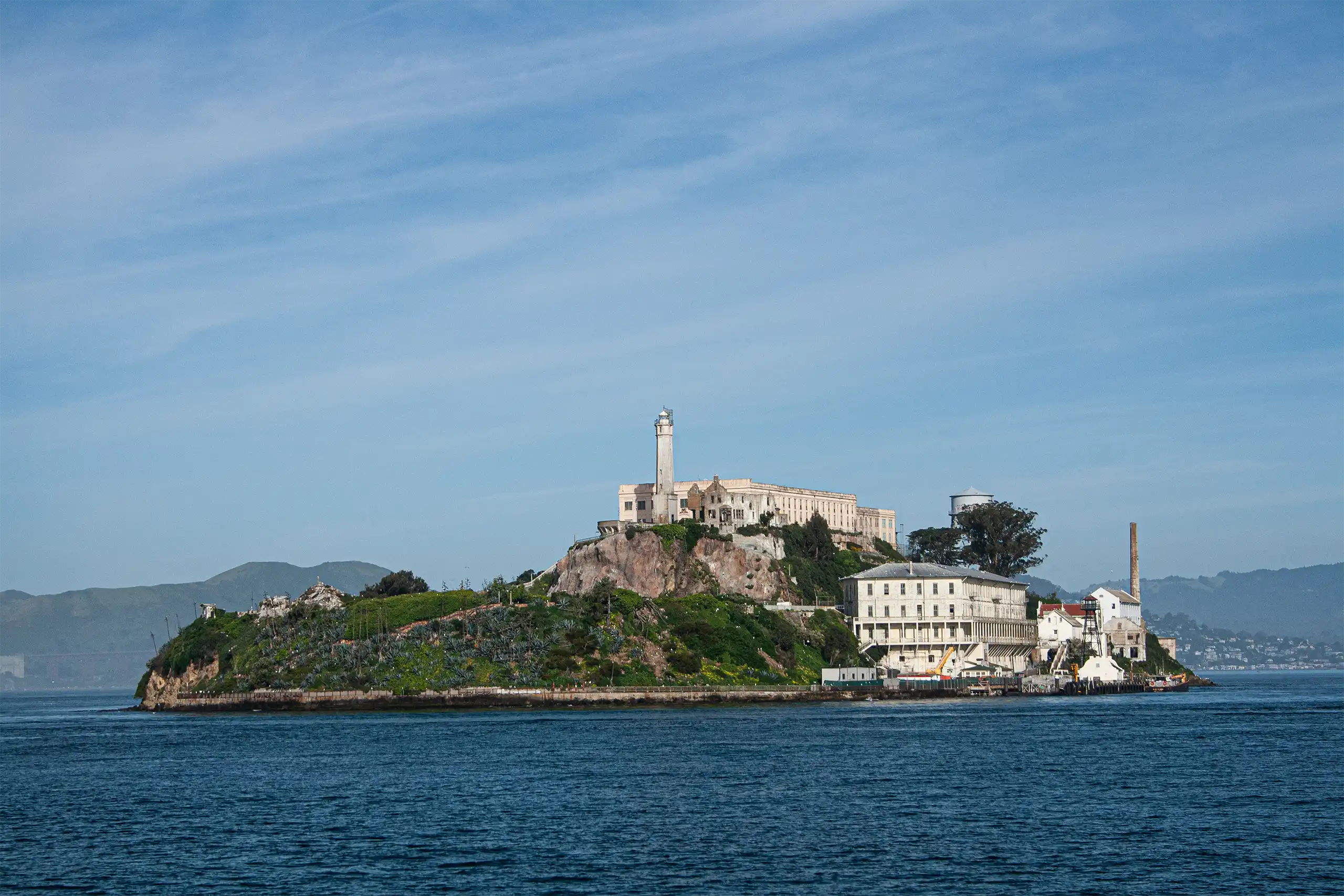
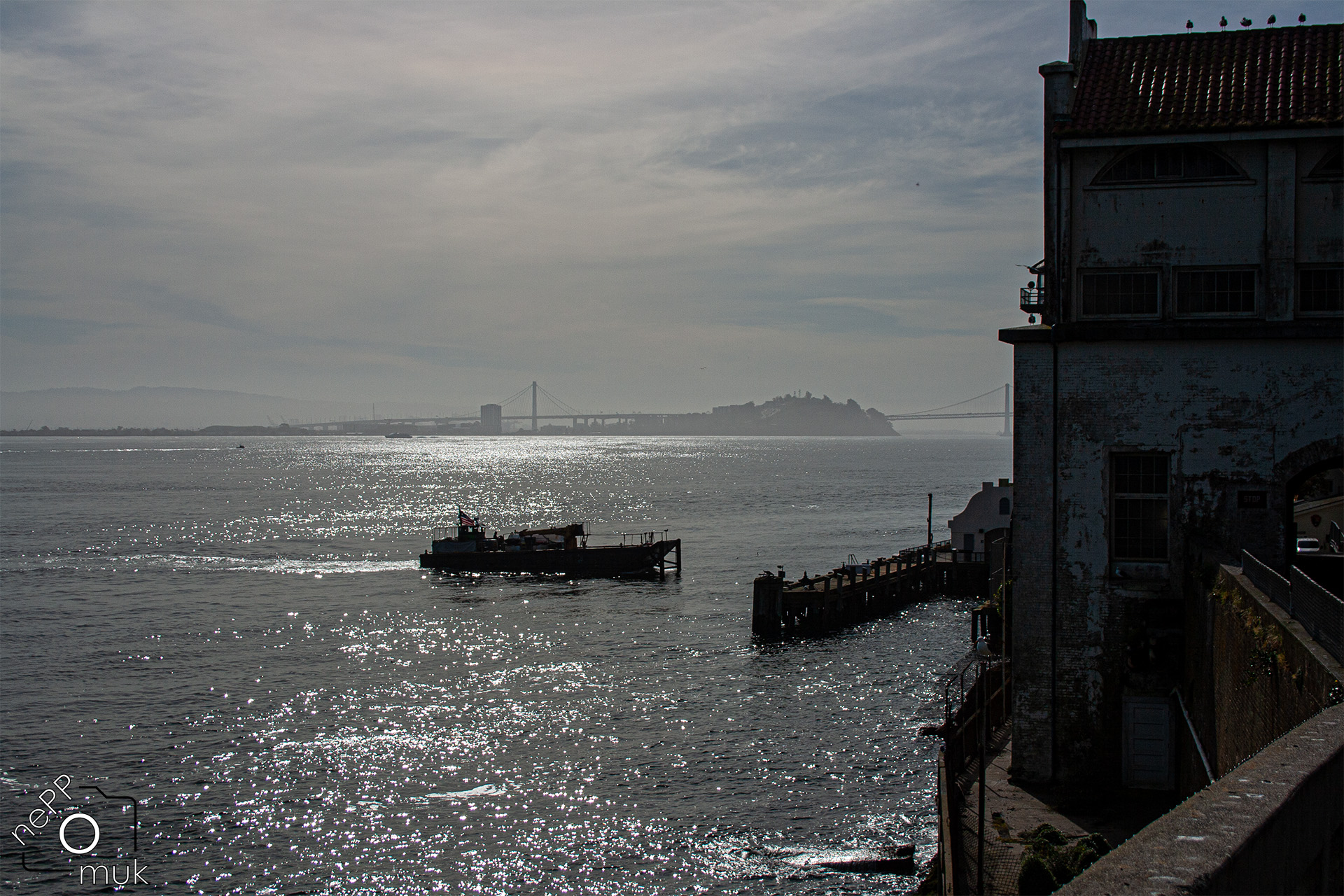
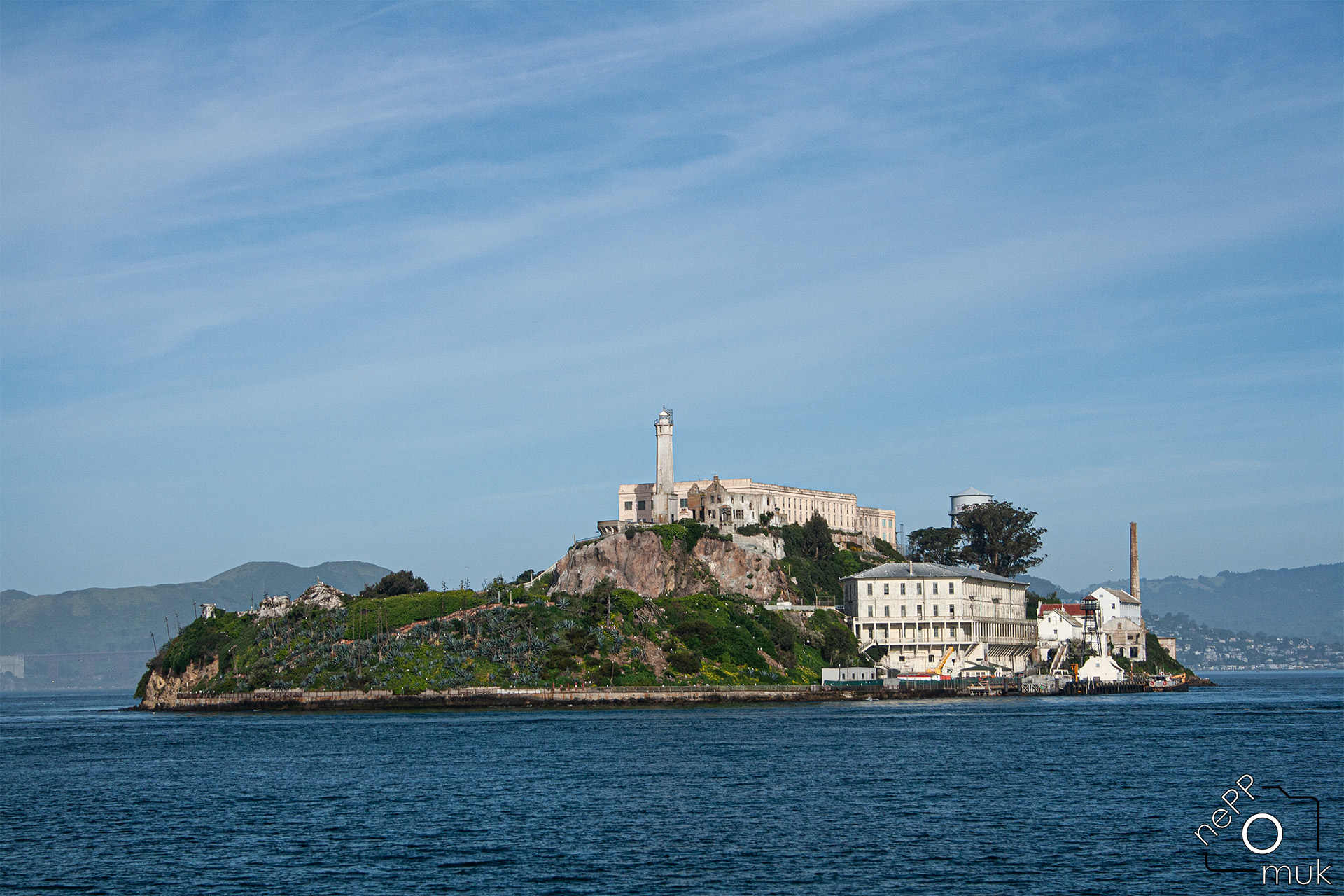
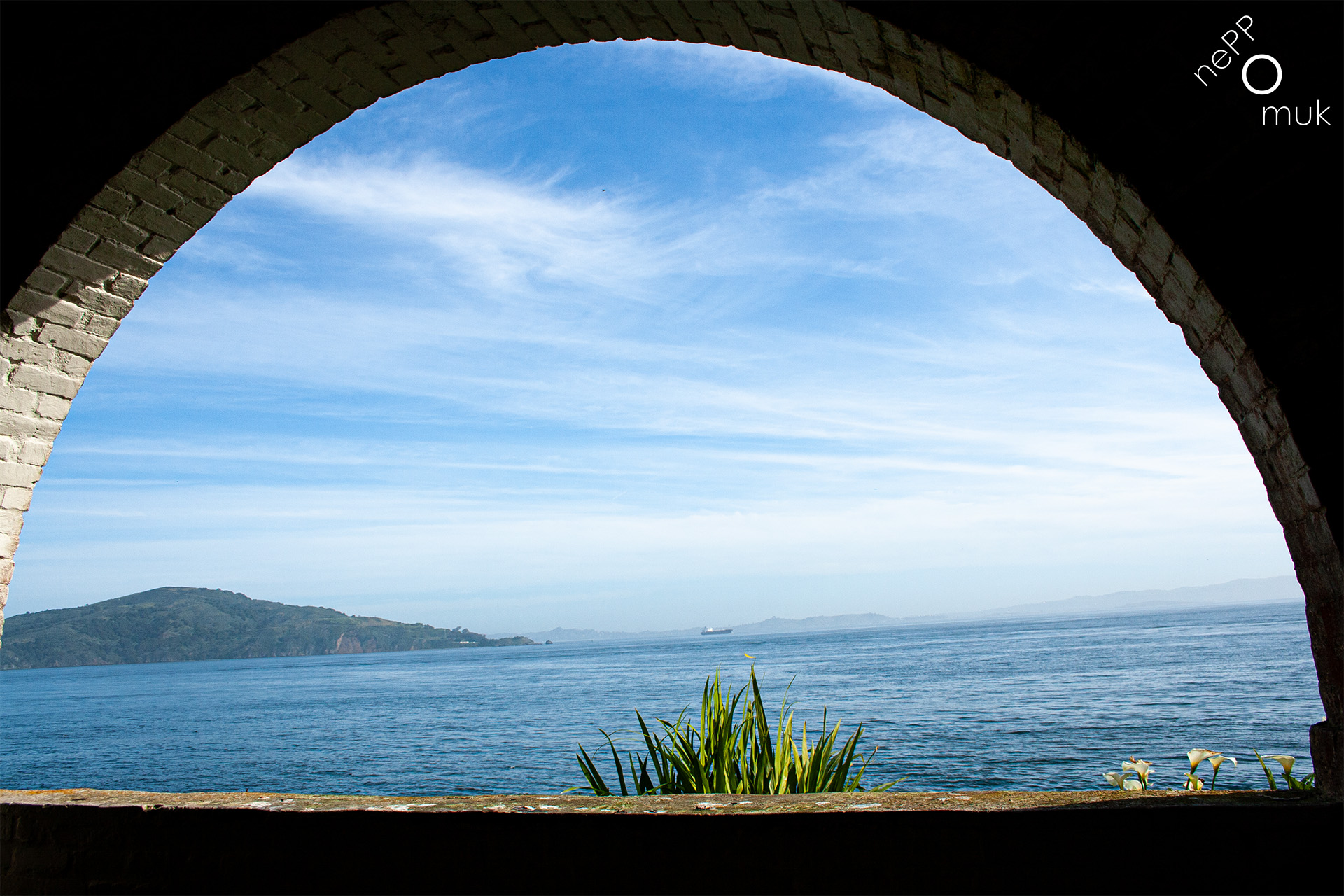
Alcatraz Island, in San Francisco Bay, has a captivating history. Once used as a military fortress and later as an infamous prison where criminals like Al Capone were held, the island was in operation from 1934 to 1963. Today, Alcatraz Island is a fascinating national park that attracts visitors with its dark past, stunning views, and legendary escape attempts.
The most spectacular escape
in Alcatraz history.

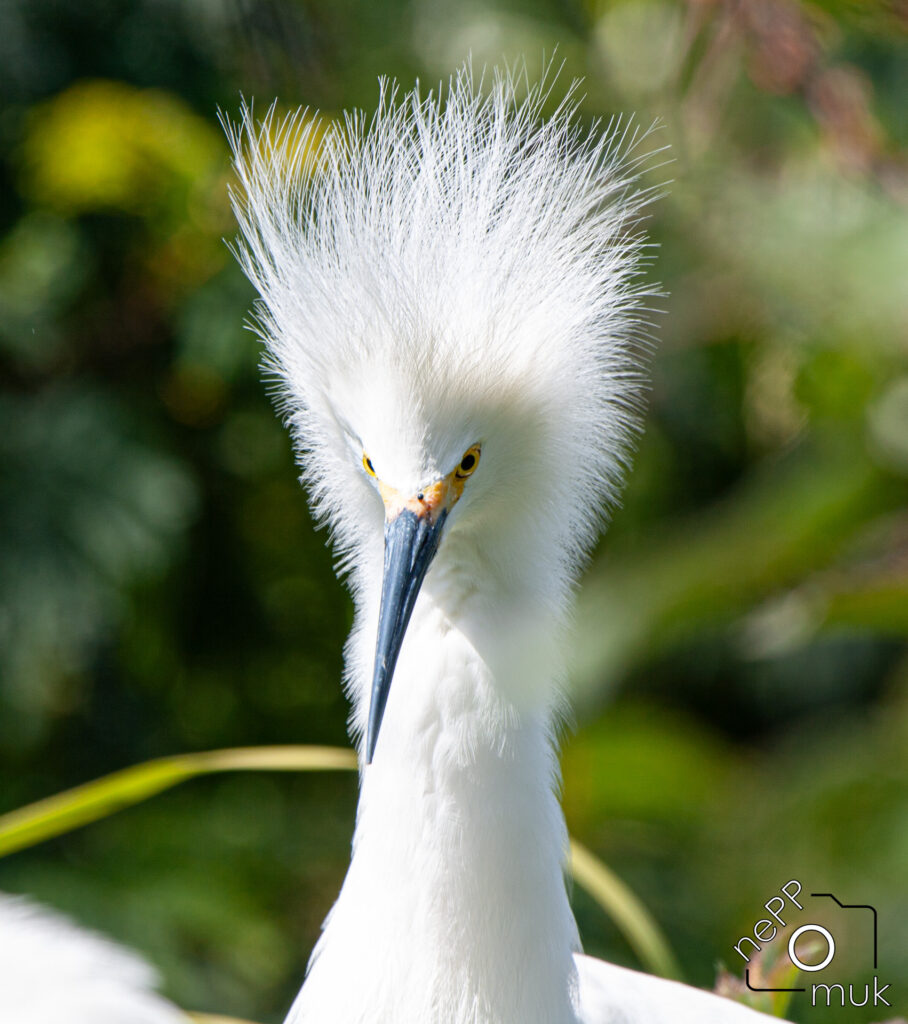
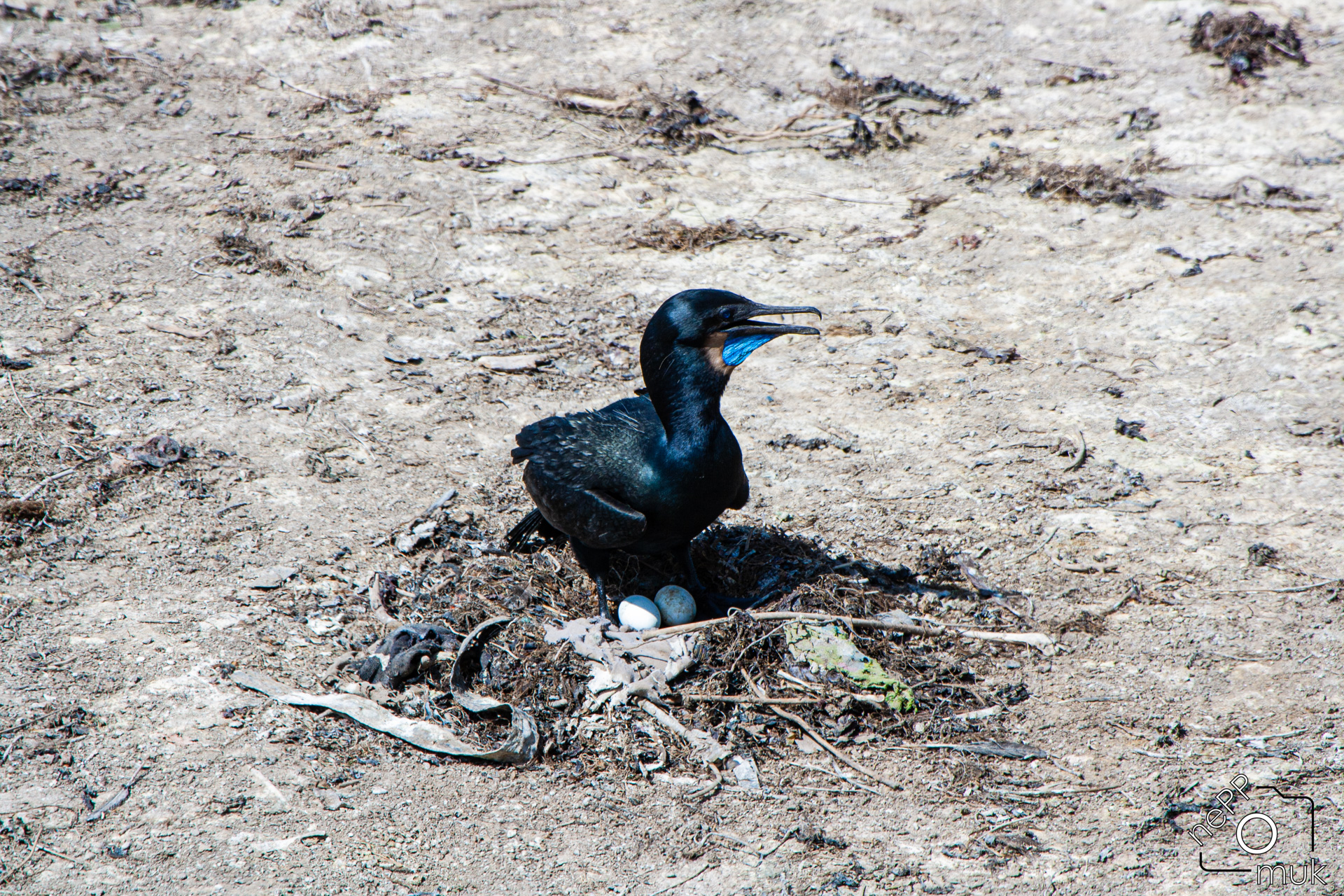
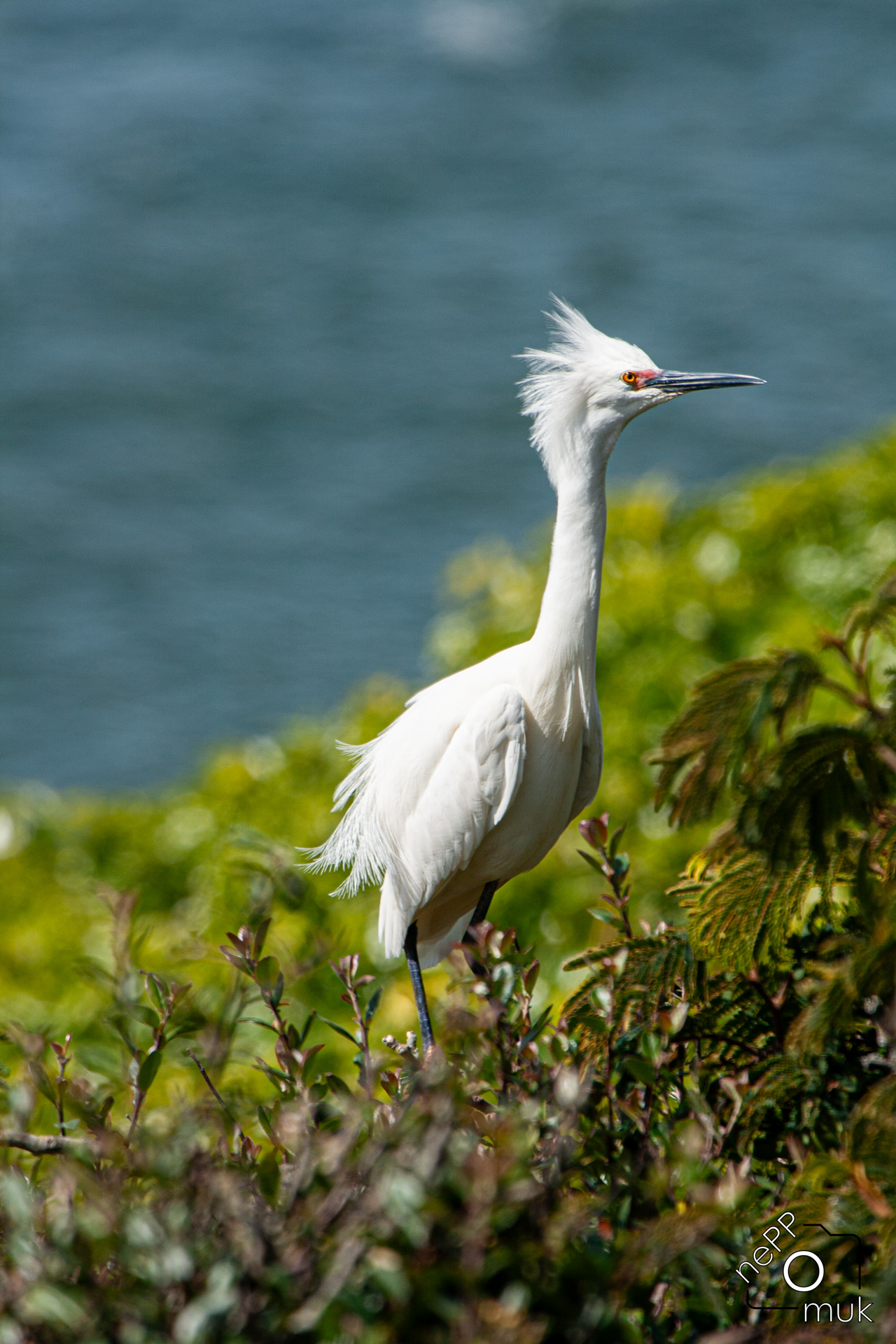
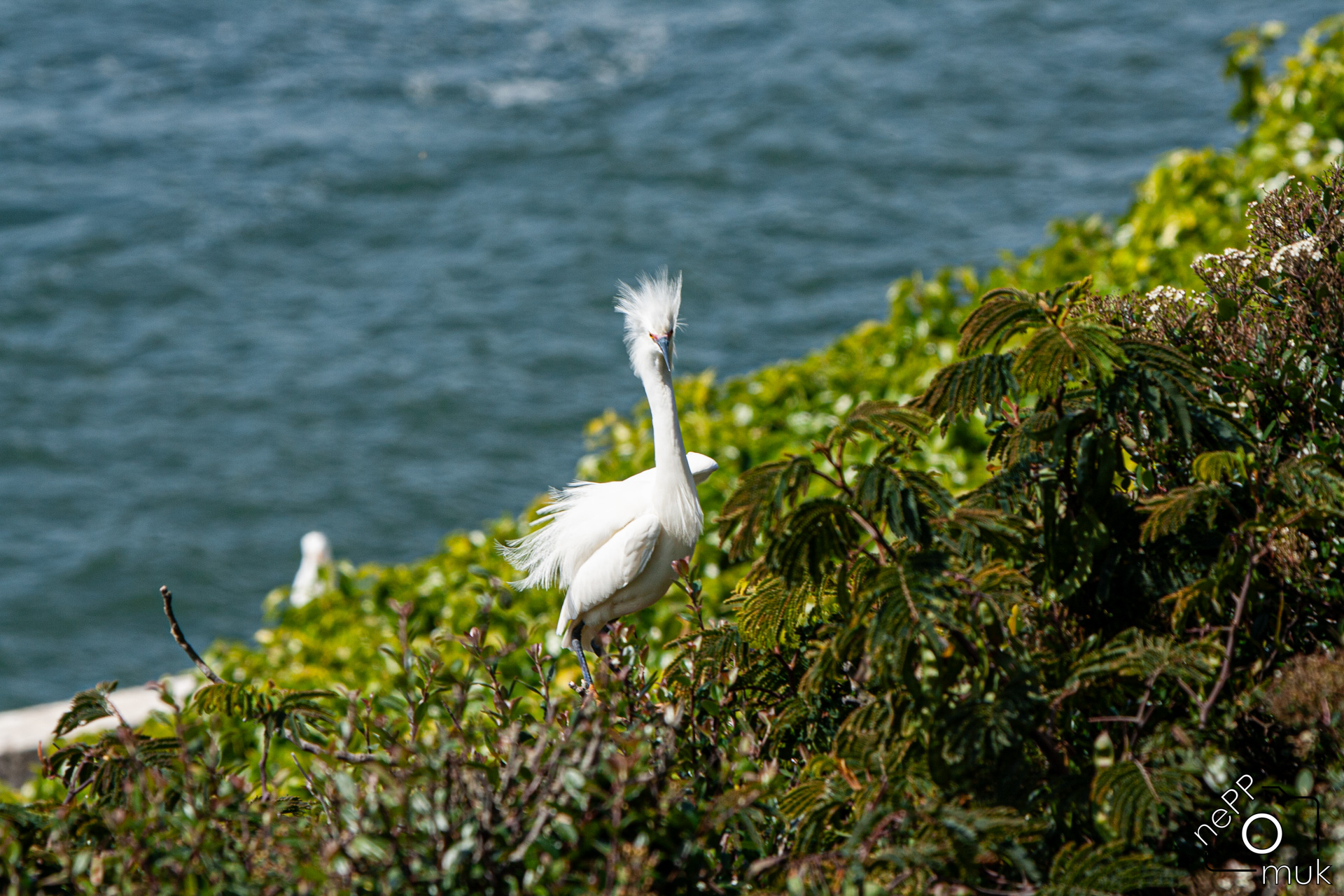
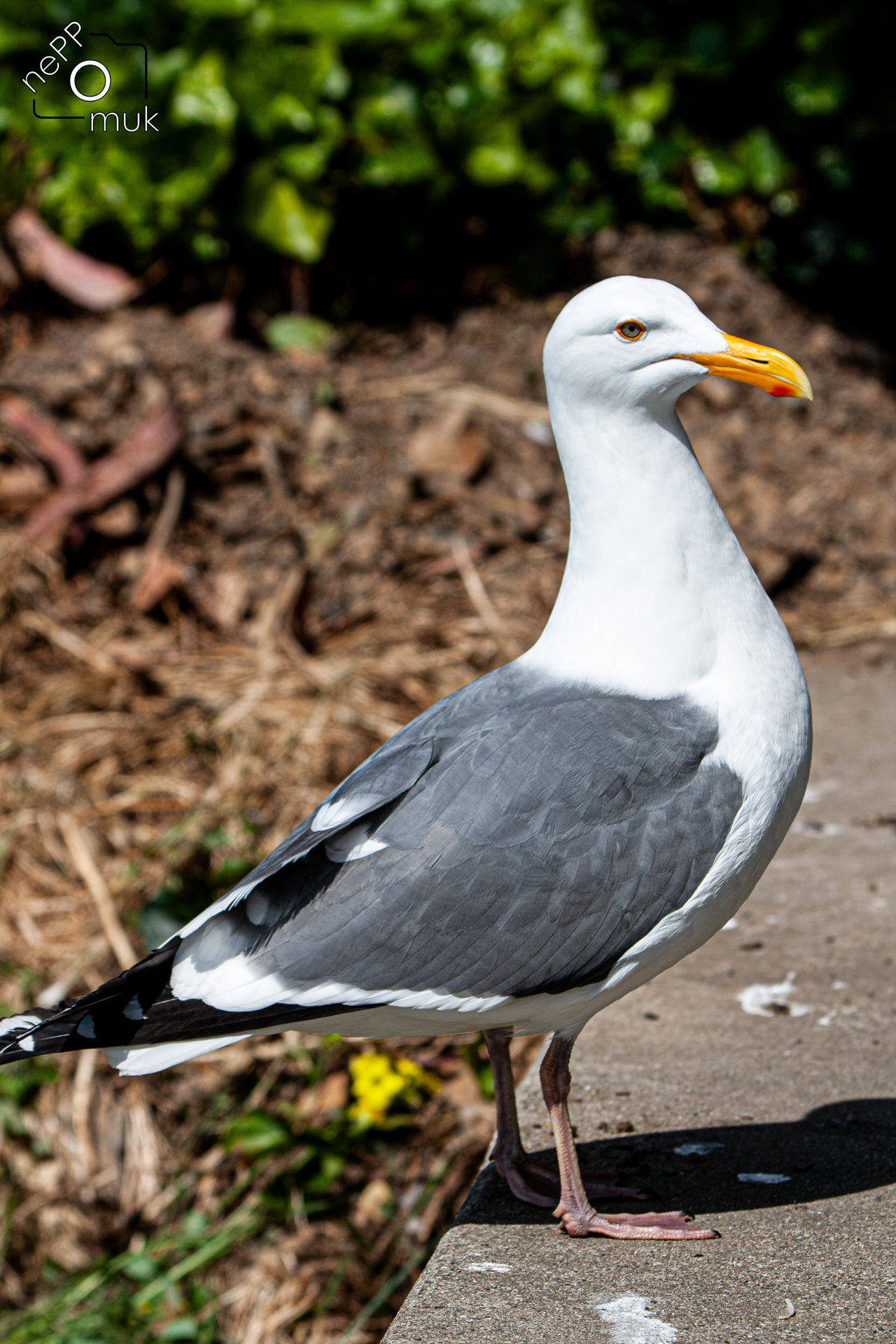
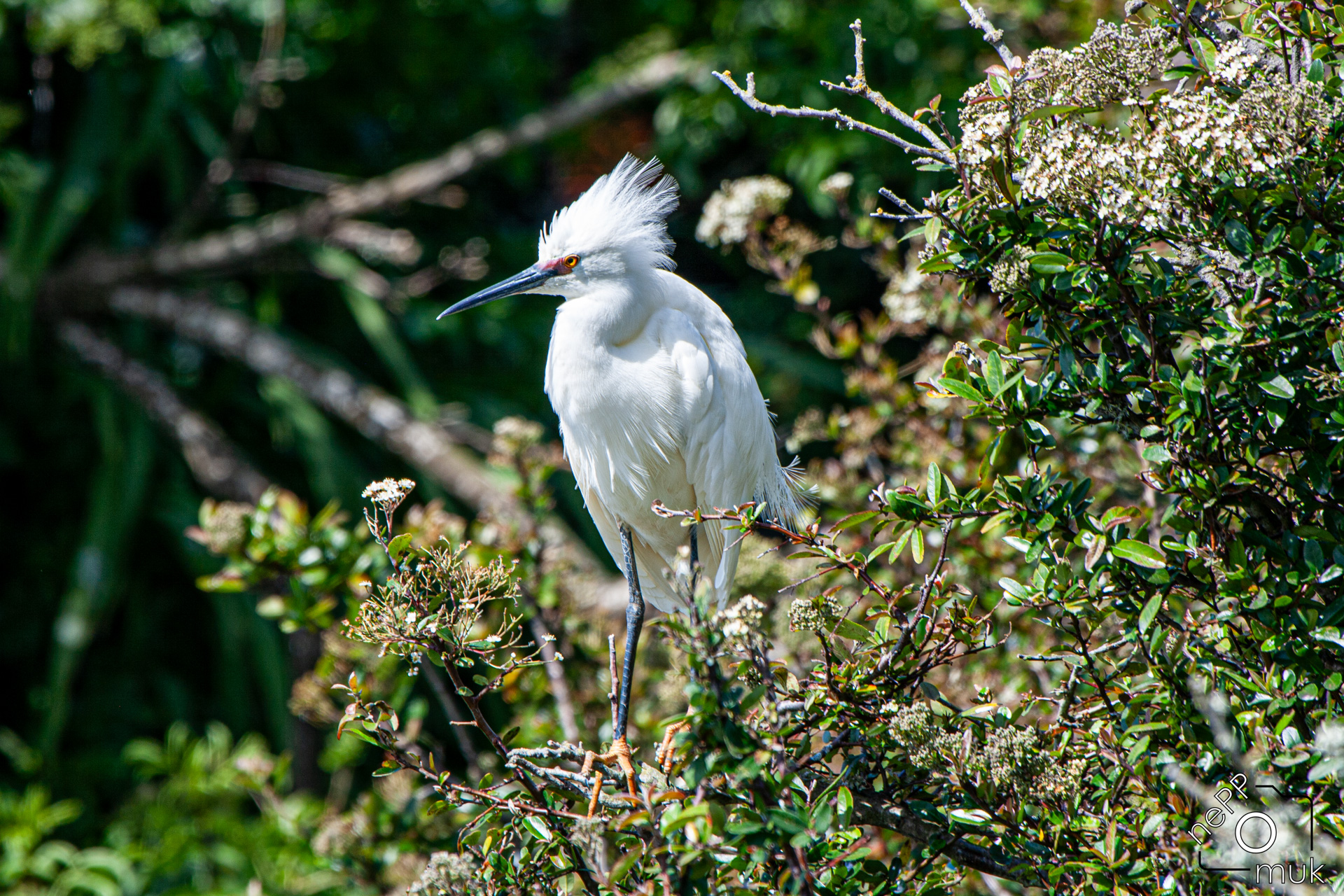
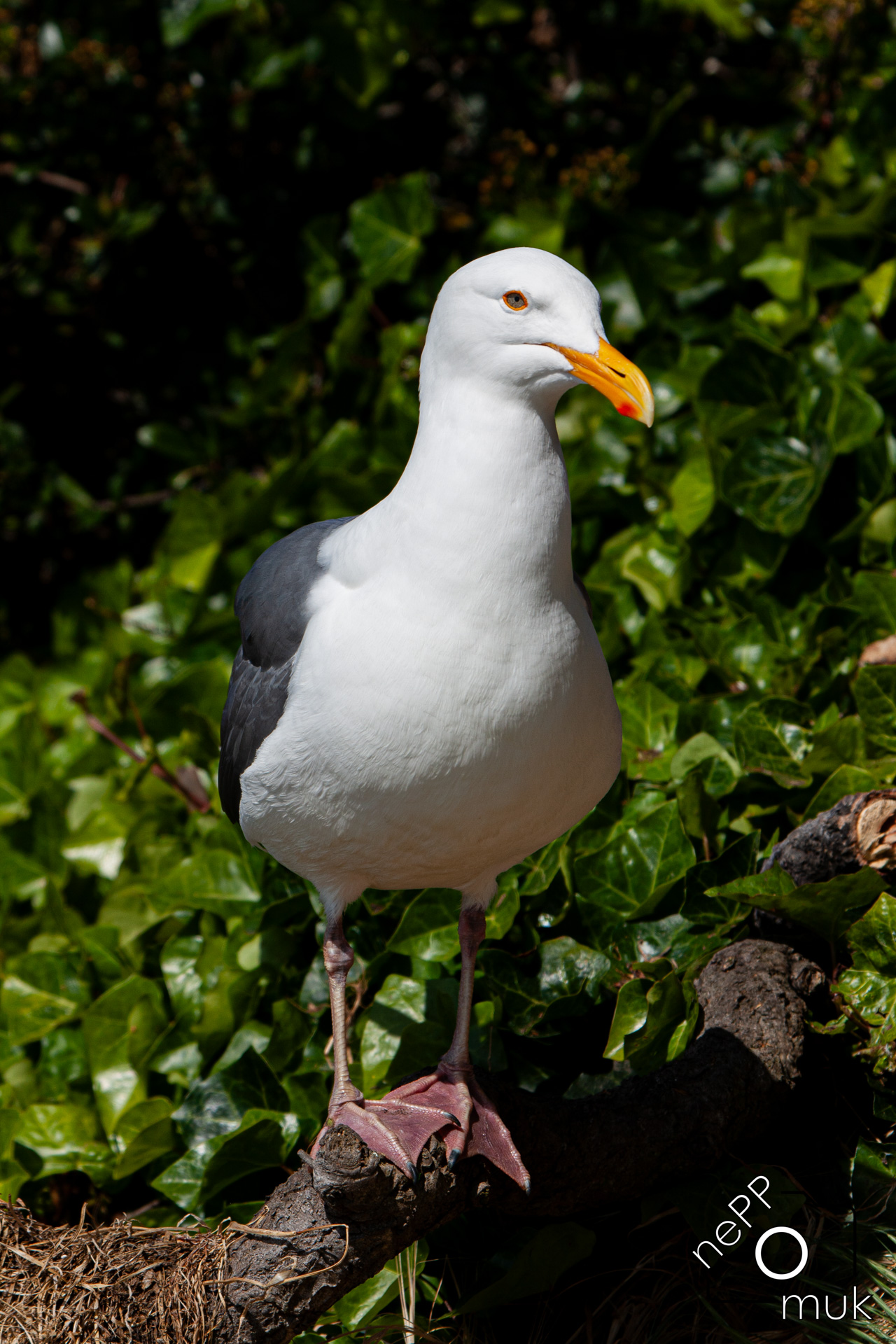
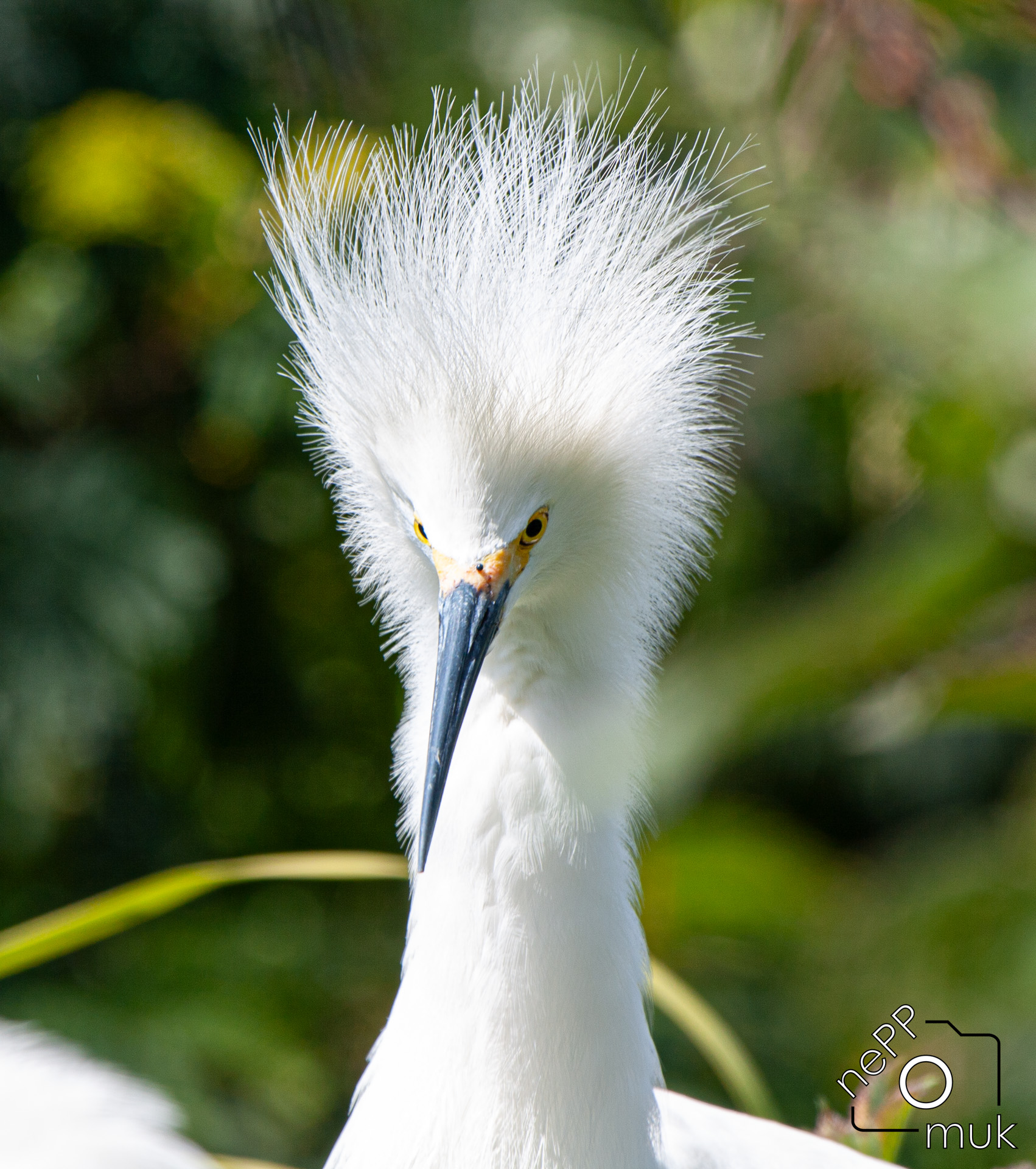
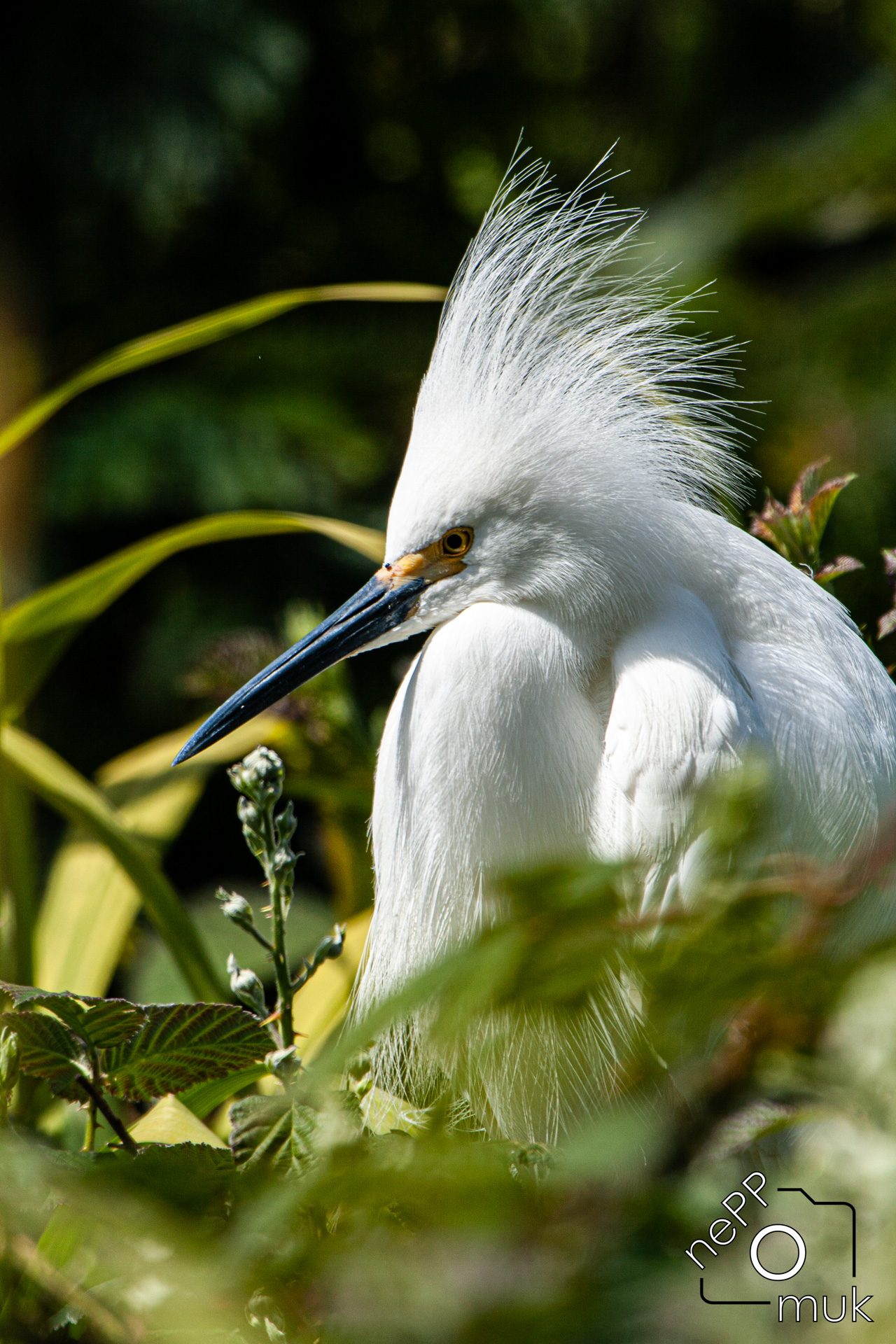
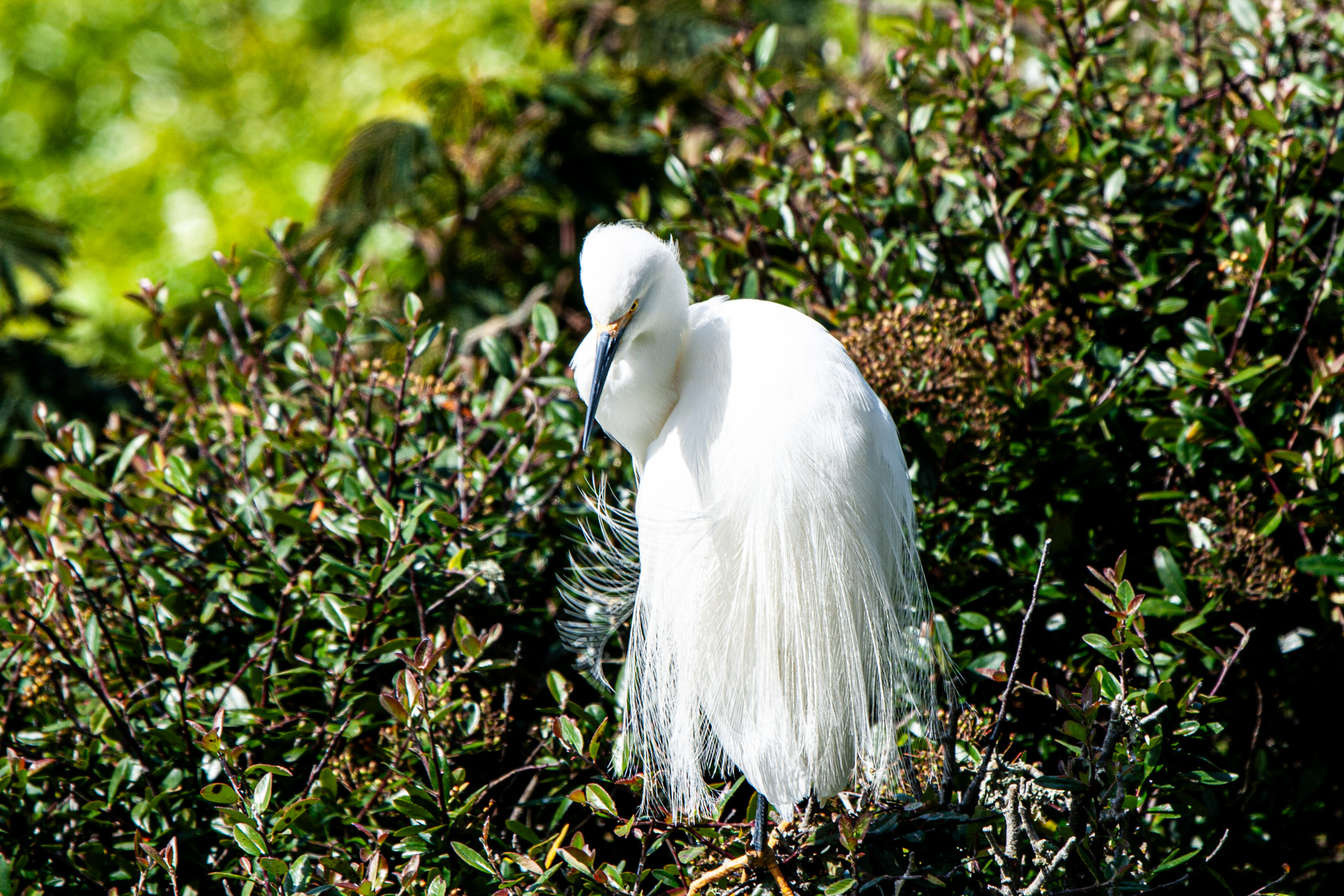
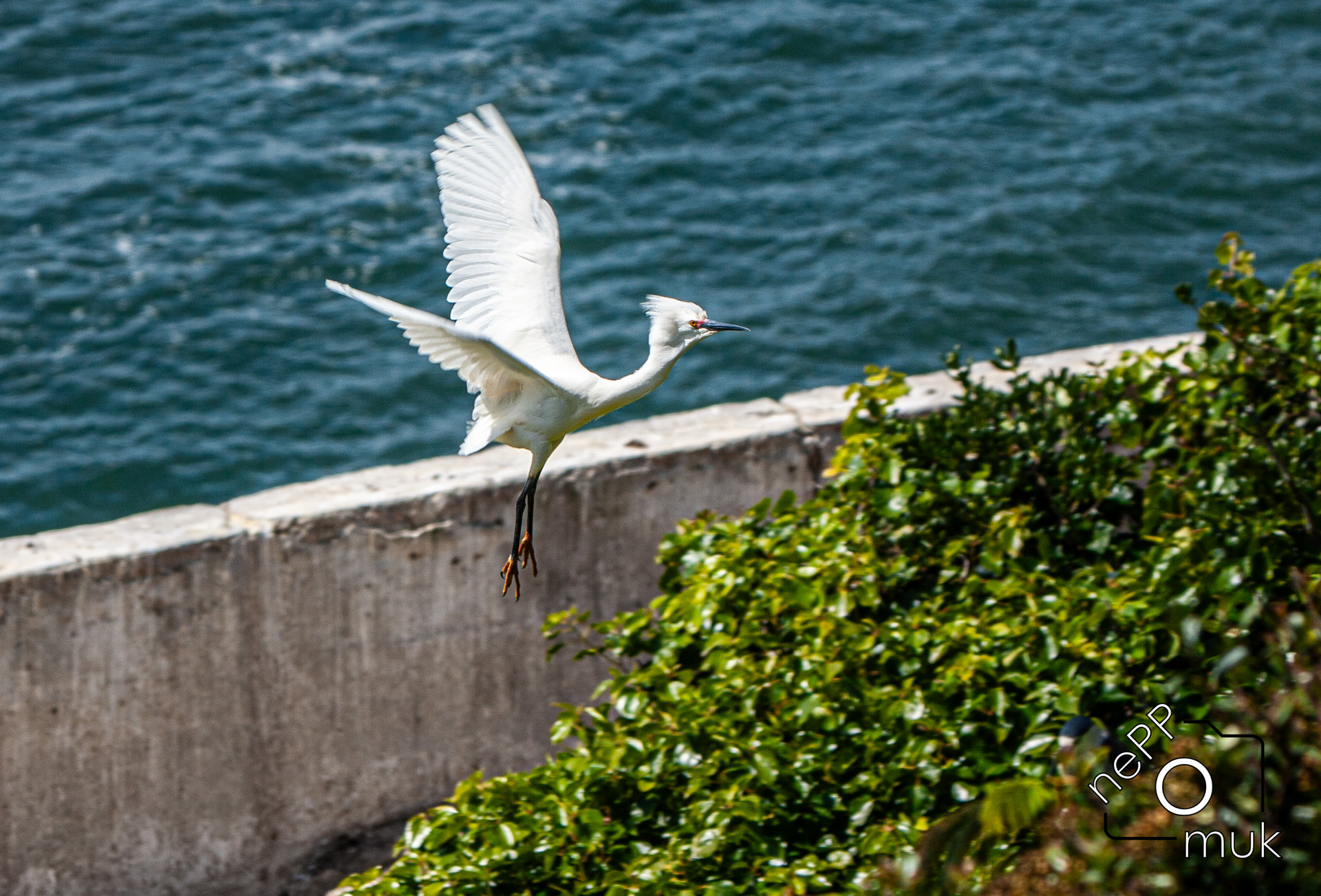
Snowy egrets and gulls –
nature instead of maximum security.
Alcatraz Island
Alcatraz
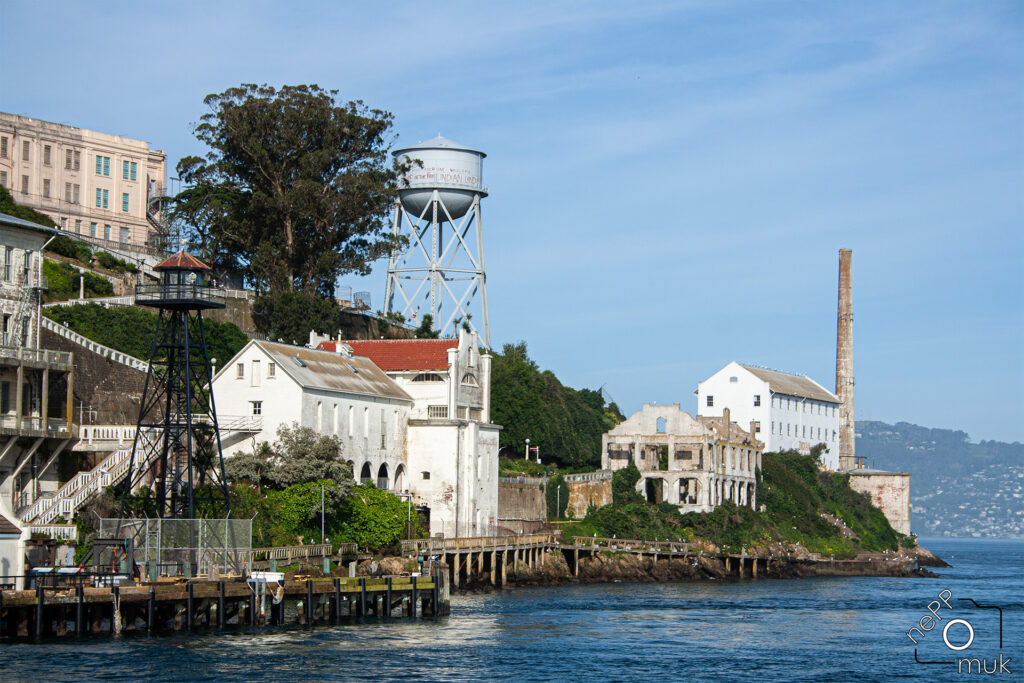
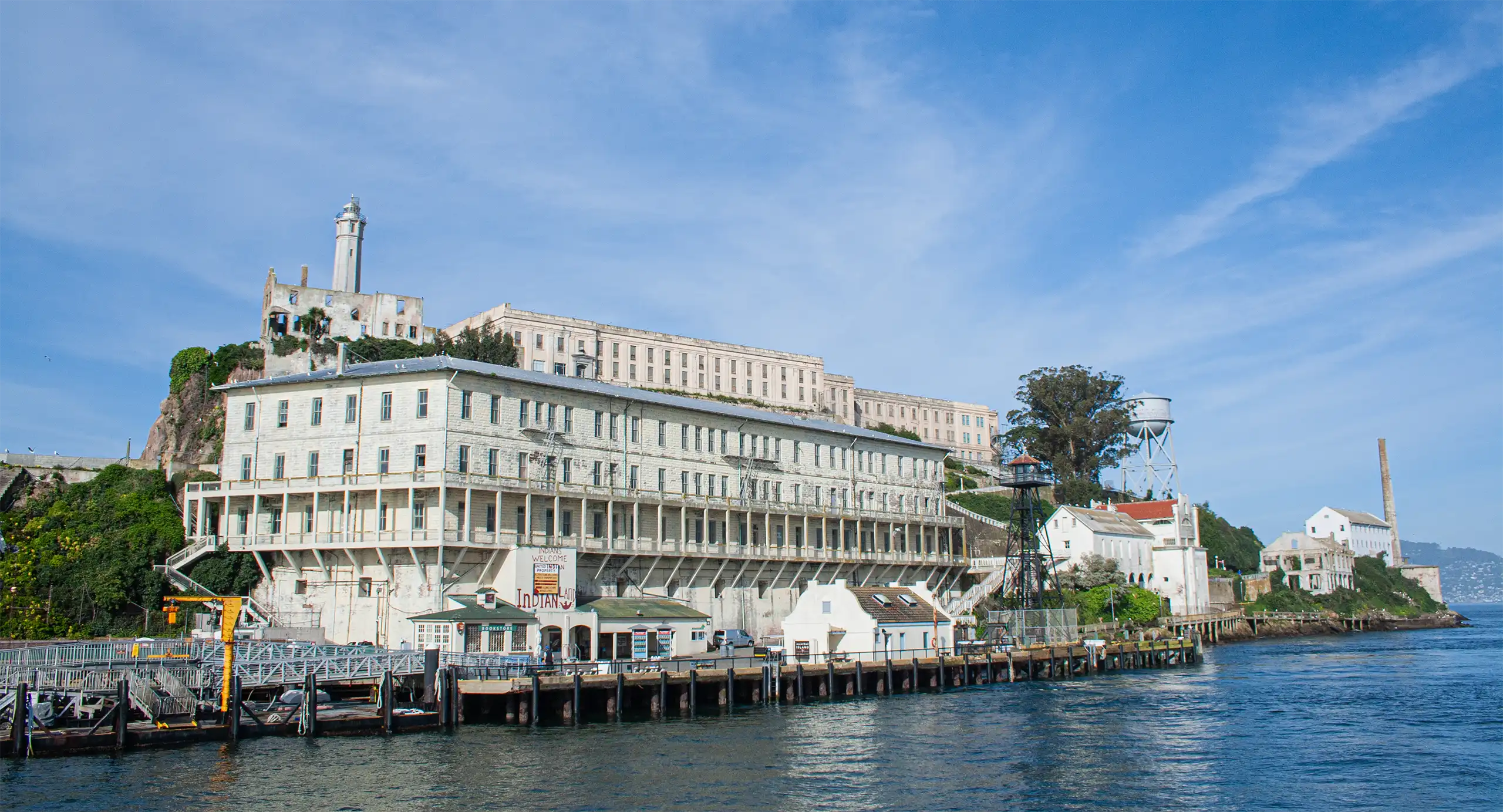
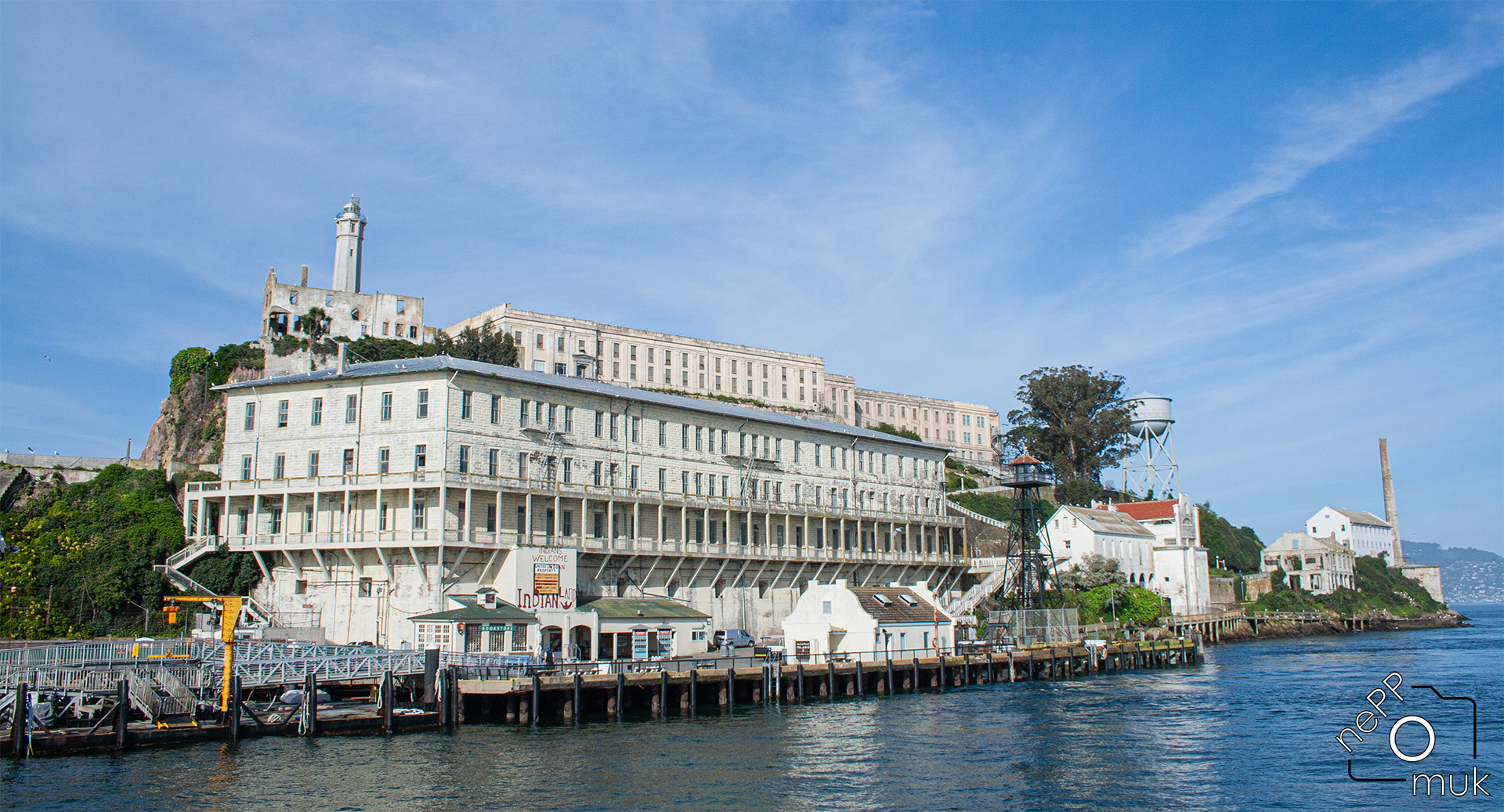
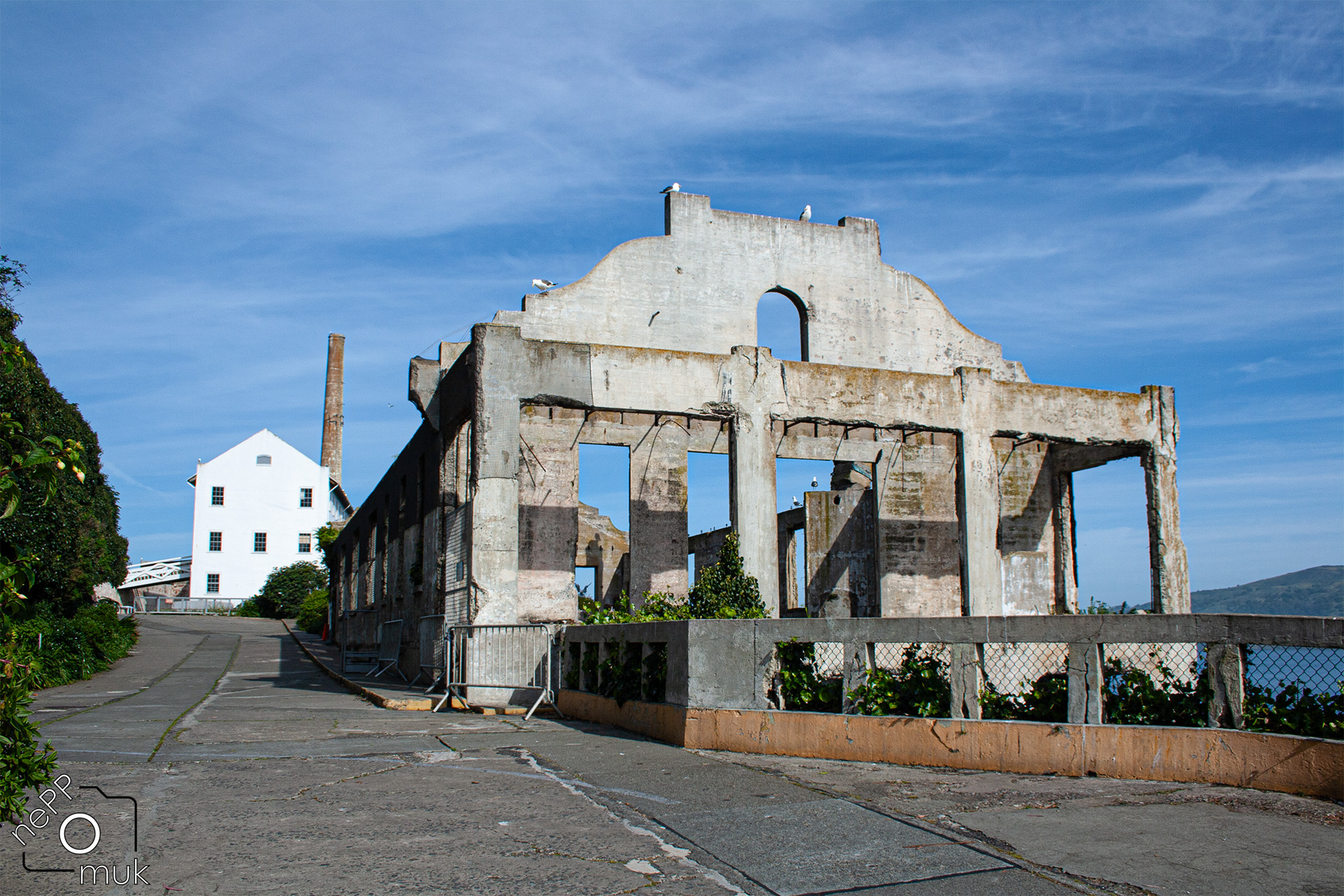
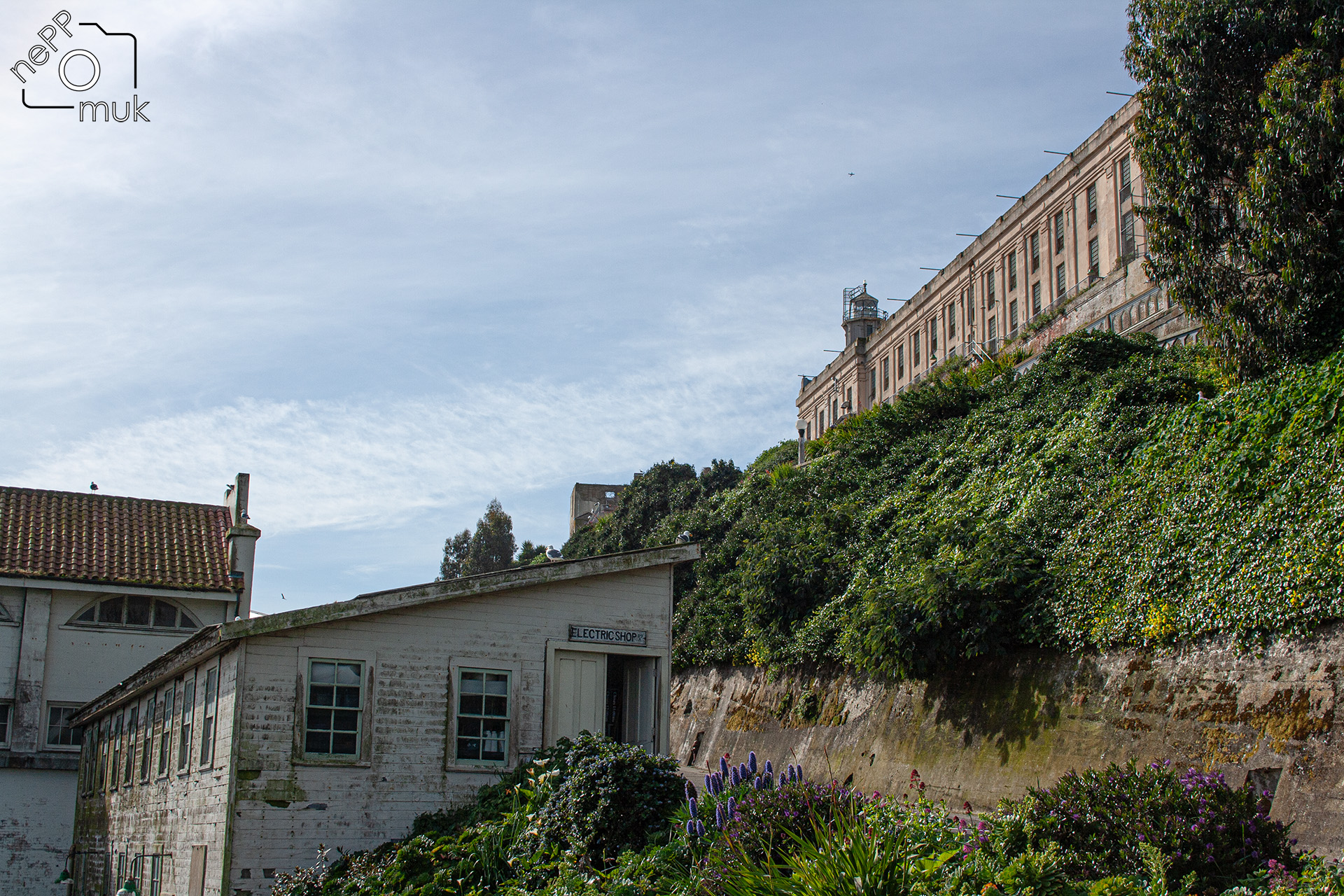
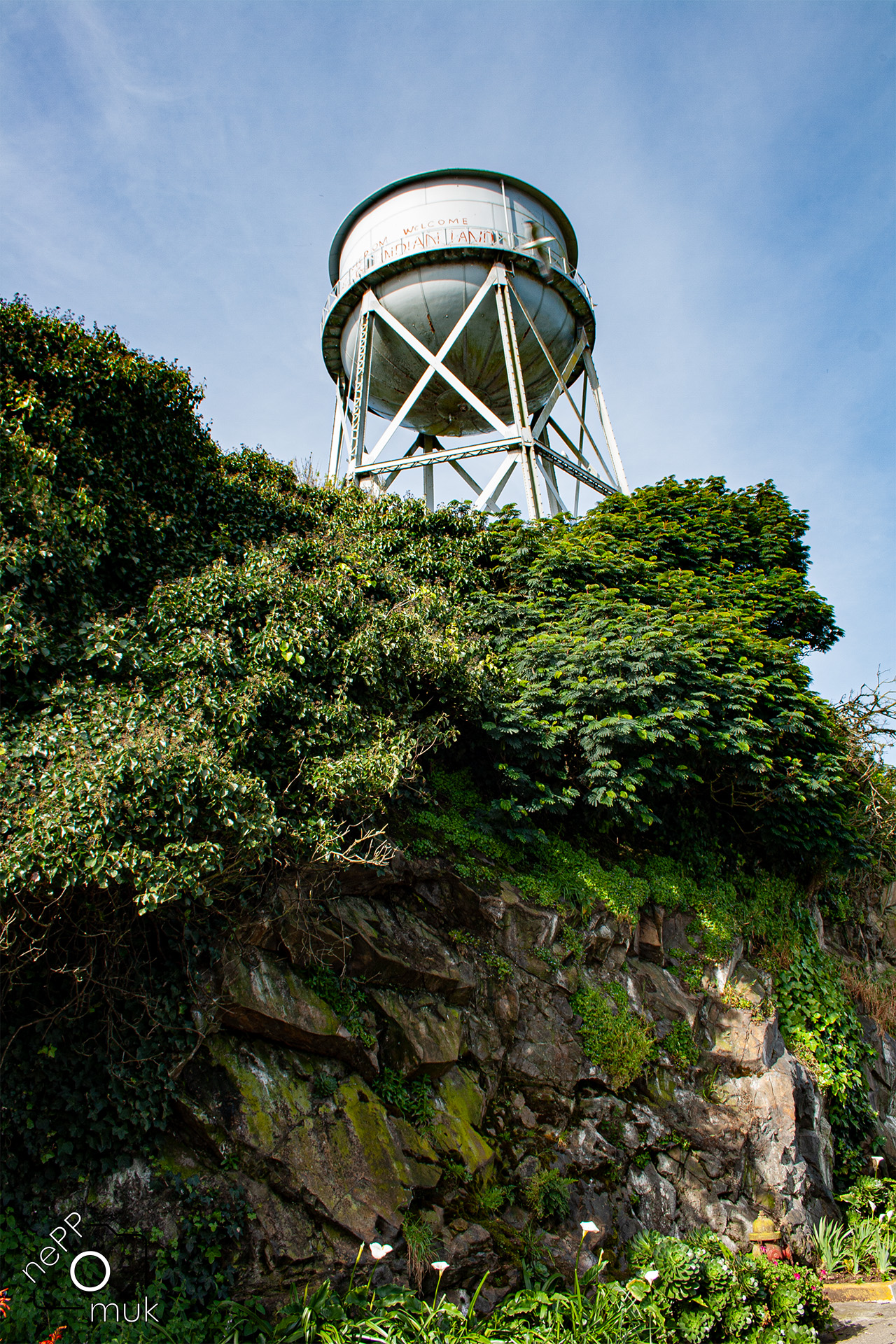
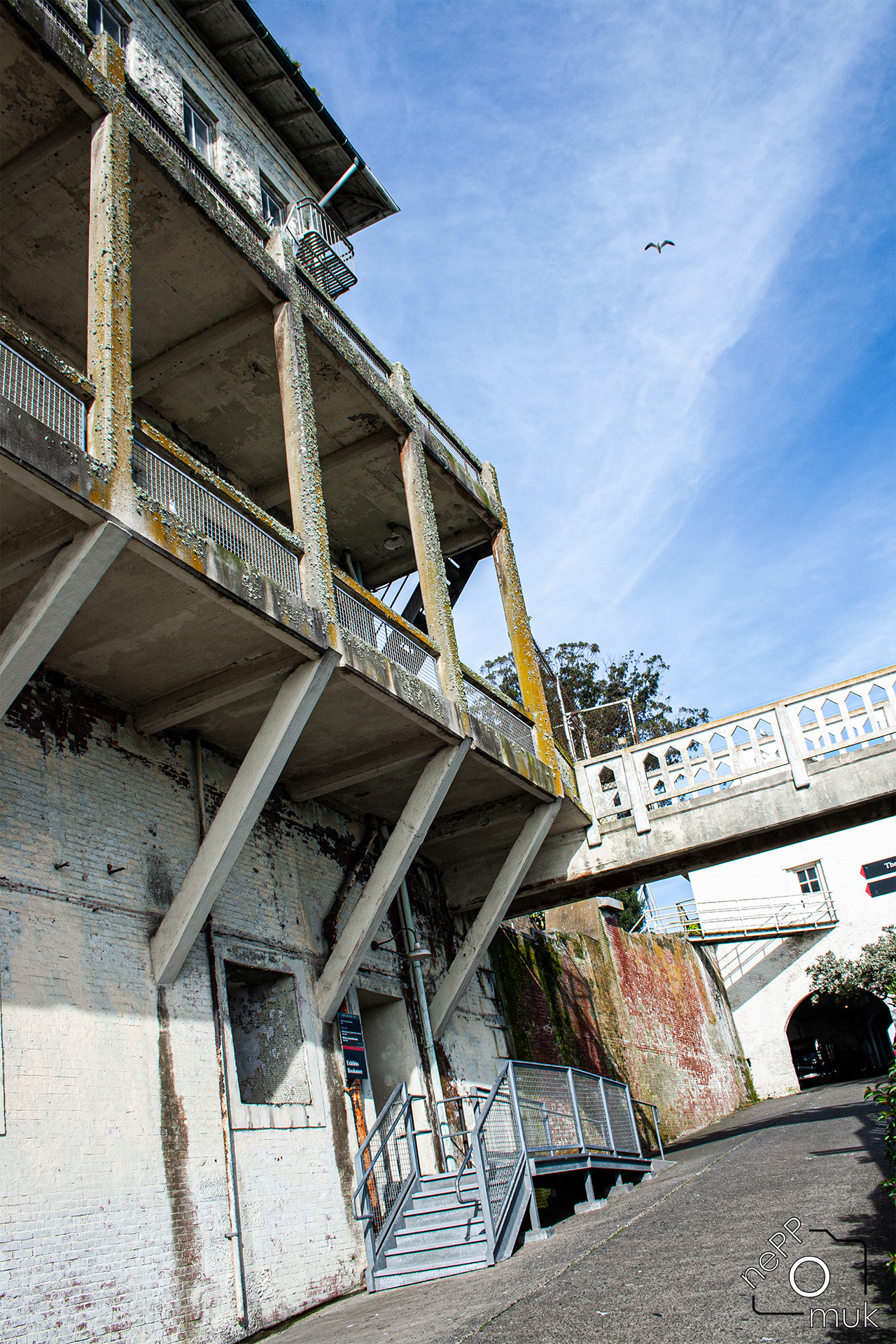
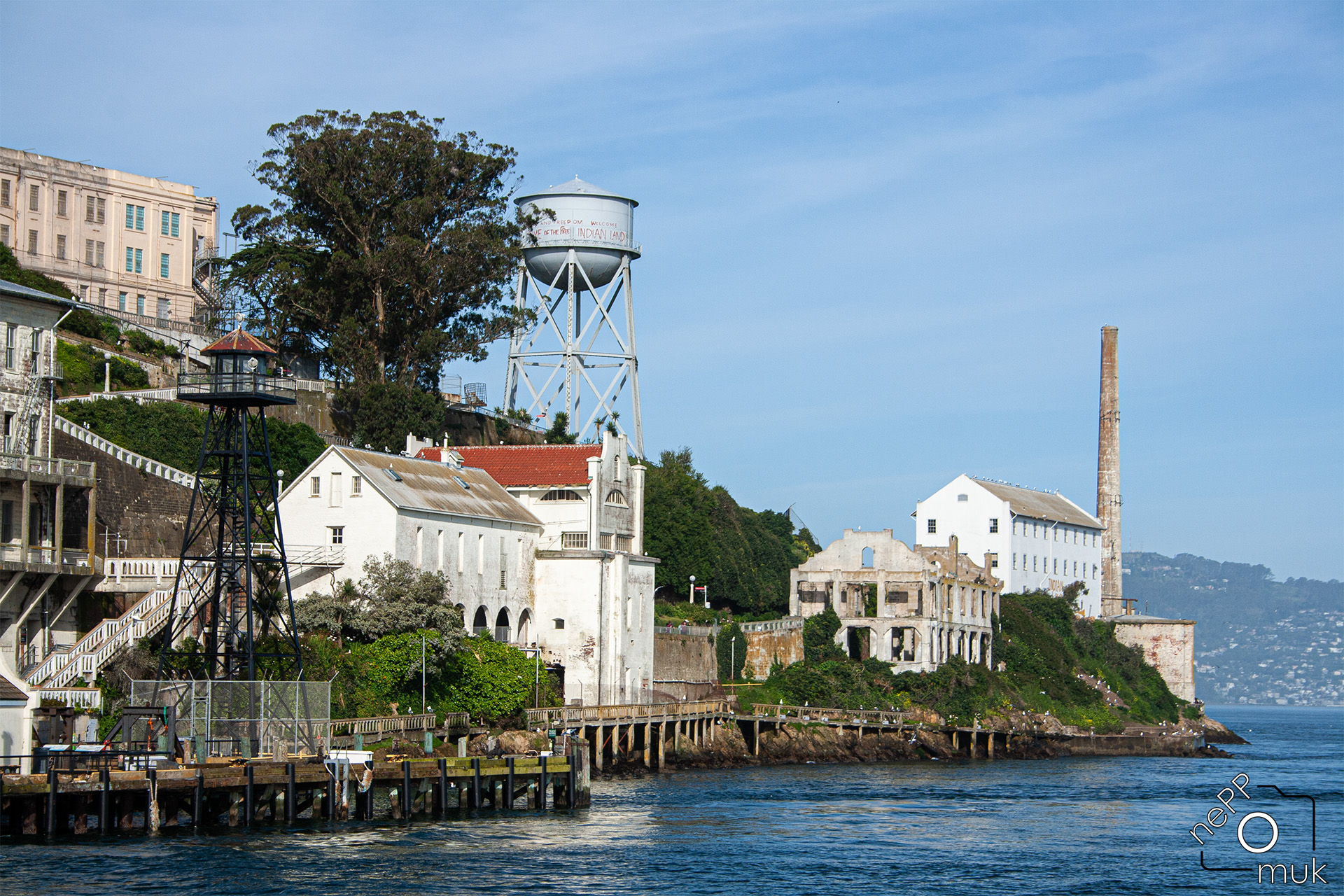
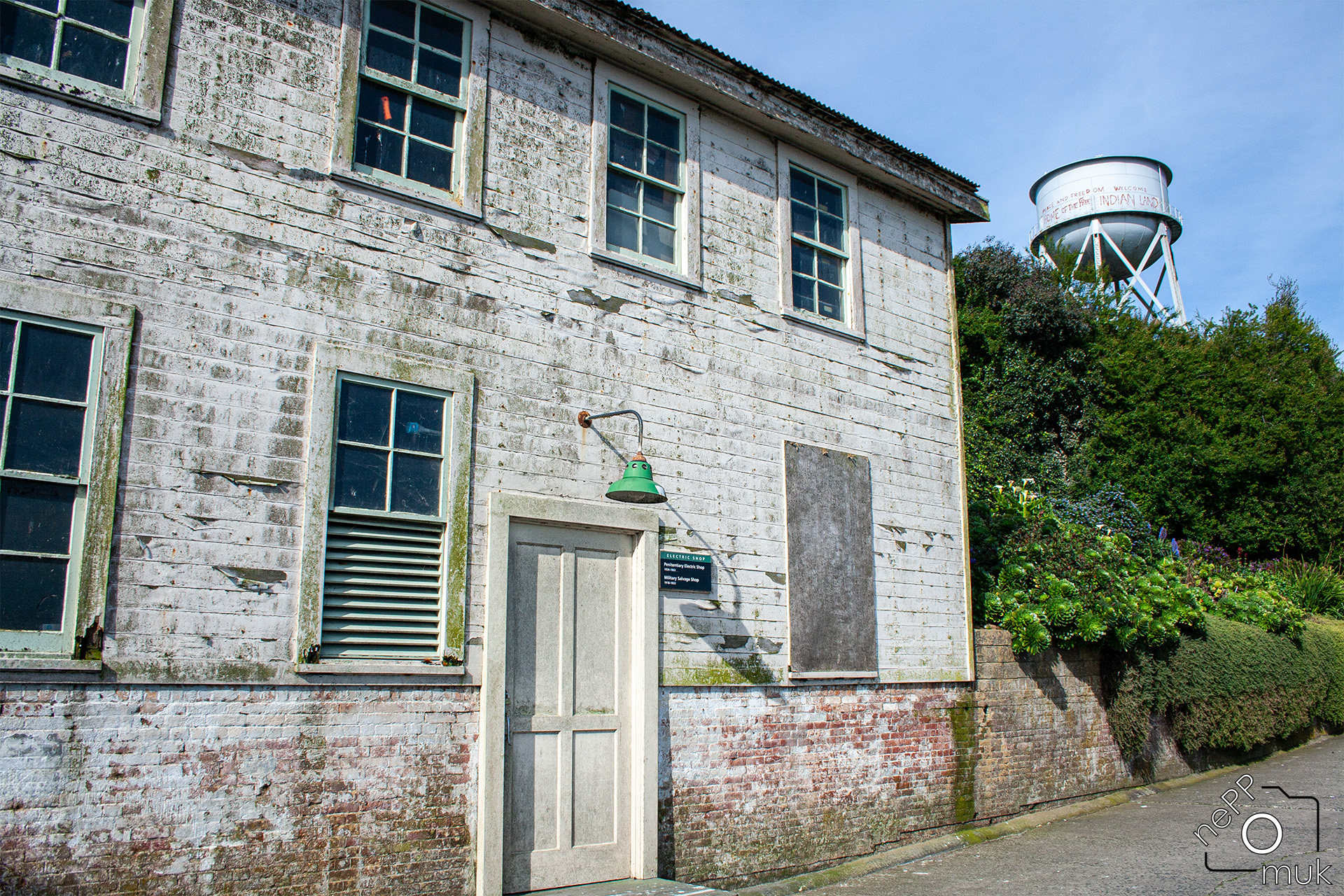
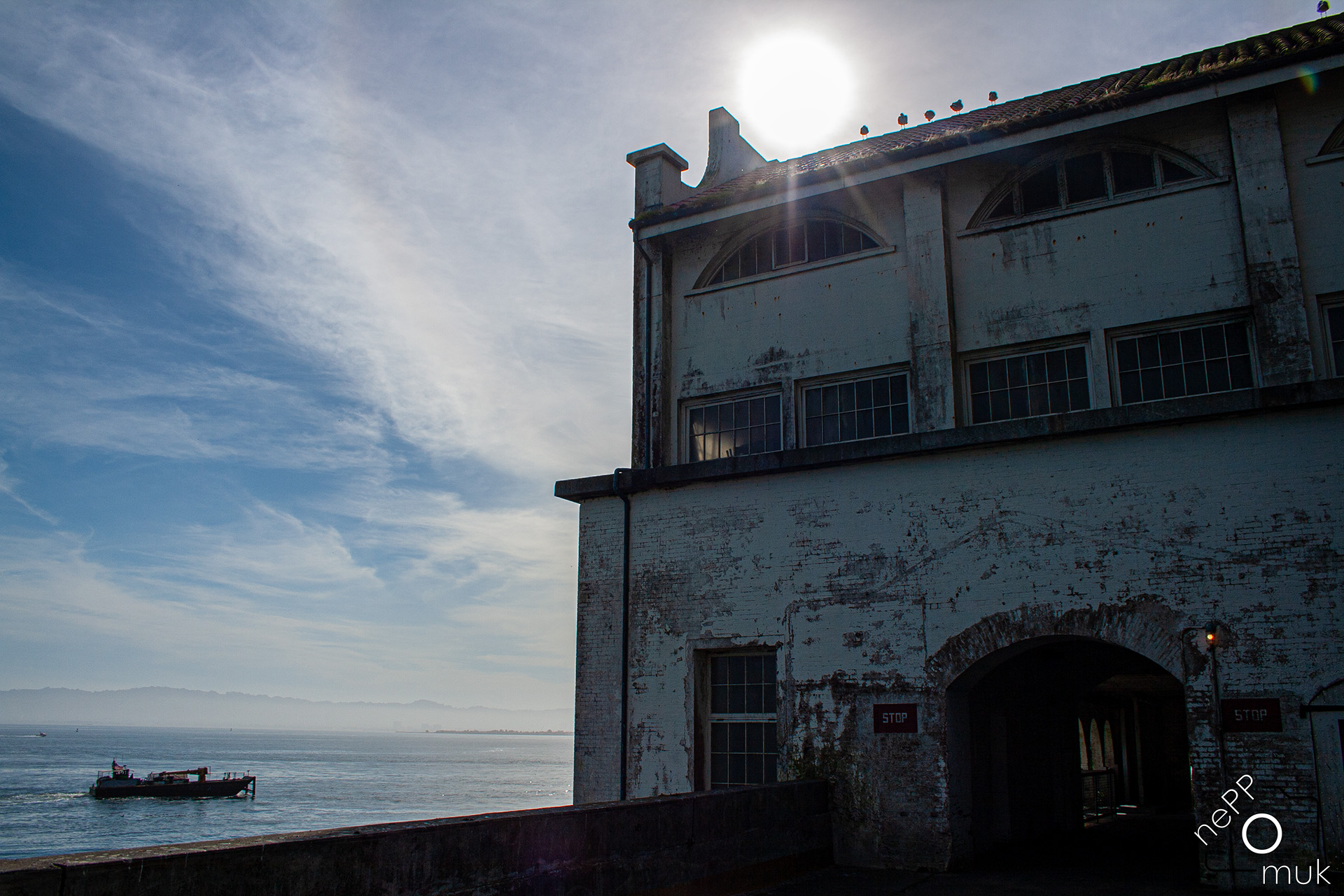
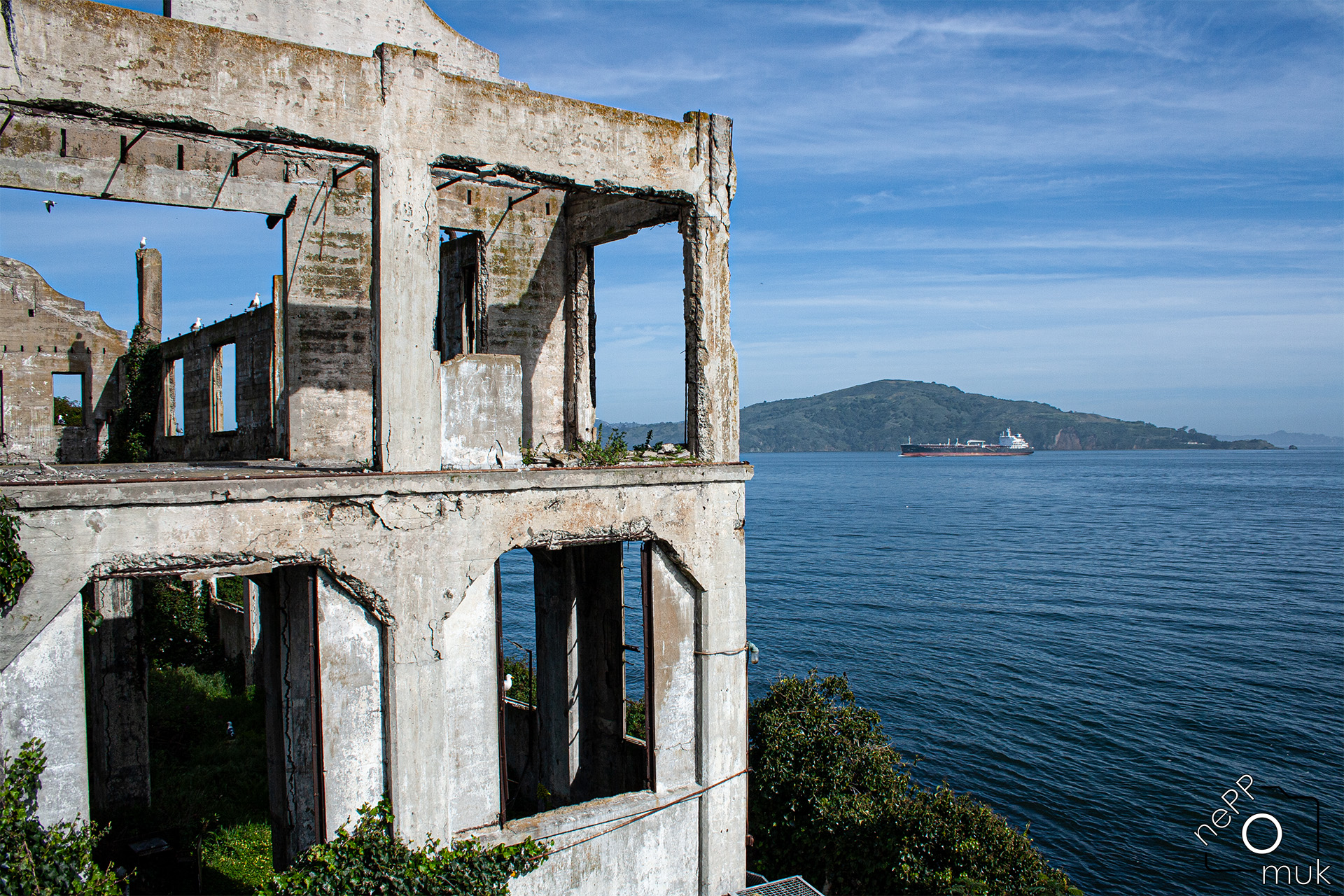
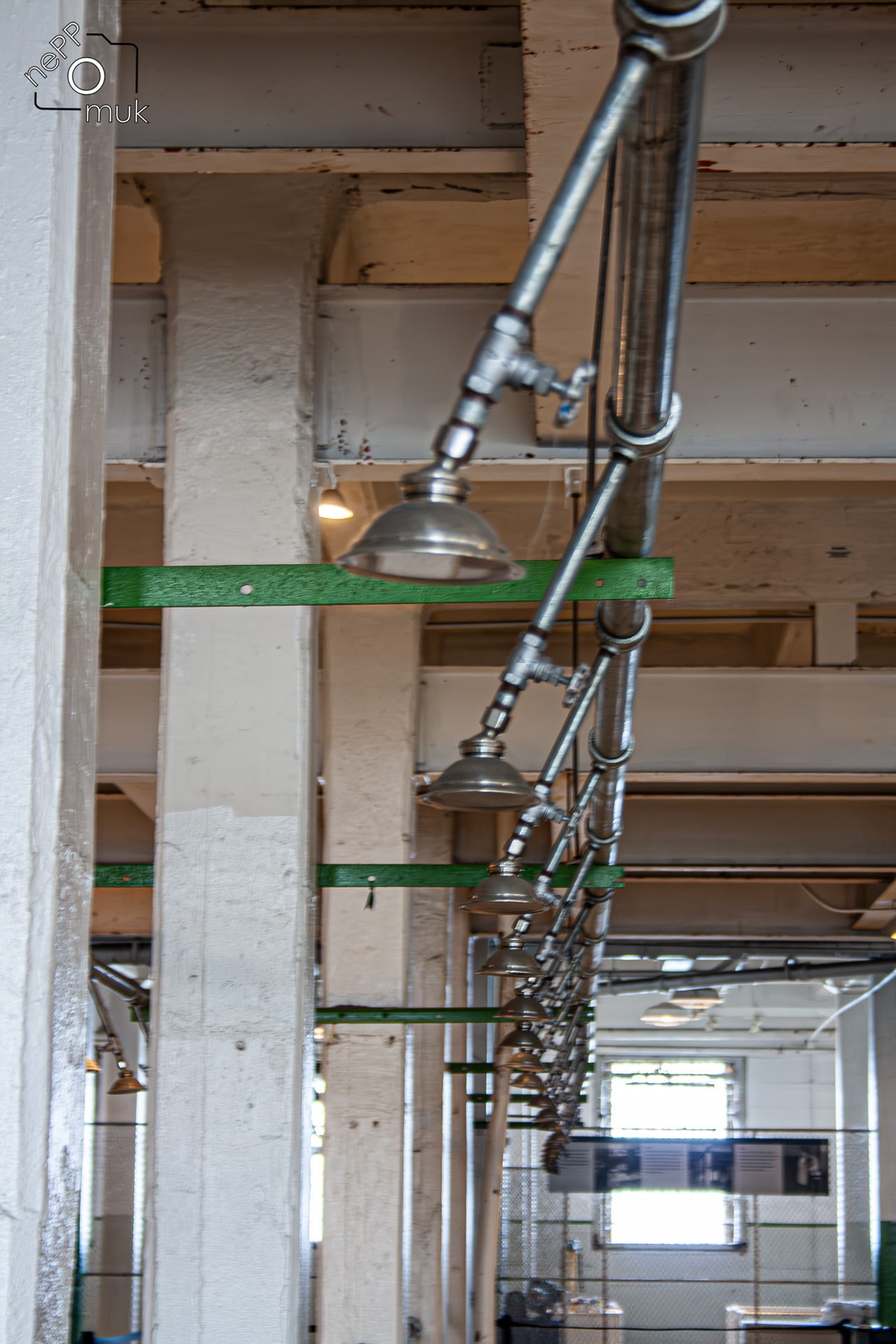
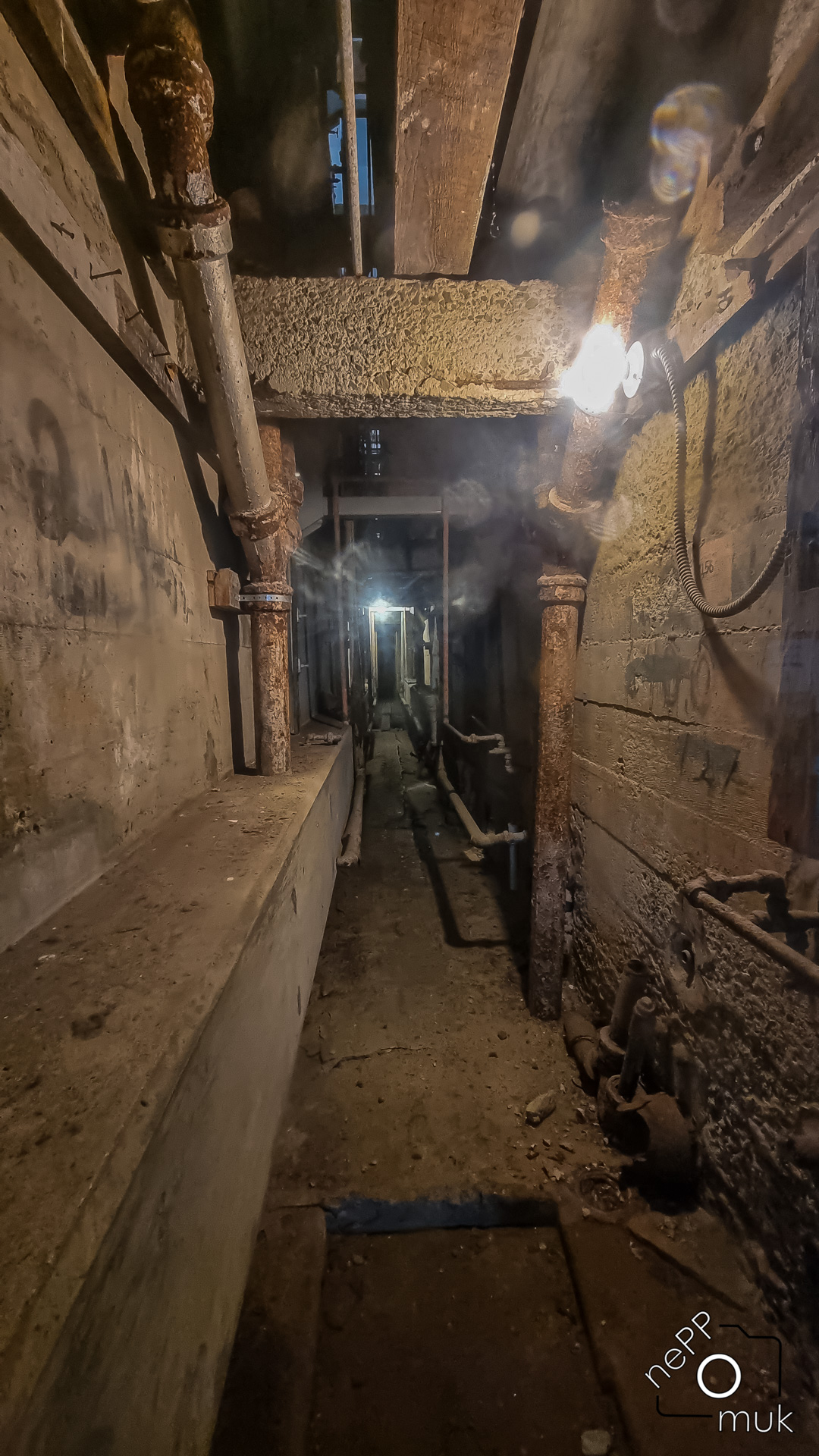
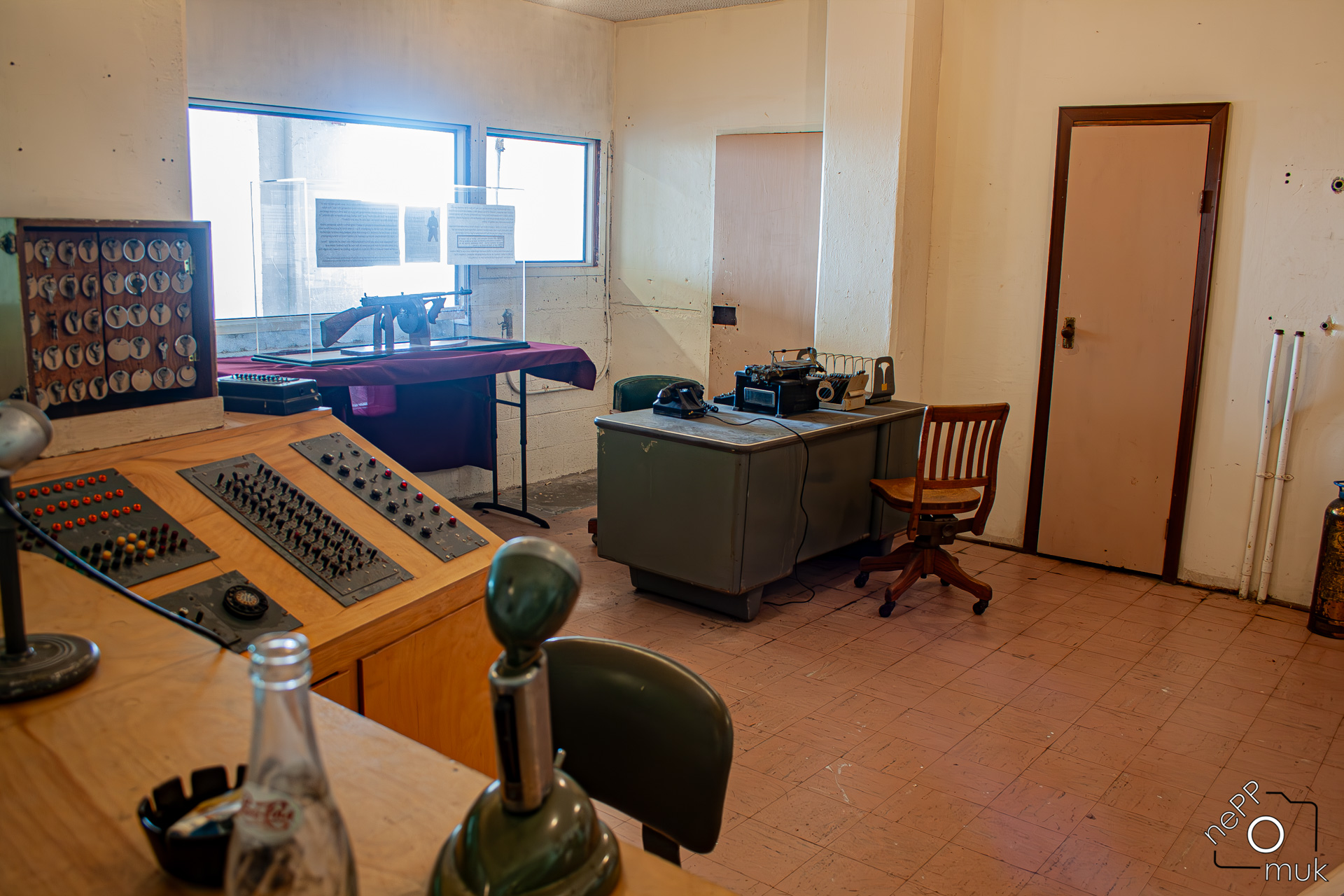
The infrastructure of Alcatraz Island is diverse and historically significant. The main buildings include the imposing prison, the military fortress, watchtowers, and administrative buildings. There are also residential buildings for staff, a power plant that supplied the island with electricity, as well as water desalination facilities. Many of these structures have now been restored and offer visitors a fascinating insight into the technical and logistical challenges of island life.
Read more
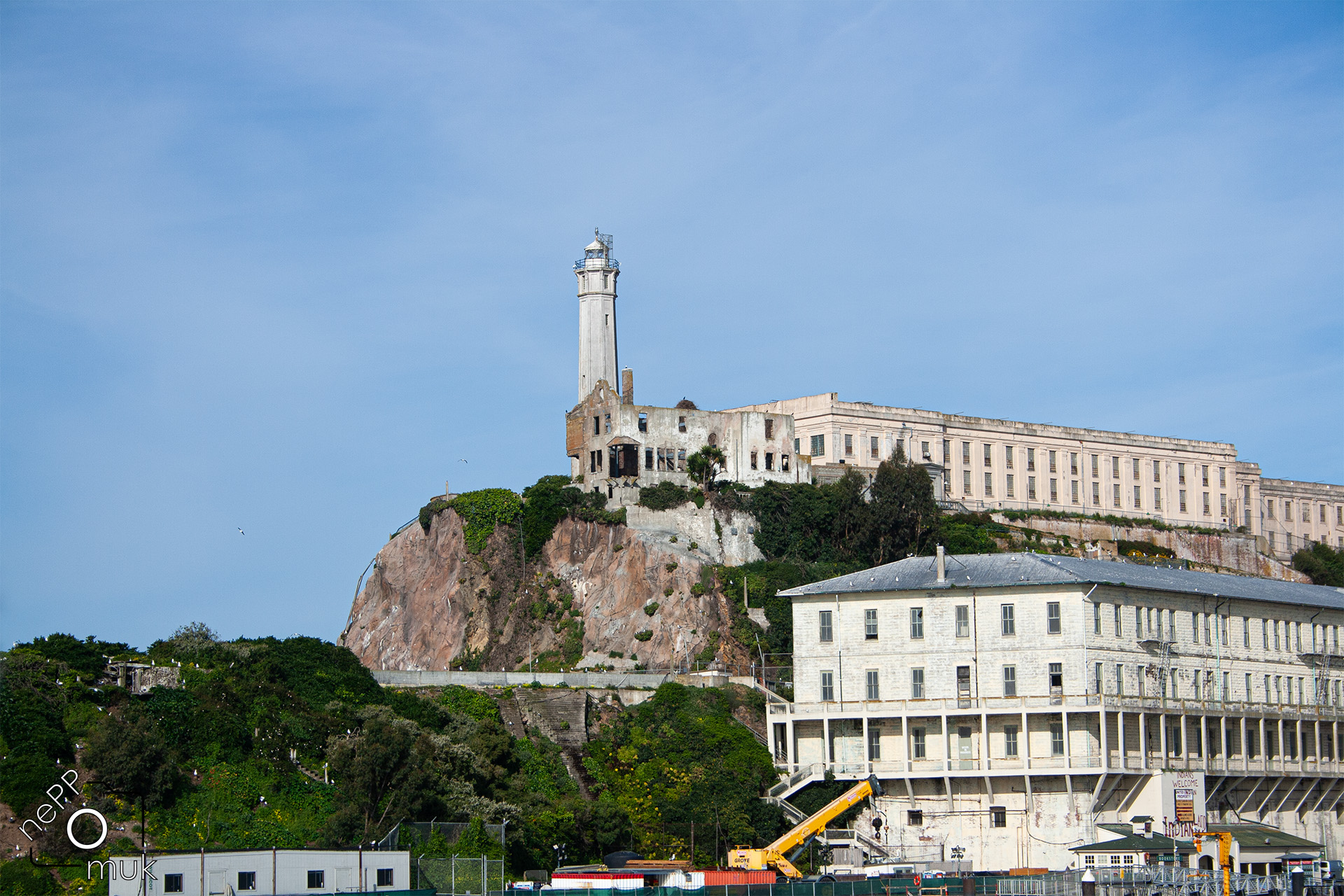
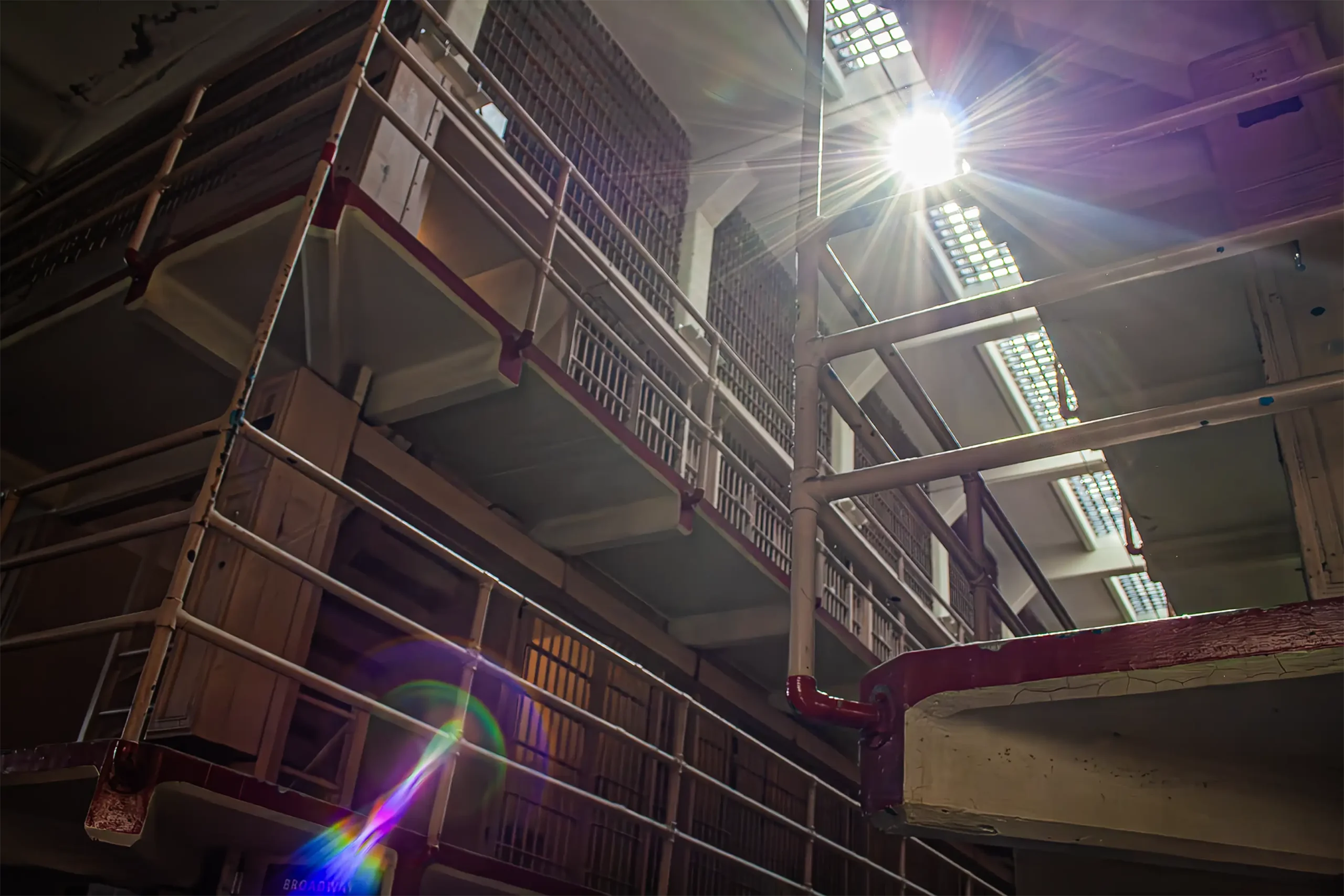
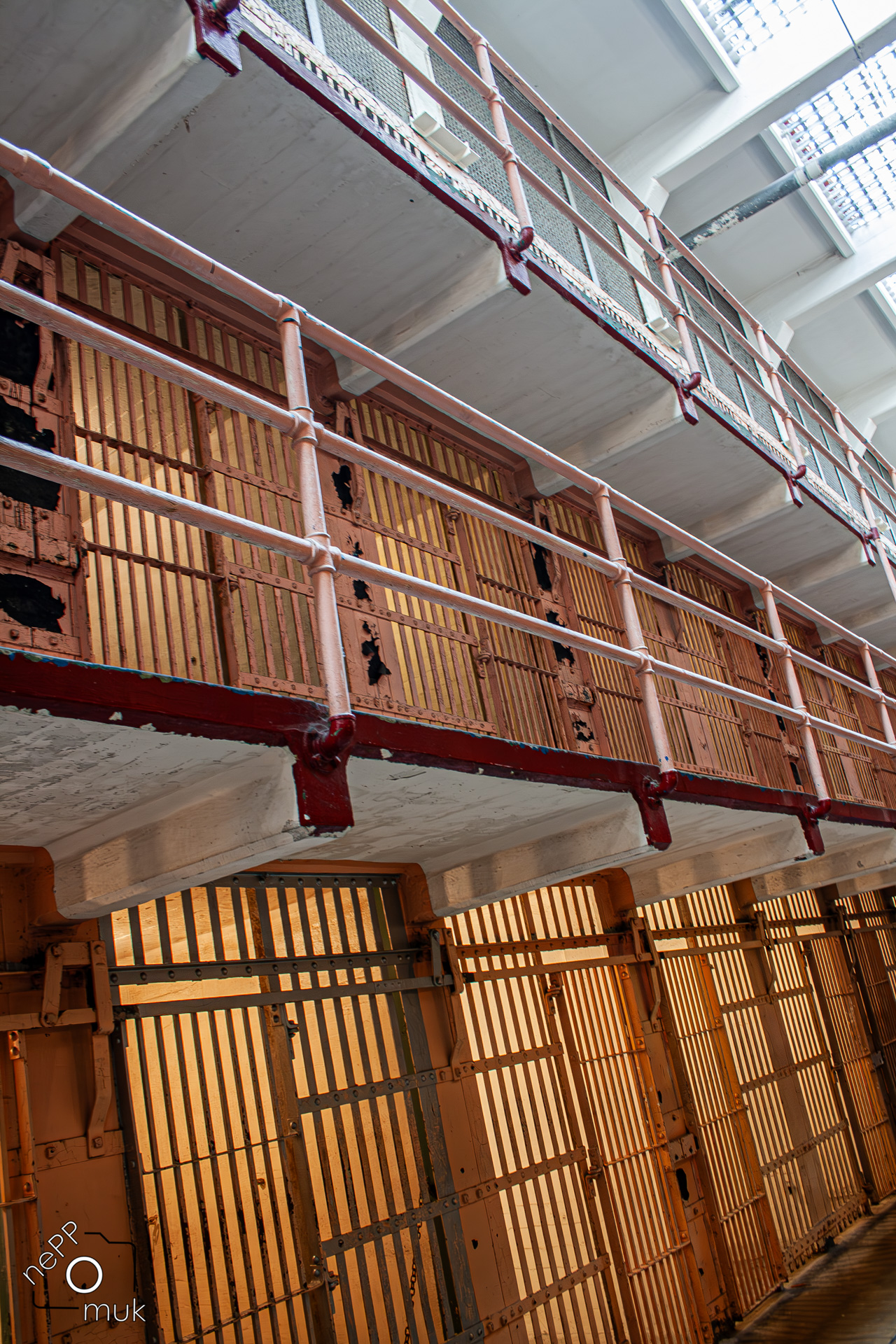
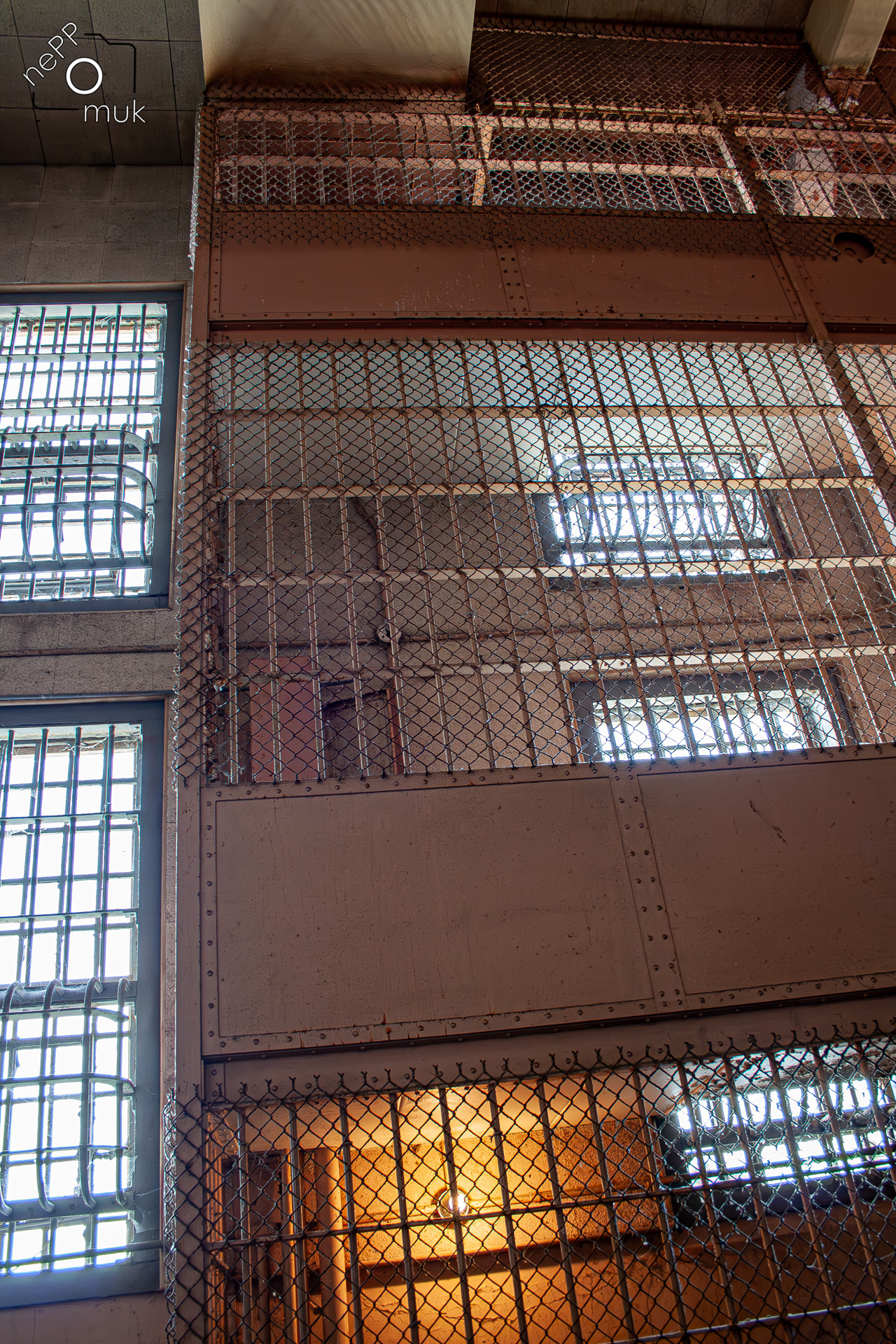
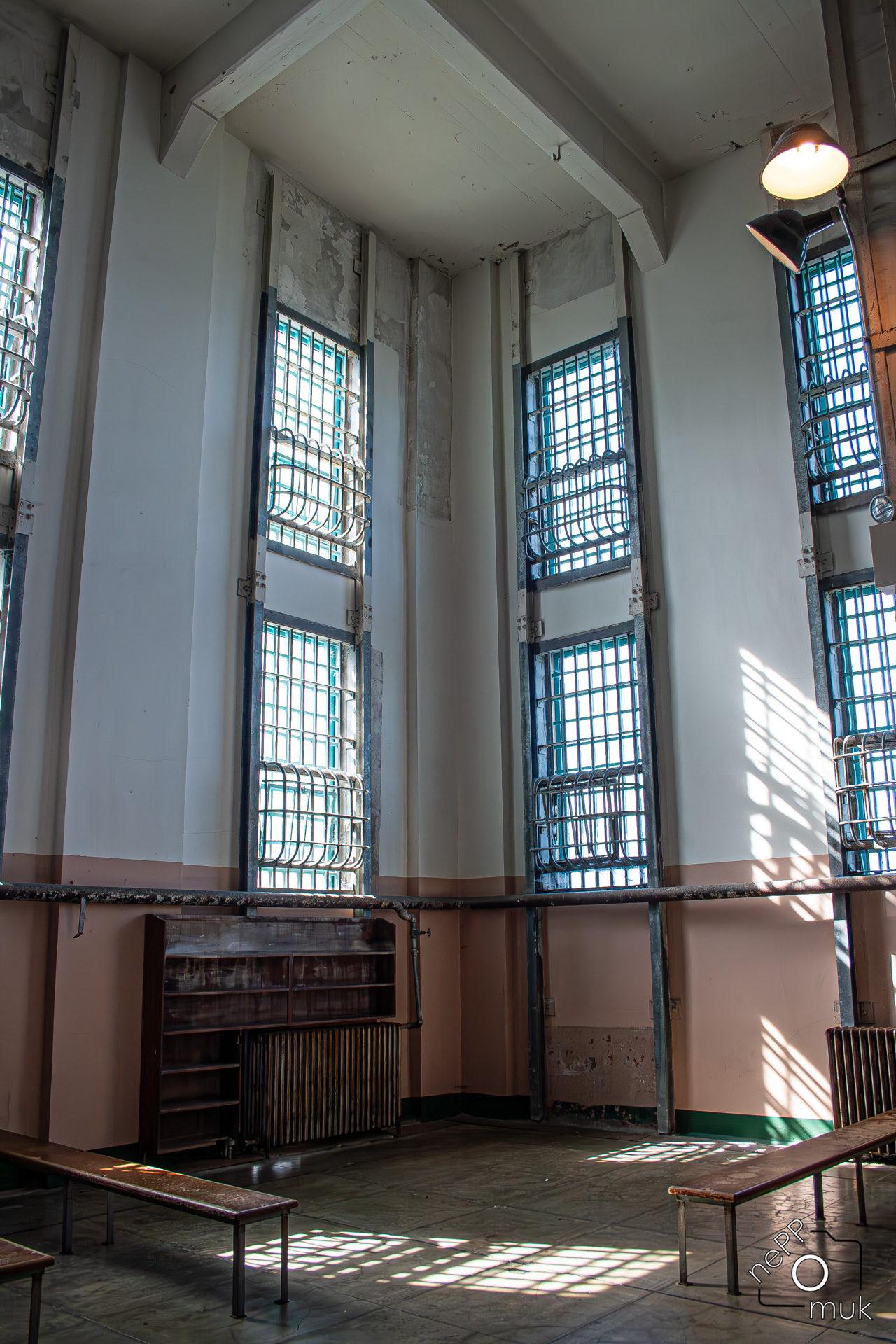
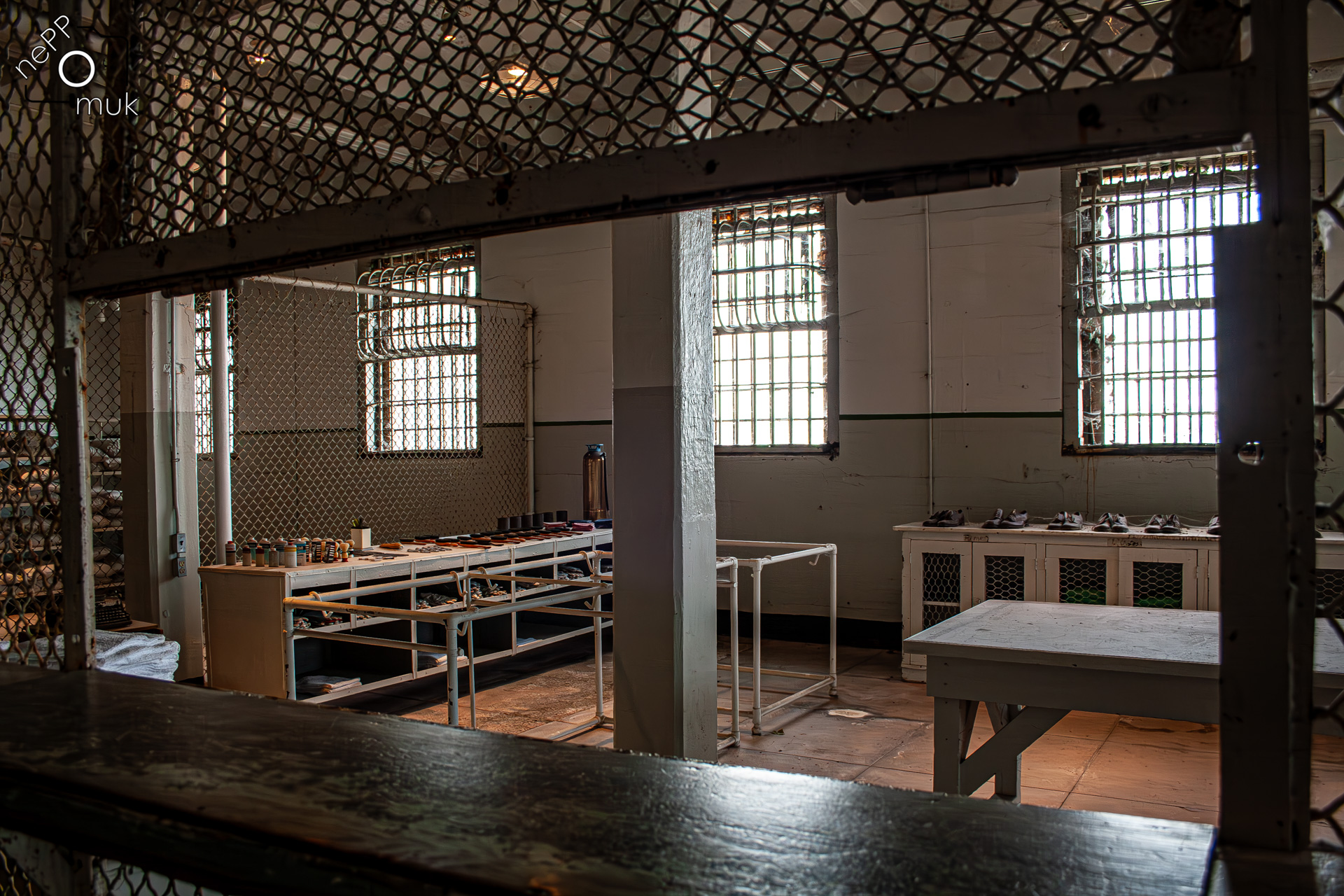
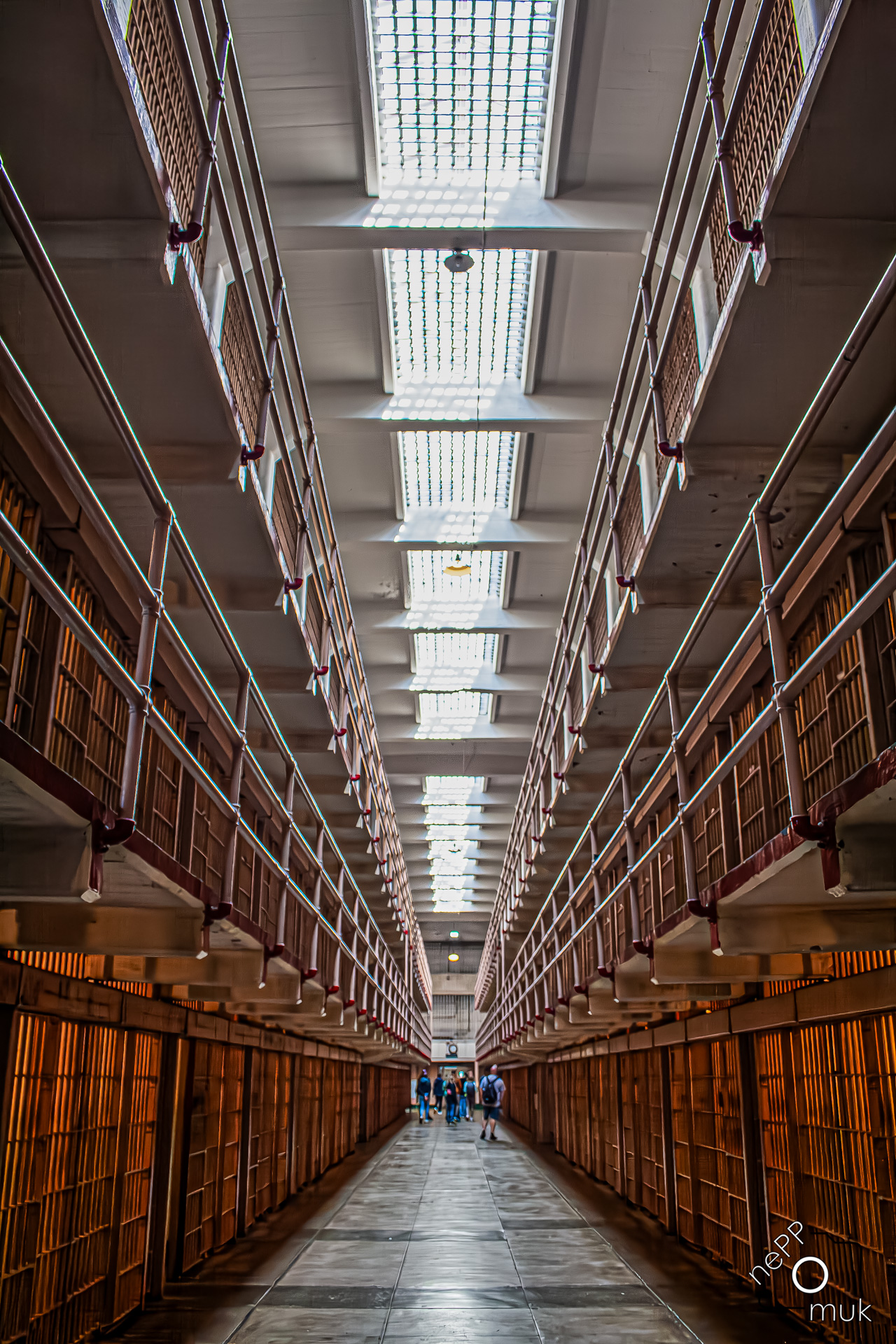
The prison building, known as “The Rock,” is the centerpiece of the island. It contains several cell blocks, including the famous D‑Block, where particularly dangerous inmates were held. The dining hall, which accommodated all prisoners, was strictly monitored to prevent disturbances. In the administrative offices, prison directors and other important officials worked to manage the prison. The medical department provided healthcare for the inmates.
The military fortress, built in the 19th century, includes cannon emplacements that once served to protect the bay, as well as warehouses in which ammunition and other supplies were stored. This fortress played an important role during the Civil War and later in defending the U.S. West Coast.
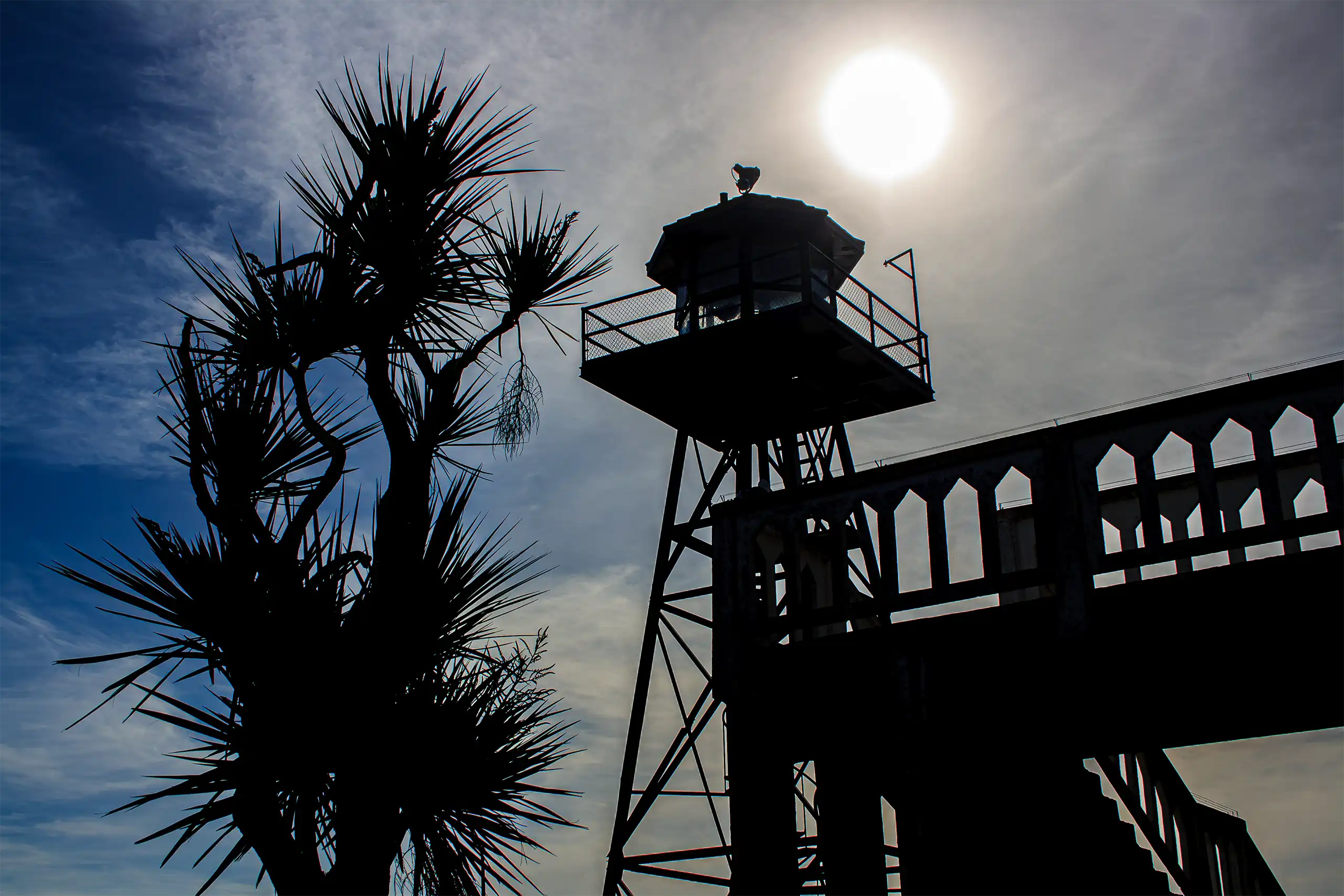
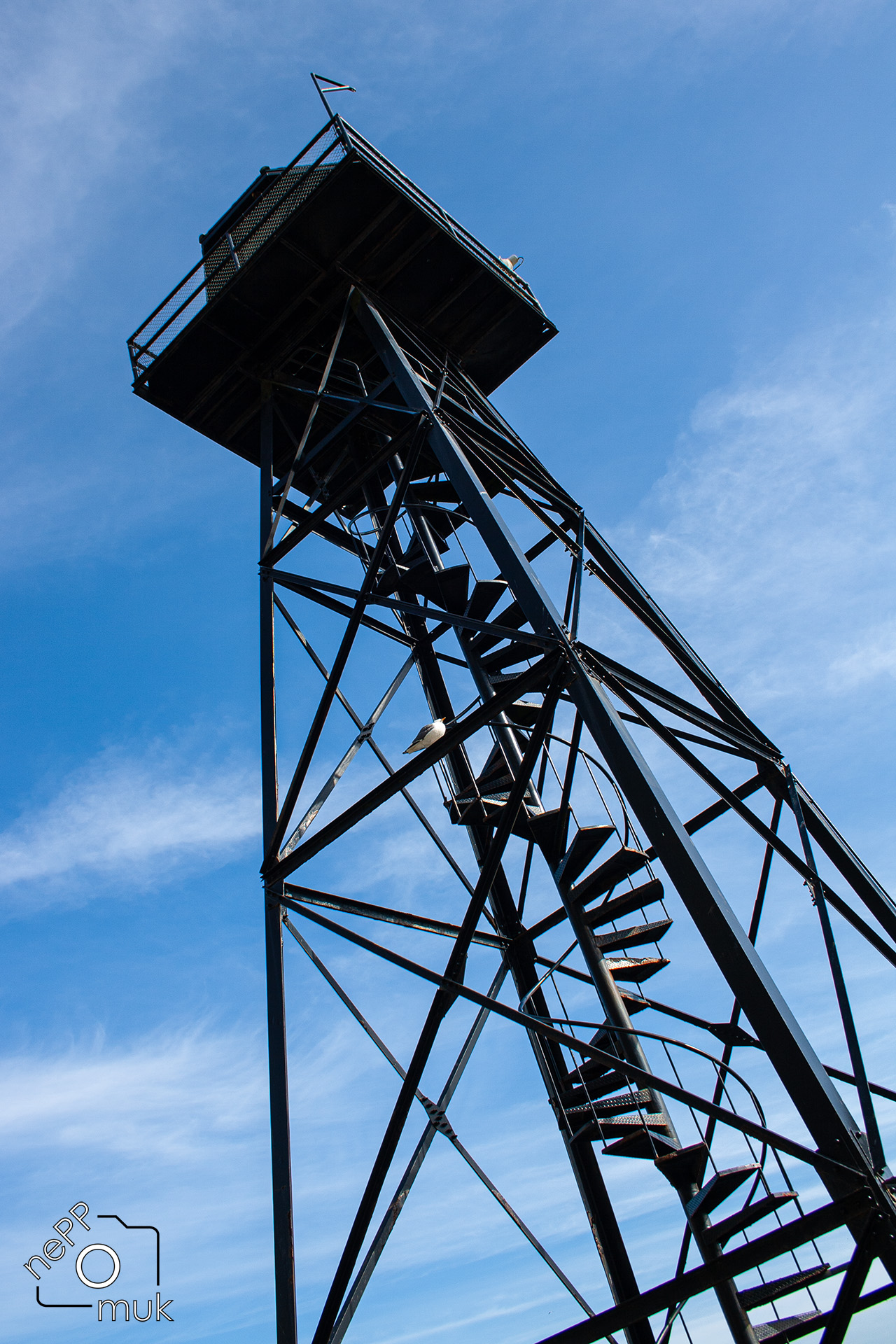
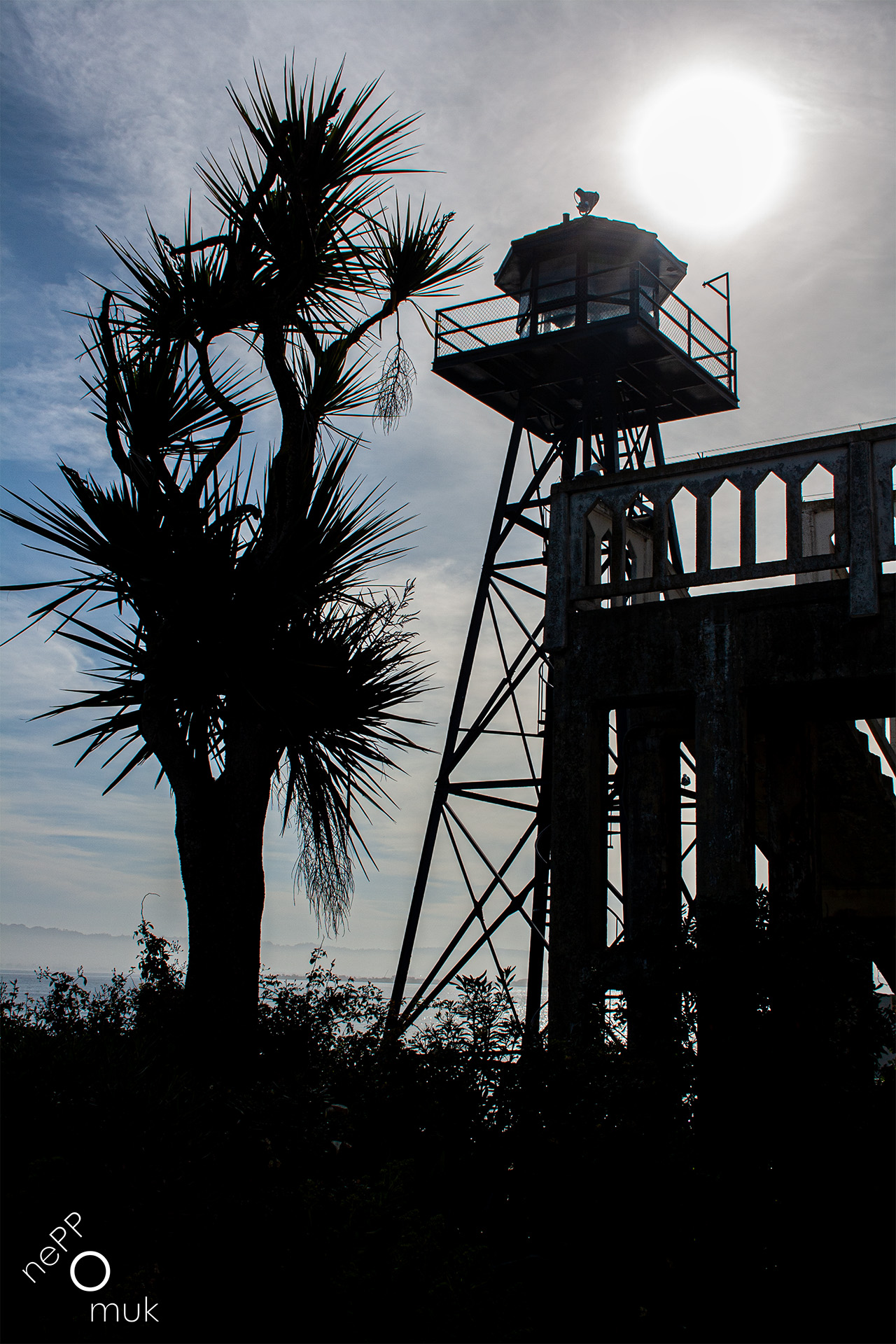
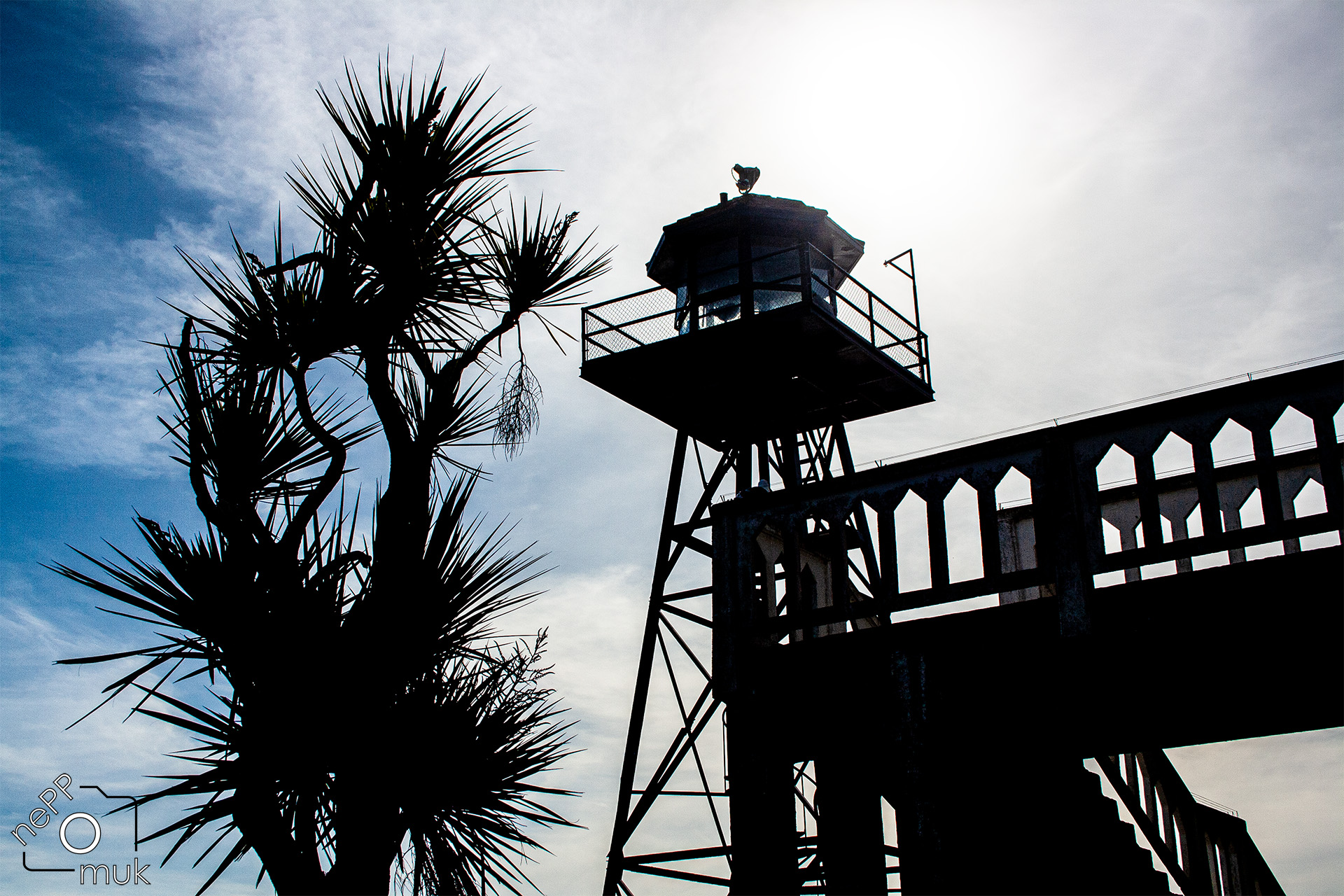
The watchtowers, strategically distributed across the island, gave the guards an excellent view over the entire surroundings and the waters of the bay. These towers were equipped with powerful searchlights that illuminated the area at night and were intended to prevent escape attempts.
The residential houses and communal buildings formed a small, self-contained community for the prison staff and their families. These buildings included comfortable apartments, a school for the staff’s children, and leisure facilities such as a sports field and a common room.
The power plant on the island was crucial to the energy supply and ensured that all electrical systems, including lighting and security devices, functioned reliably. The water desalination plant was a technical masterpiece that made it possible to produce drinking water from the surrounding seawater. This was especially important because the island has no natural freshwater source.
Together, these buildings and facilities form a fascinating network that shows how complex and self-sufficient life on Alcatraz Island was. Today, visitors can experience and understand the island’s history and technological development up close through guided tours and informative exhibitions, and see what challenges and innovations shaped life and work on Alcatraz.
Alcatraz Island offers fascinating insights into history and technology. A visit is worthwhile for history enthusiasts and technology fans alike. Guided tours and informative exhibitions are especially recommended.

Inside “The Rock”
Inside “The Rock”
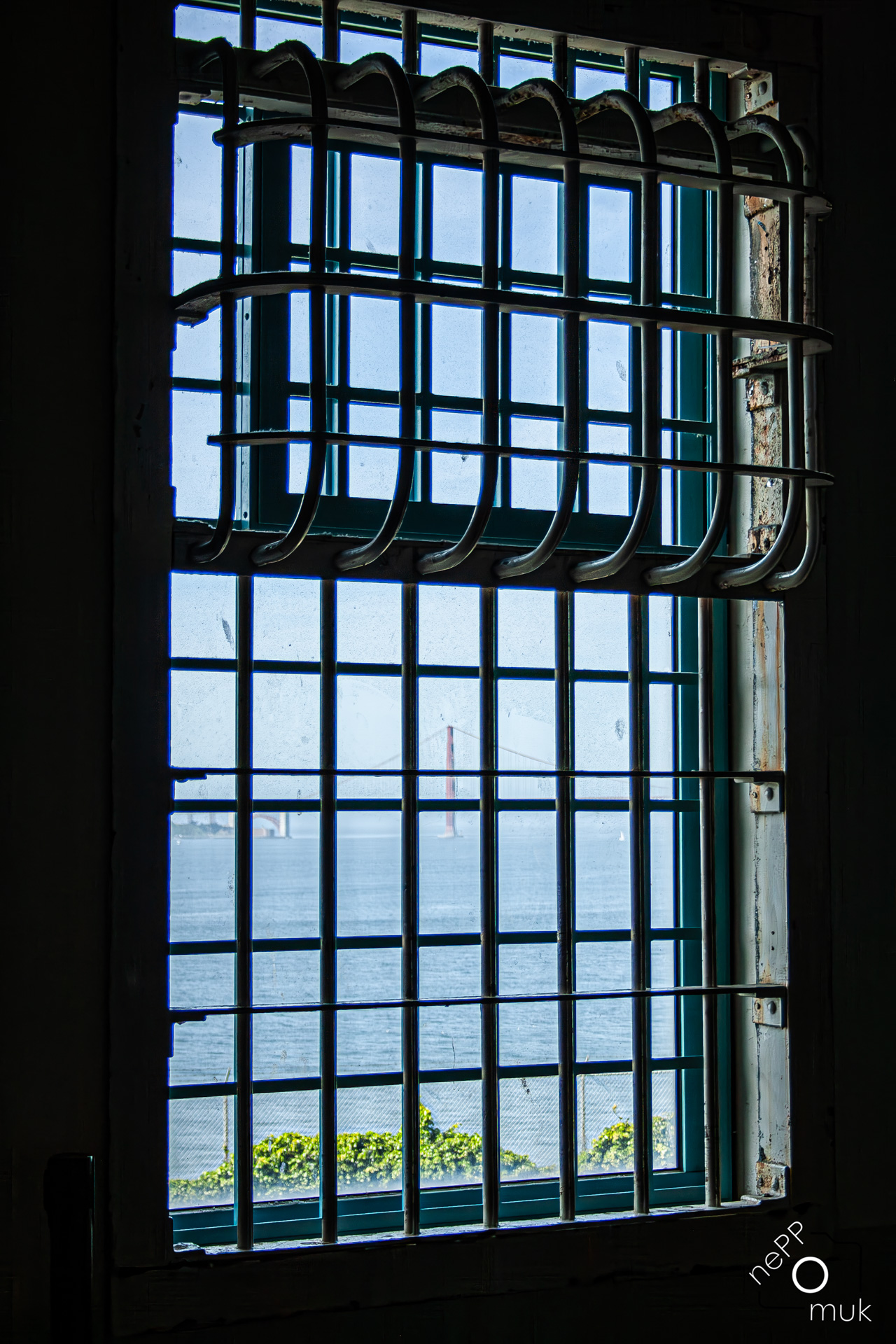
The prison on Alcatraz Island, active from 1934 to 1963, housed some of America’s most notorious criminals, including Al Capone, George “Machine Gun” Kelly, and “Birdman” Robert Stroud. Surrounded by the icy waters of San Francisco Bay, the island was considered escape-proof and was seen as the final stop for incorrigible inmates.
Read more
The conditions of confinement at Alcatraz were extremely harsh. Inmates were isolated and subject to rigid discipline. The cells were small and spartan, and prisoners spent most of their day in solitary confinement. Nevertheless, the harsh conditions did not always lead to obedience. Some inmates tried to escape the prison, including the famous 1962 escape attempt in which three prisoners fled in a homemade raft made from improvised life vests. Despite their daring efforts, they were never seen again, and their fate remains a mystery to this day.
Alcatraz became known not only for its infamous inmates, but also for its strict administration. The guards were considered extremely tough and relentless, which led to a strict regime feared by the inmates. The island was often referred to as “The Rock,” reflecting its inhospitable nature and its reputation as an impregnable fortress.
Despite the harsh conditions and strict regime, Alcatraz continued to attract public attention. Films and books about the prison contributed to its legend, and the history of Alcatraz became an integral part of American culture.
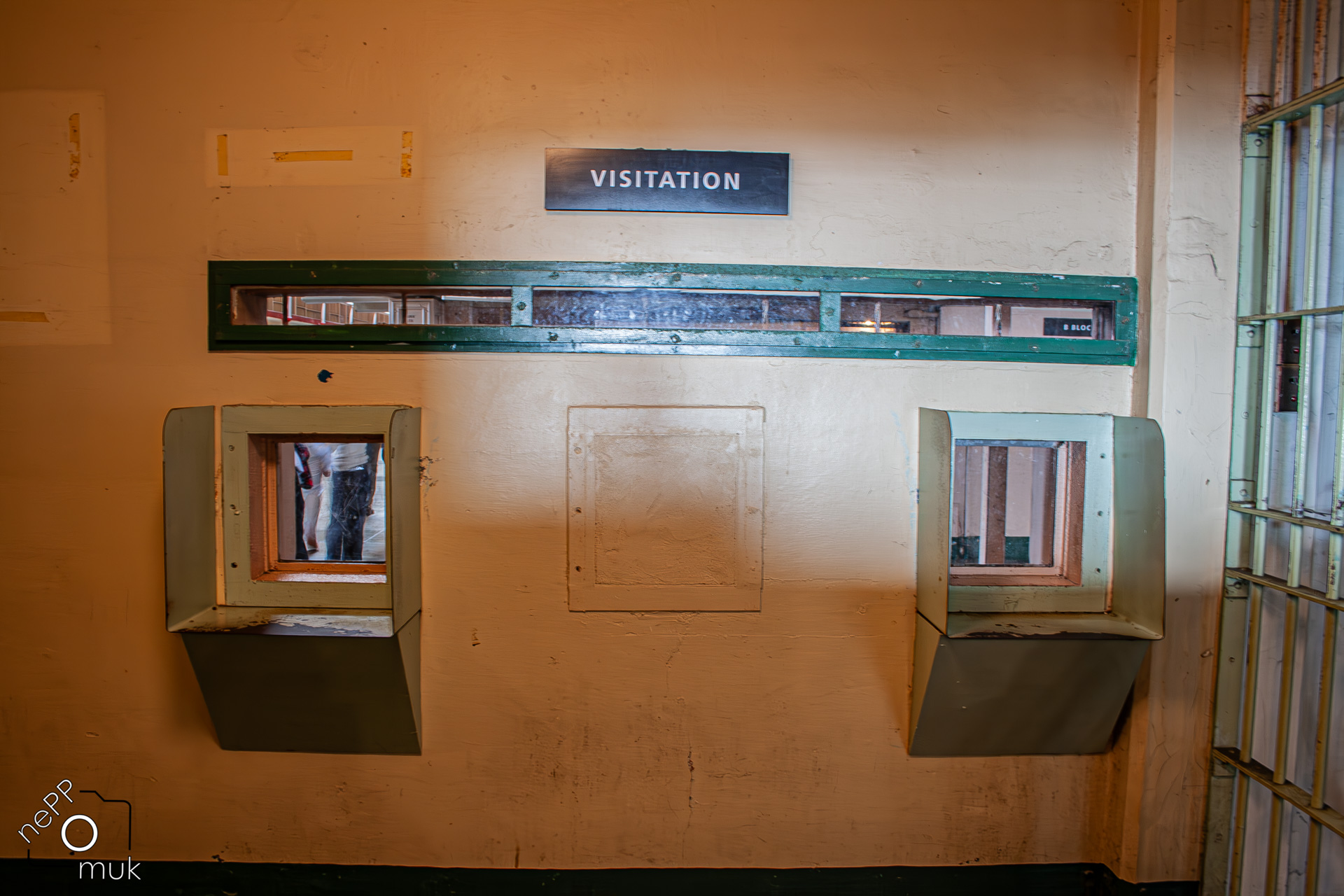
Today, Alcatraz is a museum and tourist attraction. Visitors can explore the cells, the dining hall, and other parts of the prison and gain insight into the harsh lives of the inmates. However, the island remains not only a place of entertainment, but also a symbol of discipline, perseverance, and the struggle against the inevitable.
From 1934 to 1963, Alcatraz was a strict prison that housed some of the most dangerous criminals in the USA. Its significance for the U.S. penal system lies in its reputation as an impregnable fortress and its legacy as a symbol of discipline.




Alcatraz Bird Life
Alcatraz Bird Life
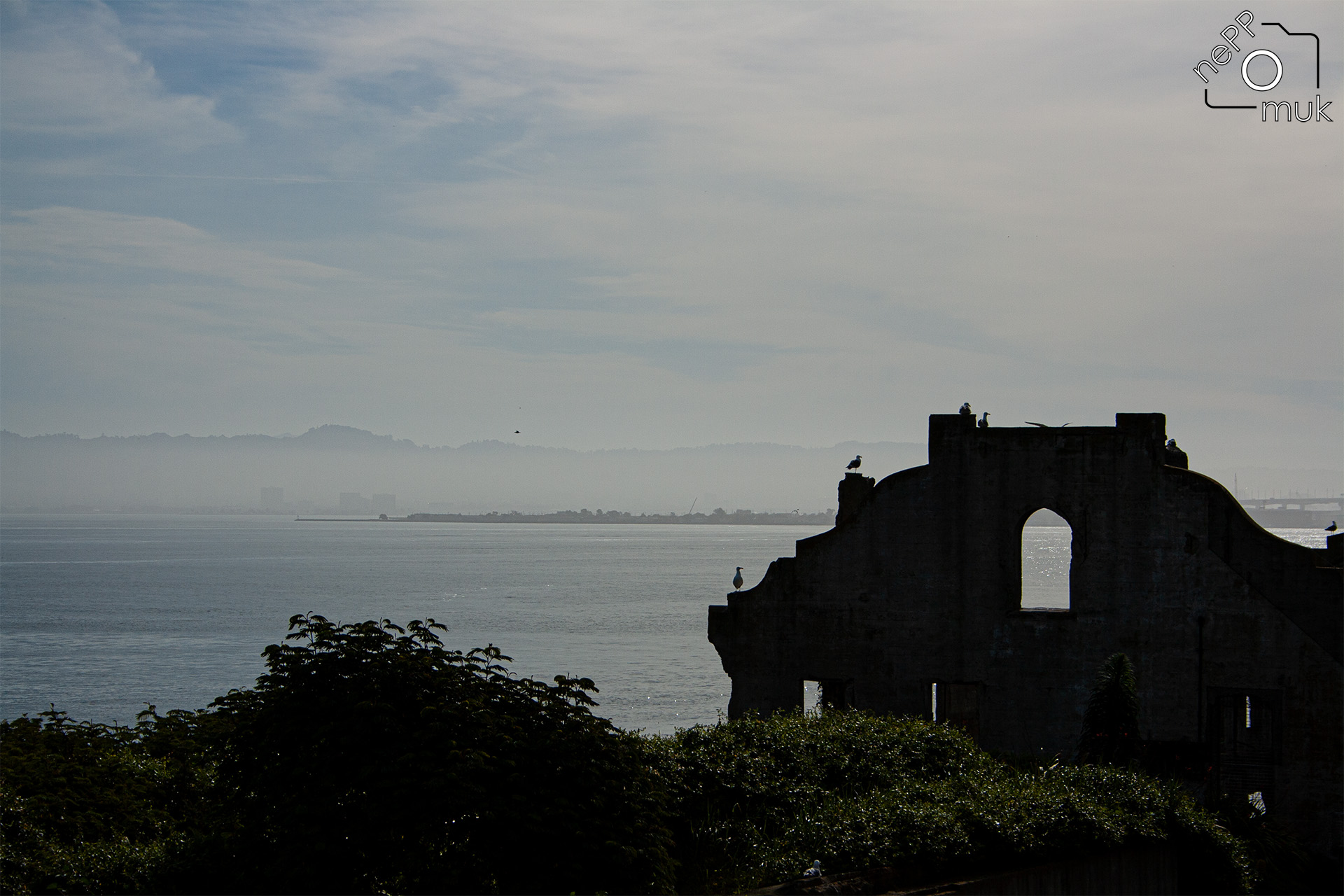
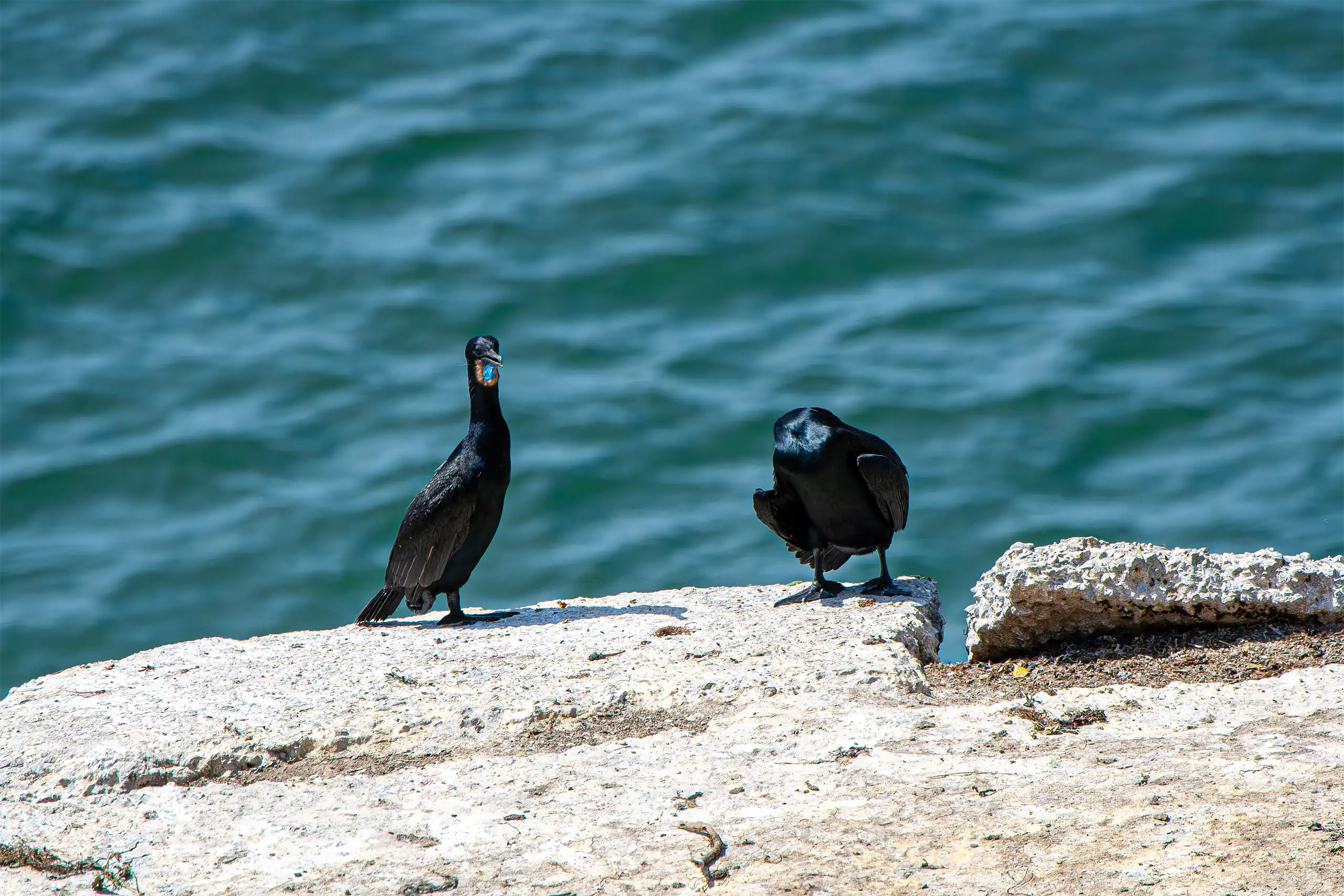
Alcatraz Island plays an important role for the bird population in the Bay Area. Since its inclusion in the U.S. National Park program, the island has provided protected breeding grounds for various bird species such as cormorants, gulls, and night herons. These undisturbed habitats contribute significantly to the preservation and observation of the regional birdlife.
Alcatraz Island plays an important role for the bird population in the Bay Area. Since its inclusion in the U.S. National Park program, the island has provided protected breeding grounds for various bird species such as cormorants, gulls, and night herons. These undisturbed habitats contribute significantly to the preservation and observation of the regional birdlife.
Read more
One of the most important conservation measures on Alcatraz Island is the creation and preservation of breeding and nesting sites. This includes limiting human access to certain parts of the island during breeding seasons to protect the birds from disturbance. Specially designated protected zones ensure that the birds can nest and raise their young in a safe environment.
Bird species especially supported on Alcatraz Island include the Brandt’s cormorant, the Western gull, and the black-crowned night heron. Brandt’s cormorant nests in large colonies and prefers the island’s rocky cliffs, which provide ideal nesting sites. These colonies are particularly impressive to observe, as they can consist of hundreds of birds.
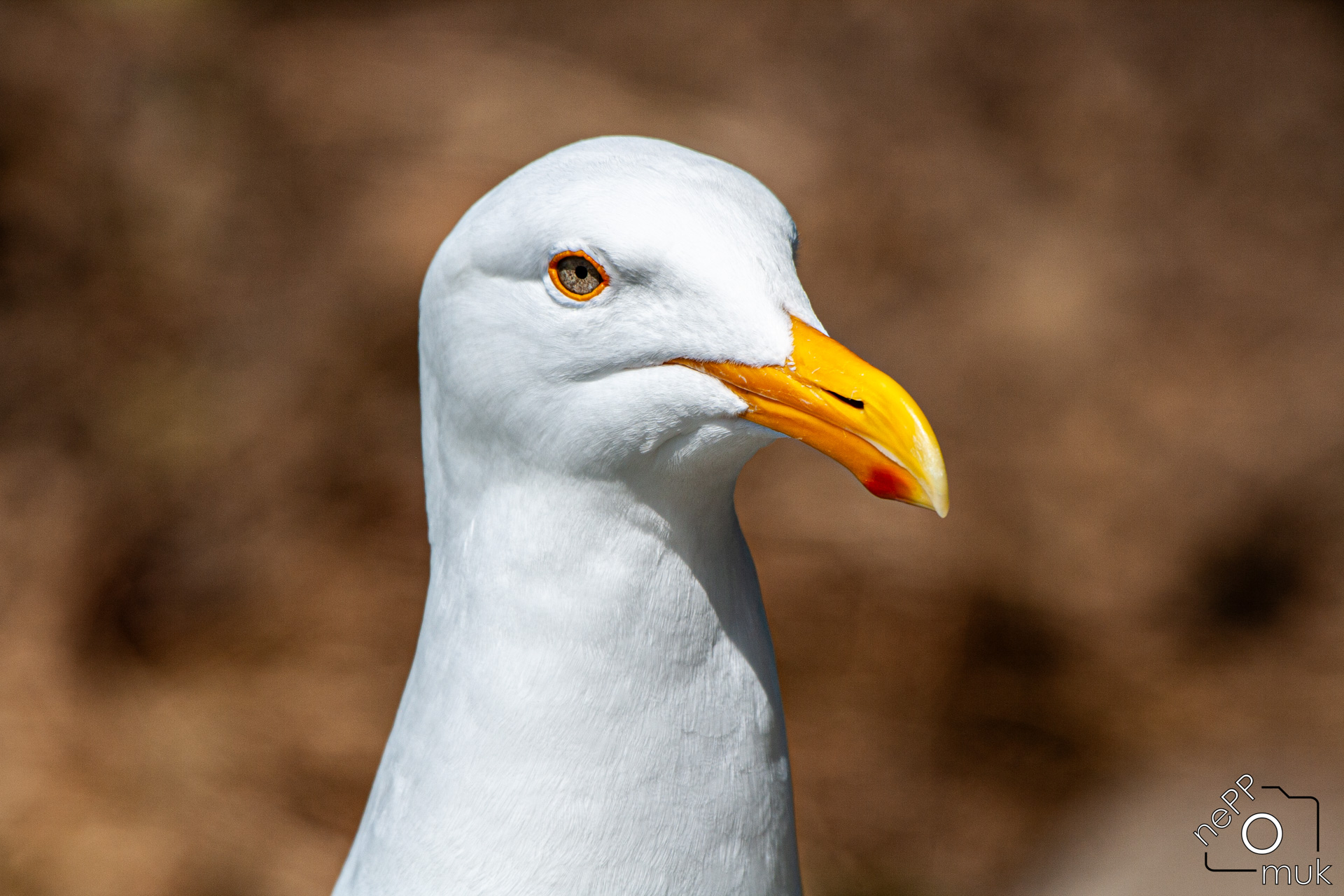
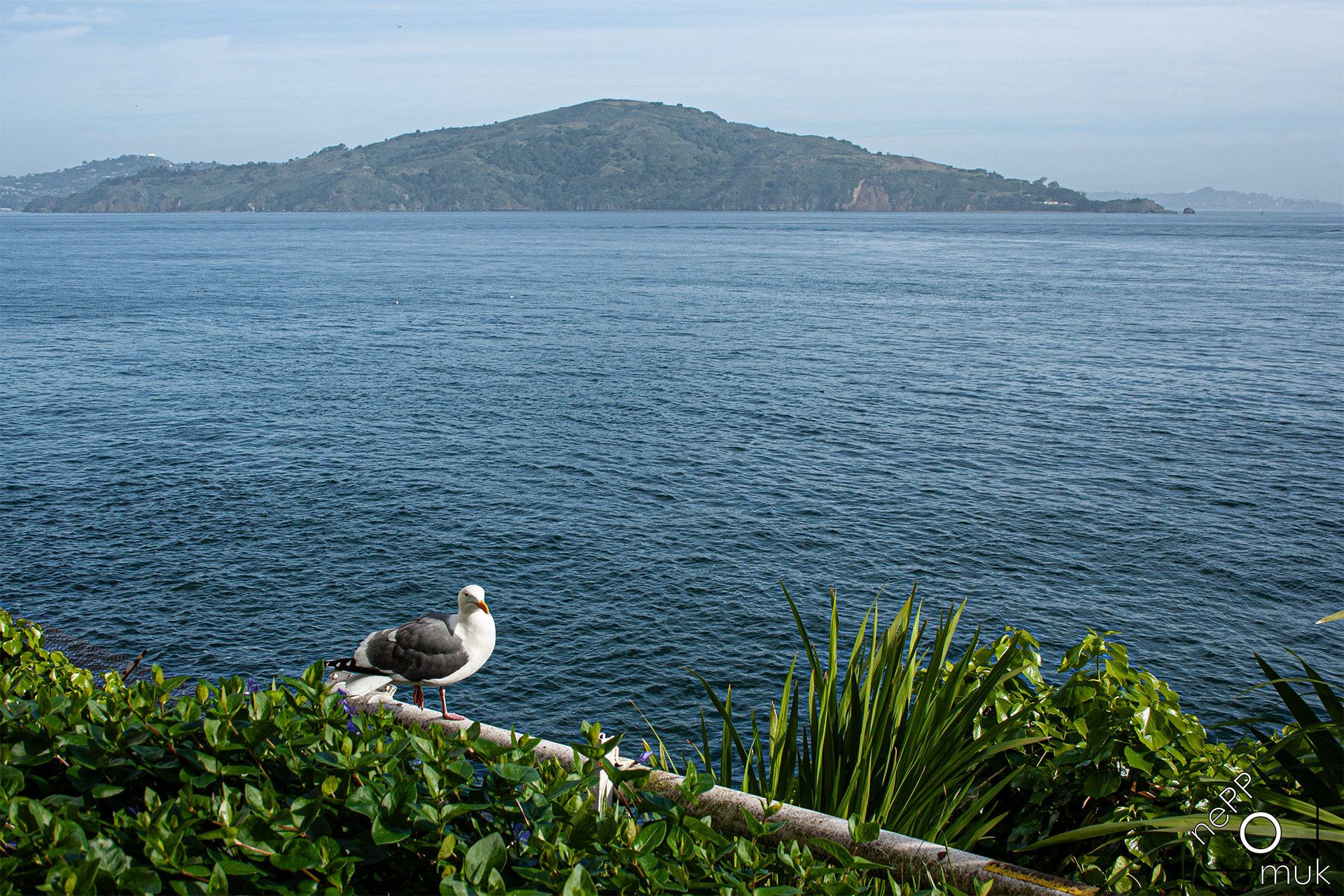
The Western gull is one of the most common bird species on the island. It nests in the grassy areas and open spaces protected by the National Park program. Its loud calls and sociable behavior are characteristic of the island. Gulls also play an important role in the ecosystem, as they help remove waste and keep the environment clean.
The black-crowned night heron, a rather shy bird species, finds ideal conditions on Alcatraz Island. These birds nest in denser vegetation areas and are especially active in the early morning and evening hours. Their presence on the island shows how diverse the birdlife there is and how important conservation measures are to preserve such species.
In addition to these protective measures, extensive research is also carried out on Alcatraz Island. Ornithologists and conservation experts monitor the bird populations and collect data on breeding behavior, nesting sites, and population dynamics. This research is crucial for assessing the effectiveness of the conservation measures and adapting them if necessary.
Visitors to the island have numerous opportunities to learn more about the birdlife and conservation measures. Guided tours and information boards provide insights into the different bird species and the efforts to protect them. Special bird tours, led by experts and offering deeper insights into the birds’ habits and protection, are particularly recommended.
Alcatraz Island is not only a historical and cultural landmark, but also an important sanctuary for the birdlife of the Bay Area. The combination of conservation measures and educational offerings makes the island a unique destination for nature and wildlife lovers.
Alcatraz Island is an important protected area that provides breeding grounds for bird species such as Brandt’s cormorants and Western gulls and supports the regional bird population through targeted conservation measures.